Bangladesh Inflation Falls to 10-Month Low of 8.26% in August 2026
Overall inflation eased to 8.26% in August from 8.32% in July, driven by lower food inflation. However, wage growth at 8.05% continues to lag, squeezing household real incomes for the 53rd consecutive month.
📊 Dhaka, Bangladesh — Bangladesh’s overall inflation eased slightly to 8.26 per cent in August 2026, down from 8.32 per cent in July — reaching a 10-month low, according to the latest data released by the Bangladesh Bureau of Statistics (BBS).
📊 The inflation rate declined by 0.06 percentage point month-on-month while it stood at 8.29 per cent in August 2025. However, despite the decline, falling inflation offers little relief for households as wage growth has slowed further, lowering real incomes.
🍚 Food Inflation Falls, Non-Food Inflation Rises
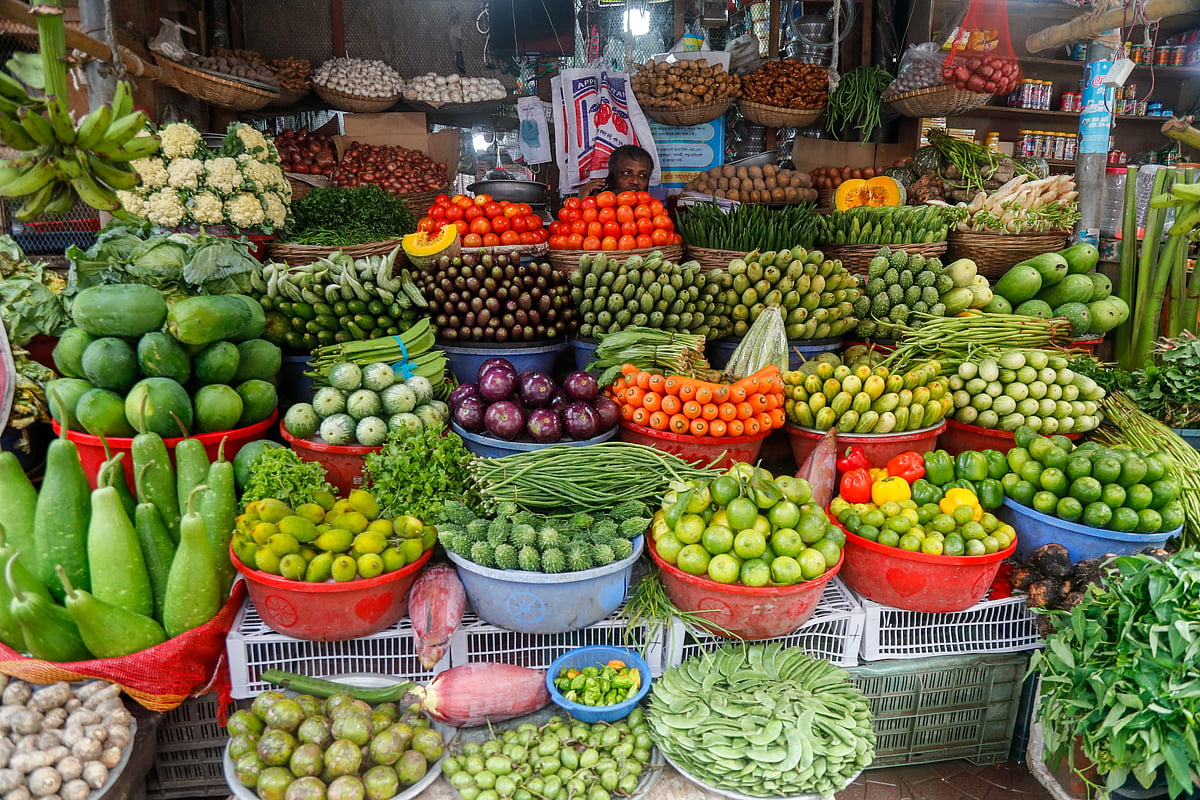
📊 The decline was mainly driven by lower food inflation, which fell to 7.02 per cent in August from 7.16 per cent in July and 7.60 per cent a year earlier. However, non-food inflation increased to 9.32 per cent in August from 9.28 per cent in July and 8.90 per cent in August 2025.
📊 According to the BBS data, the inflation breakdown by area:
- 🌾 Rural overall inflation: 8.31% (down from 8.36% in July)
- 🌾 Rural food inflation: 7.01%
- 🌾 Rural non-food inflation: 9.59%
- 🏙 Urban overall inflation: 8.20% (down from 8.24% in July)
- 🏙 Urban food inflation: 7.04%
- 🏙 Urban non-food inflation: 8.97%
💰 Wage Growth Lags Inflation for 53rd Consecutive Month
⚠ Meanwhile, the national wage growth rate also moderated slightly in August. The point-to-point growth in the national wage rate index stood at 8.05 per cent, compared with 8.22 per cent in July and 8.15 per cent in August last year. Wage growth hit its lowest point in seven months.
📊 Data reveals wage growth has now trailed inflation for four and a half consecutive years (53 months). In January 2022, wage growth stood at 5.92 per cent, briefly outpacing overall inflation of 5.86 per cent. But from February 2022 onward, spending began outrunning earnings and never looked back.
📊 A point-to-point inflation rate of 8.26 per cent in August implies that a basket of essential goods and services costing Tk 100 last year now costs Tk 108.26. By contrast, the 8.05 per cent national wage growth rate means someone who earned Tk 100 last year now earns Tk 108.05 this year — a 21-paisa shortfall for every Tk 100 earned.
📊 Sector-wise wage growth in August 2026:
- 🌾 Agriculture: 8.07%
- 🏭 Industry: 7.97%
- 💼 Services sector: 8.25% (highest among three major sectors)
💬 Household Impact: Real Income Erosion
💬 This prolonged mismatch has steadily eroded the “real income” or purchasing power of the public, particularly low-income and limited-income groups.
📊 The implications for Bangladeshi households are stark:
- 💰 Cost of living climbing faster than incomes for 53 months
- 👥 Forced spending cuts — households trimming non-essential expenditure
- 💲 Savings erosion — dipping into savings to maintain consumption
- 👥 Low-income squeeze — hardest hit are daily wage earners and fixed-income groups
- 🌾 Rural stress — rural non-food inflation at 9.59% hits farmer purchasing power
🌏 Strategic Context: Bangladesh Monetary Policy Challenge
📊 For Bangladesh Bank, the August inflation data presents a mixed picture:
- ✅ Headline inflation moderating — 10-month low signals monetary tightening is having some effect
- ⚠ Non-food inflation rising — 9.32% suggests services sector price pressure continues
- ⚠ Food inflation low but not enough — 7.02% still above comfort zone
- ⚠ Wage growth deceleration — could further suppress demand and economic activity
- 📊 Real income erosion — 53 months of lag is unprecedented in recent history
🤝 For policymakers, the data underscores several strategic considerations:
- 💰 Continue monetary tightening — but calibrate to avoid stifling growth
- 🌾 Food supply chain reforms — address structural food inflation drivers
- 💲 Wage policy review — consider minimum wage adjustments for low-income groups
- 📋 Subsidy targeting — direct subsidies to essential food items for poorest households
- 📊 Import policy — maintain tariff reductions on essential imports
📈 Outlook: Sustained Decline Needed
✅ For Bangladesh’s broader economic trajectory, the August inflation data offers cautious optimism — headline inflation is trending downward, food inflation has eased, and the monetary tightening cycle appears to be having an effect. However, the persistence of non-food inflation above 9%, combined with the 53-month wage growth lag, means that household purchasing power remains under severe pressure.
🌏 Sustained decline in inflation will require continued monetary discipline, supply-side reforms to address structural food inflation drivers, and policy attention to the growing gap between wages and the cost of living. Without these measures, the modest August decline risks being a temporary reprieve rather than the beginning of a sustained downward trend that brings meaningful relief to Bangladeshi households.
📊 The BBS data also signals that the Bangladesh Bank’s monetary policy stance — including relatively high policy rates and tight liquidity management — is having the intended effect on headline inflation, even as structural factors continue to keep non-food inflation elevated. The coming months will reveal whether the August decline marks a turning point or a temporary dip in what has been a prolonged inflationary episode for Bangladesh’s economy.
This news was originally published by Prothom Alo English / The Daily Star / The Financial Express. For the full original report, please visit: https://en.prothomalo.com/business/local/q1b42iq4r1
Related on BangladeshExport
📬 Get Bangladesh Trade News in your inbox
Weekly digest of export industry news, policy updates, and market analysis.
📰 Related Stories