Bangladesh Gas Crisis Pushes Ceramics Industry to the Brink: Five Lakh Jobs at Risk
30+ ceramics factories in Gazipur, Narayanganj, Savar, Dhamrai, Narsingdi, Mymensingh and Habiganj face severe gas shortages. Production falls to 35%, exports decline, foreign buyers cut orders.
⚠ Dhaka, Bangladesh — Bangladesh’s prolonged gas crisis has pushed the country’s ceramics industry to the brink, forcing some factories to shut production lines while others operate at less than half their capacity — putting five lakh jobs and Tk20,000 crore in investment at risk.
🏭 Industry leaders said more than 30 ceramics, tiles and sanitaryware factories in major industrial belts including Gazipur, Narayanganj, Savar, Dhamrai, Narsingdi, Mymensingh and Habiganj are facing severe gas shortages.
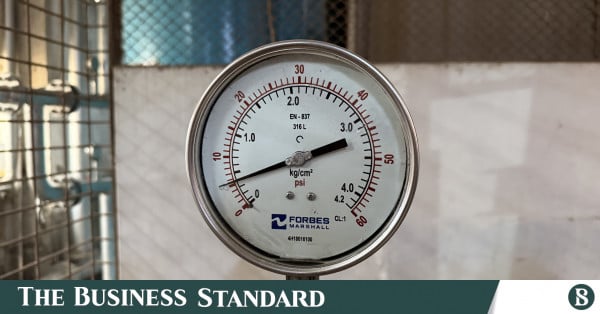
🔥 Ceramics factories require around 15 pounds per square inch (PSI) of gas pressure, but pressure has frequently dropped to 3-4 PSI and, at times, fallen to zero for most of the past month, forcing many factories to operate at only 34-40% capacity.
📊 Overall production in the ceramics sector has fallen to around 35%. The crisis is also driving up production costs, reducing exports, disrupting domestic supplies and prompting foreign buyers to cancel or cut orders.
💬 BCMEA: Factories Face Severe Financial Crisis
💬 “If the situation doesn’t improve quickly, factories will fall into a severe financial crisis. Imports may also rise as domestic production declines,” said Irfan Uddin, Secretary of the Bangladesh Ceramic Manufacturers and Exporters Association (BCMEA).
🔥 Gas accounts for around 12% of ceramic production costs, according to the BCMEA. Kilns require uninterrupted gas supply for about 24 hours as sudden pressure drops can damage or destroy products inside them. Once a kiln is shut down, it takes another 48-72 hours to restart after gas pressure returns to normal, making intermittent supply particularly damaging for manufacturers.
💰 Major Factories Hit Hard
🏭 Several major ceramics manufacturers have reported significant operational impact:
- 🌺 Artisan Ceramics (Gazipur): exports tableware to Europe; production down 35%; costs up 35-40%; exports down 35-40%
- 🏢 Great Wall Ceramic Industries (Sreepur, Gazipur): tile factory shut for a week, cutting production by 40,000 sq.m per day
- 🚽 Great Wall Sanitaryware (Habiganj): production down 35%
- 🏢 RAK Ceramics: shut all 4 production units for 8 consecutive days; now running at 25% capacity
- 🏭 Mir Ceramics (Sreepur, Gazipur): 3 of 4 units shut for 17 days; daily tile output down from 300,000 sq.ft to 50,000 sq.ft
- 💪 Meghna Ceramics Industries (Sonargaon, Narayanganj): unable to meet market demand
💬 “The gas and electricity crisis has increased our production costs by 35-40%,” said Mamunur Rashid, Chief Executive Officer of Artisan Ceramics. “Production has been disrupted due to the gas and electricity crisis, causing exports to fall by around 35-40%. We have also had to reduce the orders we accept. Buyers are becoming frustrated. We are worried whether they will give us orders next year.”
💬 Mohammad Khorshed Alam, Chief Executive Officer of RAK Ceramics, said the company had yet to calculate the losses caused by the shutdown.
📊 Industry Size and Market
📊 According to BCMEA data, Bangladesh has 76 ceramic factories producing tableware, tiles, sanitaryware and ceramic bricks, including 31 tile factories. The industry profile:
- 💰 Tk5,854 crore domestic tile market in FY2024-25 (local companies hold 82% share)
- 📊 Tk8,250 crore overall ceramics market in FY2024-25
- 💹 Tk20,000 crore in investment
- 👥 5 lakh (500,000) workers
🏭 Ceramic factories are located in Gazipur, Mymensingh, Narayanganj, Habiganj and Bhola. Industry insiders said almost all factories in the affected areas are facing gas shortages, except seven to eight in Bhola and Habiganj with comparatively better supplies.
📊 Industry executives said most affected factories are operating at only 20-30% capacity.
🌏 Strategic Context: Bangladesh Industrial Gas Crisis
🛢 The ceramics industry is the latest casualty in Bangladesh’s broader industrial gas crisis that has already hit textile mills, RMG factories, steel re-rollers and fertiliser producers. With domestic gas production declining and LNG imports struggling to fill the gap, gas-hungry industries face an existential threat.
⚠ For the ceramics sector specifically, the timing is particularly damaging. After years of building export momentum in tableware, tiles and sanitaryware — with brands like RAK Ceramics, Artisan Ceramics, Mir Ceramics and Shinepukur Ceramics establishing themselves in European, Middle Eastern and South Asian markets — the gas crisis now threatens to unwind these gains as foreign buyers shift to more reliable suppliers in India, Vietnam and China.
💰 For policymakers, the ceramics crisis underscores a deeper structural challenge: Bangladesh’s industrial diversification agenda depends on reliable energy supply. Without sustained investment in gas exploration, LNG infrastructure and renewable energy, the country’s efforts to build non-RMG export industries will keep hitting the same wall — an unreliable energy system that constrains industrial output and erodes export competitiveness.
✅ For the 5 lakh workers employed across the ceramics sector, the crisis is immediate. With factories shutting production lines and sending workers on leave, livelihoods are at risk in industrial belts that have few alternative employment opportunities. Quick policy action — including emergency gas allocation, priority supply to export-oriented factories and accelerated work on new LNG import infrastructure — will be essential to prevent lasting damage to one of Bangladesh’s most promising non-RMG export sectors.
This news was originally published by The Business Standard. For the full original report, please visit: https://www.tbsnews.net/economy/industry/gas-crisis-pushes-ceramics-industry-brink-1534416
📬 Get Bangladesh Trade News in your inbox
Weekly digest of export industry news, policy updates, and market analysis.
📰 Related Stories