Bangladesh Exporters Urge Single Halal Authority to Unlock Global $7 Trillion Halal Market
Businesses allege bribery and high fees in current multi-agency halal certification process, call for unified authority with international recognition
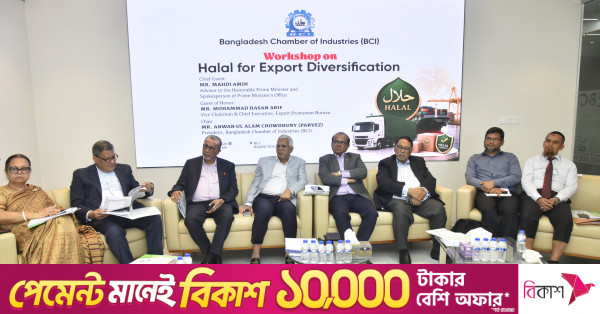
Bangladeshi exporters are calling for a single halal certification authority to replace the fragmented multi-agency system, citing bribery, high fees, and lack of international recognition as barriers to competing in the global halal market.
The Halal Export Opportunity
The global halal market is estimated at over $7 trillion, encompassing food, pharmaceuticals, cosmetics, and leather goods. With a Muslim-majority population and a fast-growing agro-processing and pharmaceutical sector, Bangladesh is well-positioned to capture a meaningful share of this market — but only if its halal certification infrastructure meets international standards. Currently, Bangladeshi exporters report losing orders to competitors in Malaysia, Indonesia, and the UAE because their halal certificates are not recognised by major importing countries.
Fragmented Certification Landscape
Halal certification in Bangladesh is currently handled by multiple bodies including the Bangladesh Standards and Testing Institution (BSTI), the Islamic Foundation, and several private certifiers. Each body applies its own standards and fee structures, creating confusion for exporters and inconsistency for international buyers. A single shipment may require multiple certificates from different authorities, each with its own processing timeline and fee.
Bribery and Excessive Costs
Businesses allege that bribery is rampant in the certification process, with informal payments required to expedite approvals. Combined with high official fees, the cost of halal certification can add 3-5% to the price of exported goods — a significant competitive disadvantage when rival exporters in Malaysia and Indonesia benefit from subsidised, single-window certification. The lack of price transparency also makes it difficult for new exporters to enter the market.
Calls for a Single Authority
Exporters are urging the government to establish a single, independent Halal Certification Authority of Bangladesh (HCAB) that would: consolidate all halal certification functions under one roof; align standards with the Organisation of Islamic Cooperation (OIC) halal standard; pursue mutual recognition agreements (MRAs) with major importing countries including Saudi Arabia, the UAE, Indonesia, and Malaysia; and operate with full fee transparency and an anti-corruption compliance framework.
International Recognition is the Missing Piece
Even with domestic reforms, Bangladeshi halal certificates will not unlock export markets unless they are recognised by importing-country authorities. The proposed HCAB would need to invest in building bilateral recognition agreements, which typically require: demonstrated compliance with international halal standards; third-party audits of the certification body itself; and reciprocal arrangements. The commerce ministry has indicated it is studying the Malaysian JAKIM model as a potential template.
Sector-Specific Implications
The reform is particularly important for Bangladesh's pharmaceutical, food processing, and leather export sectors. Bangladesh's pharmaceutical industry — already a global generic drugs powerhouse — sees halal-certified pharmaceuticals as a major growth opportunity in the Middle East and Southeast Asia. Similarly, halal-certified leather goods would command premium prices in Gulf markets. Without credible certification, these opportunities remain unrealised.
This news was originally published by The Business Standard. For the full original report, please visit: https://www.tbsnews.net/bangladesh/businesses-allege-bribery-excessive-costs-obtaining-halal-certificates-bsti-islamic
📬 Get Bangladesh Trade News in your inbox
Weekly digest of export industry news, policy updates, and market analysis.
📰 Related Stories