Bangladesh Exporters Seek Share of $100B US Tariff Refunds After Supreme Court Ruling
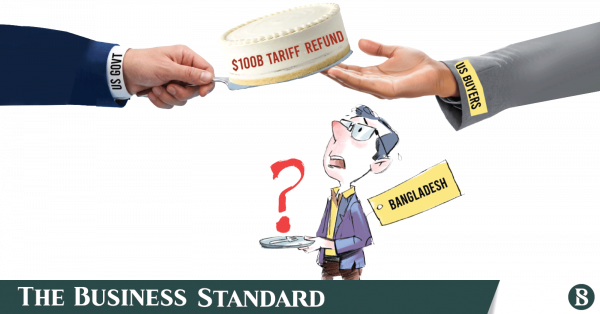
Dhaka, August 11, 2026 — Bangladeshi garment exporters who absorbed significant cost burdens during the 2025 US reciprocal tariff crisis are now seeking a share of the $100 billion in tariff refunds that the Trump administration has returned to US importers following the Supreme Court’s ruling that the duties were illegal.
📊 The Refund Situation
- 💰 $166 billion collected by US government under reciprocal tariff regime
- 💰 $100 billion refunded so far after Supreme Court ruling in February 2026
- 💸 Cost to US households: Average additional $1,000 per household in 2025 (Tax Foundation estimate)
- 👕 Bangladesh exporter share: Many absorbed 10-50% of tariff costs to keep orders flowing
💬 The Exporter’s Perspective
During the height of the 2025 tariff crisis, many US apparel buyers pressured Bangladeshi garment exporters to share the burden — forcing suppliers to cut prices or offer discounts to maintain their business relationships. Many exporters agreed, effectively absorbing part of the tariff burden to protect their orders with major US buyers.
Rakibul Alam Chowdhury, managing director of HKC Apparels, said: “At that time, we shared one-third of the additional cost with buyers, and in some cases, up to half. Now that the money has been refunded, we’ve started communicating with buyers.” HKC Apparels, a Chattogram-based manufacturer, sends approximately 90% of its exports to the US market.
“The buyers are saying they will refund the money,” Chowdhury added, indicating that negotiations are already underway between some suppliers and their US clients.
🏛️ Industry Leaders Demand Action
Mohammad Hatem, president of the Bangladesh Knitwear Manufacturers and Exporters Association (BKMEA), said buyers should now compensate suppliers for the price cuts made to offset the reciprocal tariff. “The amount deducted from suppliers should be returned to them in some form from the refunded funds,” he told The Business Standard.
Mahmud Hasan Khan Babu, president of BGMEA, said he was not aware whether exporters were negotiating with buyers to recover the conceded amounts. “If anyone is negotiating, they are doing so independently. Those who had absorbed a significant share of the cost may negotiate with their buyers. We believe the cost can be recovered through increased business, even if it is not returned directly,” he said.
A BGMEA leader, speaking on condition of anonymity, estimated that the amount absorbed by exporters may have averaged around 10% across the industry. He noted that exporters who shipped under Landed Duty Paid (LDP) arrangements — rather than Free on Board (FOB) — had to absorb the full additional tariff burden, as under LDP terms the supplier is responsible for customs duties imposed by the importing country.
📋 How Buyers Are Responding
Representatives of US buyers acknowledge that suppliers should receive some form of compensation. However, they say direct refunds may be difficult to implement. Instead, the losses could be partially offset through:
- 📈 Higher prices on subsequent orders
- 📦 Increased order volumes to help suppliers recover losses through scale
- ✈️ Concessions on air shipments and other logistics costs
- 💰 Discounts on future orders when similar situations arise
Any such arrangement would require direct negotiation between individual buyers and suppliers, rather than an industry-wide settlement.
💬 Not Everyone Expects Recovery
Not all exporters are optimistic about recovering their conceded costs. Rafiqul Anam Chowdhury, managing director of Chattogram-based RMG manufacturer Meadow Apparel, told TBS: “We also had to offer price concessions at the time. But I don’t think we will be able to recover that money in any way.”
The managing director of a Dhaka-based garment factory, speaking anonymously, shared a different strategy: his company had been asked to reduce its price by 5% but agreed to only a 1% cut, costing approximately $25,000. “However, we won’t ask them to return the money. Instead, we’ll ask them to increase the volume of business they do with us. Higher business volumes can help us recover the financial loss,” he said.
🌏 Legal Options for LDP Exporters
Exporters who shipped under LDP arrangements may have legal grounds to seek tariff refunds directly from US authorities, rather than relying on buyer negotiations. Legal experts suggest that LDP exporters, who technically paid the duties as importers of record, could file claims with US Customs and Border Protection for refunds of the duties they paid.
However, this process would require legal representation in the United States and could take months or years to resolve. The complexity and cost of legal action may deter smaller exporters from pursuing this route.
📊 Data Gap: How Much Did Exporters Lose?
Neither BGMEA nor BKMEA has comprehensive data on how much of the tariff-related cost burden was actually absorbed by Bangladeshi exporters. The lack of centralised data makes it difficult to quantify the total financial impact on the sector or to advocate for a coordinated industry-level response.
This information gap highlights a broader challenge for Bangladesh’s export sector: the absence of systematic data collection on cost-sharing arrangements between suppliers and international buyers, which limits the industry’s ability to negotiate from a position of evidence-based strength.
✅ What Comes Next
As the $100 billion refund process continues, Bangladeshi exporters face a critical window to negotiate compensation with their US buyers. The outcome of these negotiations will have significant implications for exporter profitability, cash flow, and the future pricing dynamics of the Bangladesh-US apparel trade relationship — particularly as both countries prepare for the implementation of the new bilateral trade agreement that includes a 19% tariff rate and $15 billion in energy investments.
This news was originally published by The Business Standard. For the full original report, please visit: https://www.tbsnews.net/economy/exporters-seek-share-100b-us-tariff-refunds-1511796
Related on BangladeshExport
📬 Get Bangladesh Trade News in your inbox
Weekly digest of export industry news, policy updates, and market analysis.
📰 Related Stories
✍️ More from System Administrator