Pay Or Sell Assets: Bangladesh FinMin Warns Defaulting Insurance Companies
Finance Minister Amir Khosru warns insurers with 57% claims unsettled must sell assets to pay policyholders, hints at sector restructuring similar to banking sector reforms
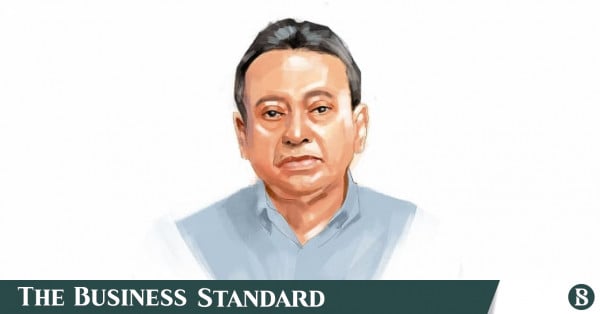
⚠ Insurance companies that fail to settle valid claims must sell their own assets, if necessary, to pay policyholders, Finance and Planning Minister Amir Khosru Mahmud Chowdhury has said. The strong-worded warning — delivered during a visit to the Insurance Development and Regulatory Authority (IDRA) — marks the most aggressive government intervention in Bangladesh's troubled insurance sector in years, signalling that the kind of regulatory crackdown seen in the banking sector is now extending to insurance.
📊 Around 57% of claims in the insurance sector remain unsettled, he said, warning that insurers cannot retain assets or make new investments while failing to pay policyholders. The 57% unsettled claims ratio is among the highest in any major Asian insurance market, and represents a structural failure of the sector's core function — providing financial security to policyholders who have paid premiums in good faith.
📜 Strict Conditions For Defaulting Insurers
Khosru said people buy insurance to protect their lives, assets and businesses, but failure to settle legitimate claims erodes public confidence in the sector. "No company will be allowed to purchase land or other assets, invest in different sectors or keep money in government securities while failing to pay what it owes to policyholders," he said.
The minister said insurers must prioritise settling valid claims and ensure adequate financial capacity, good governance and accountability. The finance minister said insurers that have failed to settle claims have already been given specific deadlines. If claims are not settled within the stipulated period, action will be taken against the concerned companies, he said.
"The main purpose of the insurance sector is to ensure people's financial security," he said, adding that clearing long-standing legitimate claims is essential to restoring policyholders' confidence. During his visit to IDRA, the minister was briefed on the current condition of the insurance sector, ongoing reforms and plans. He praised the regulator's reform initiatives, saying IDRA has an important role in establishing good governance, transparency and accountability.
- ⚠ Unsettled claims ratio: 57%
- 💰 Asset restriction: Defaulting insurers cannot purchase land/assets, invest in other sectors, or hold government securities
- 📜 Specific deadlines: Already issued to defaulting insurers
- 🏛 Insurance law amendments: Planned
- 📊 Sector restructuring: Hinted (similar to banking sector)
- 🗃 Two-server system ban: Mandated
- 📜 IDRA capacity building: 3-5 year plan
- 📅 Automation: All insurers must adopt
📜 Insurance Law Amendments Coming
The government will amend insurance laws and relevant regulations to address the sector's longstanding problems, the minister said. "The current condition of the insurance sector requires us to change the insurance laws and regulations. We have to bring these changes, and we hope to implement them in the days ahead," he said.
Khosru also said changes would be made to the management of insurance companies and indicated that the sector may require restructuring, similar to the banking sector. However, he said it would be premature to comment on possible mergers before the necessary regulations are prepared. "It would not be right to say anything in advance until the regulations are ready," the minister said. Once the necessary laws, regulations and regulatory framework are in place, the authorities will assess what measures are required for individual companies, he said.
The reference to banking sector-style restructuring is strategically significant. Bangladesh's banking sector has been undergoing consolidation through the merger of weak banks with stronger lenders — a process mandated under the Bank Company Act amendments. If a similar approach is applied to the insurance sector, the country could see consolidation of the 80+ insurance companies (both life and general) operating in a market that analysts have long considered too fragmented for sustainable profitability.
⚠ Deep-Rooted Problems In Insurance Sector
"The problems in the insurance sector have gone very deep. Irregularities, disorder and corruption have persisted for a long time. So bringing changes here will not be easy. But we have to undertake this difficult task," Khosru said. The government is taking steps to strengthen risk-based supervision of insurance companies, the minister said. He attributed part of the sector's current problems to the lack of proper risk-based supervision over a long period.
Going forward, technology, automation and digital systems will be used to monitor insurers' financial strength, governance and risk management more closely. The government also plans to bring all insurance companies under automation to reduce irregularities and corruption. Every insurer must have an automated system and conduct transactions online, the minister said. An interconnected digital system will also be developed among relevant institutions, with Bangladesh Bank and the Bangladesh Securities and Exchange Commission expected to be linked to the system.
🗃 Two-Server System Ban
He said insurers have also been instructed to discontinue the practice of maintaining a "two-server" system. Action will be taken through inspections if any company continues the practice after the deadline. The two-server system — where insurance companies maintain parallel accounting systems, one for regulatory reporting and one for internal management — has been a long-standing concern for IDRA, as it enables under-reporting of liabilities and over-reporting of solvency positions.
The ban on two-server systems, combined with the mandated automation of all insurance transactions, would create a structural foundation for genuine regulatory oversight. Once all transactions flow through a unified digital system linked to Bangladesh Bank and BSEC, IDRA would gain real-time visibility into insurer financial positions — a transformative upgrade from the current periodic reporting regime that allows insurers to manage their reported numbers in advance of regulatory reviews.
🏛 IDRA Capacity Building
The minister stressed the need to strengthen IDRA's manpower and institutional capacity. He said the regulator lacks sufficient skilled professionals and that the government plans to reduce its reliance on officials appointed on deputation. Instead, it aims to develop IDRA's own skilled workforce over the next three to five years. As insurance is a specialised sector, the regulator needs professionals with relevant academic backgrounds and practical experience, he said. Existing officials will also receive training to improve their expertise.
The 3-5 year capacity building timeline reflects the realistic horizon for transforming a regulator that has historically been staffed primarily by deputation officials from other government departments. Building a permanent cadre of insurance professionals — actuaries, financial analysts, risk management specialists and compliance officers — requires both recruitment reform and sustained investment in training and professional development. The commitment to reducing deputation dependence signals that the government is willing to make the structural investments needed for effective insurance sector regulation.
🌏 Strategic Context For Bangladesh's Insurance Sector
For Bangladesh's broader financial sector, the insurance sector reform agenda carries strategic significance. Insurance penetration in Bangladesh remains among the lowest in Asia — at less than 1% of GDP — despite the country's growing middle class and the expanding pool of insurable assets including property, vehicles, businesses and human capital. The 57% unsettled claims ratio is a primary reason for the low penetration: when consumers observe insurers failing to pay legitimate claims, they rationally choose to avoid insurance products, perpetuating the sector's underperformance.
The IDRA initiative to settle Tk 37.54 crore in claims to 8,417 policyholders of seven troubled life insurers — reported separately — represents the kind of structural intervention needed to begin rebuilding consumer confidence. The finance minister's warning to defaulting insurers complements this intervention by establishing that the government will not tolerate continued claim defaults. Together, these measures begin to address both the legacy backlog and the future incentive structure for insurers.
🤝 Implications For Bangladesh's Economic Resilience
For Bangladesh's broader economic resilience, a functioning insurance sector is strategically important. Without effective insurance, households and businesses absorb the full financial impact of risks including illness, death, property damage, business interruption and liability claims. This risk absorption function falls on the government when disasters strike — creating fiscal pressure that could be partially mitigated through a developed insurance market.
The reform agenda — asset sale requirements for defaulting insurers, insurance law amendments, sector restructuring, automation mandates, two-server system ban and IDRA capacity building — represents the most comprehensive intervention in Bangladesh's insurance sector in decades. The coming months will reveal whether the government can translate the announced agenda into specific legislative proposals, regulatory frameworks and enforcement actions. Without sustained political commitment and operational follow-through, the announcement risks joining the long list of insurance sector reform initiatives that have failed to translate ambition into outcomes.
For the policyholders waiting for legitimate claims to be settled, the minister's warning offers a degree of hope that has been absent for years. Whether that hope is realised will depend on the speed and credibility of the reform implementation over the coming fiscal year.
This news was originally published by The Business Standard. For the full original report, please visit: https://www.tbsnews.net/economy/pay-or-sell-assets-finmin-warns-defaulting-insurers-1542651
Related on BangladeshExport
📬 Get Bangladesh Trade News in your inbox
Weekly digest of export industry news, policy updates, and market analysis.
📰 Related Stories