Japan-US Joint Yen Intervention: First Coordinated Action Since 2011
Tokyo and Washington confirm Friday yen-buying action to halt 40-year low; dollar drops to 156.50 JPY; Bessent signals readiness for further intervention
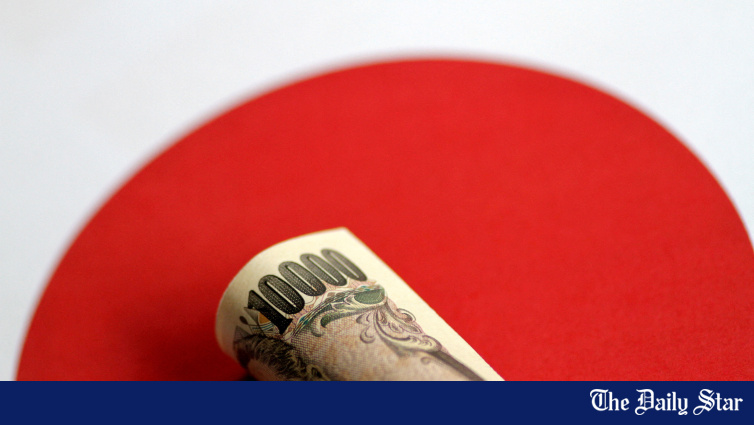
Tokyo, August 4, 2026 — Japan and the United States conducted coordinated yen-buying intervention and will not hesitate to take further action, Japan's finance ministry said on Monday, confirming a rare bilateral action to halt the yen's slide to fresh 40-year lows — the first such joint intervention since 2011.
The news underscores both countries' resolve to prevent a sell-off in the yen and Japanese government bonds (JGB) from causing global spillovers, such as adding upward pressure on already rising US Treasury yields, analysts say. The coordinated action marks a significant escalation in global currency intervention and signals that Washington and Tokyo are willing to act together to defend currency stability at a moment of broader macroeconomic fragility.
📊 The Intervention in Numbers
In its statement, Japan's finance ministry said Friday's yen-buying intervention with the US Treasury Department "countered excessive volatility and disorderly movements in the Japanese yen in recent months." The scale of the intervention was substantial:
- 💰 Estimated intervention size: Up to $58.97 billion (per BOJ data)
- 📈 USD/JPY reaction: Dollar fell 0.6% to intraday low of 156.50 yen
- 📅 Date of intervention: Friday (August 1, 2026)
- 🌏 Previous joint intervention: 2011 (after devastating earthquake)
- 👥 Parties: Japan Ministry of Finance + US Treasury Department
"The Japanese Ministry of Finance remains attentive and in close communication with our counterparts at the US Treasury," the ministry added. "We will not hesitate to conduct further joint intervention." The language is unusually firm — signalling that Tokyo and Washington are prepared to repeat the action if the yen comes under renewed pressure.
🤝 Trump Frames It as Friendship
Preceding the announcement, President Donald Trump said on Sunday the United States was helping Japan to prop up the yen as a sign of friendship and to help the world economy. "They have a weakening yen, and they wanted a little bit of help. And we're always there for Japan," Trump said in response to a reporter's query about why the US is helping to support the yen.
The framing is significant: by describing the intervention as a friendship gesture rather than a hard-headed macroeconomic defence, Trump is positioning the action as part of his broader foreign policy approach — in which US economic support for allies is explicitly tied to broader strategic alignment. The friendship framing also gives Trump political cover domestically, where intervention to support a foreign currency could otherwise be criticised as inappropriate use of US resources.
💬 Top Officials Confirm Action
"The joint intervention is the culmination of Japan's alliance with the United States," Japan's top currency diplomat Atsushi Mimura told reporters on Monday. "We will continue to align (currency policy) with the Bank of Japan's monetary policy," he said, suggesting the government will work hand in hand with the BOJ in arresting yen falls.
US Treasury Secretary Scott Bessent also confirmed Friday's effort, adding Washington "will not hesitate to participate in further joint intervention." "We strongly support Japan's decisive market and monetary steps to correct the substantial undervaluation of the yen," Bessent said in a separate statement on X, repeating his calls for further interest rate hikes by the Bank of Japan.
The remarks put the spotlight on the BOJ, which last week kept rates on hold but signaled scope for a rate hike as soon as its next policy meeting in September. The intervention thus becomes part of a broader macroeconomic coordination package — with Tokyo handling currency defence through intervention and the BOJ expected to handle monetary tightening through rate hikes.
🚦 Why Japan Needs Yen Support
Japan has been struggling to curb a relentless drop in the yen that pushes up import prices and stokes broader inflation, hitting households' wallets and Prime Minister Sanae Takaichi's public approval ratings. The political dimension of yen weakness has become increasingly salient — with Takaichi's government under pressure to demonstrate concrete action against currency depreciation that is eroding household purchasing power.
Tokyo's solo intervention conducted between late April and early May caused only a brief yen rebound. The BOJ's June rate hike to a 31-year high of 1 percent also gave the struggling currency little lasting boost. The pattern of failed solo action is what ultimately pushed Tokyo to seek US cooperation — recognising that without Washington's participation, currency intervention had limited credibility with markets.
🧪 Will It Work? Analysts Skeptical
Analysts doubt whether the latest round of action could counter structural factors driving down the yen, such as the rising cost of fuel from the Middle East conflict and the still wide Japan-US interest rate differentials. The fundamental driver of yen weakness — the gap between Japanese interest rates (1%) and US interest rates (above 5%) — remains enormous, and no amount of intervention can fully offset that gap.
"The announcement effect of joint intervention is much bigger than solo action by Japan," though the yen fell after the announcement as it was largely within expectation, said Tsuyoshi Ueno, a senior economist at NLI Research Institute. "The fundamentals driving yen weakness haven't changed, so we likely won't see one-sided yen rises from this intervention."
The analyst view captures the paradox of joint intervention: it has more psychological impact than solo action, but it cannot fix the underlying structural drivers of yen weakness. The intervention buys time — but durable yen recovery ultimately depends on either the BOJ raising rates further to narrow the interest rate gap, or the Federal Reserve cutting rates to achieve the same effect.
🏛️ Fed Liquidity Backstop
In a sign of further Japan-US coordination, Bessent said the United States would consider increasing in coming months the size of the Federal Reserve's repurchase facility providing temporary dollar liquidity, calling the tool an "important backstop." The comment came after the MOF's rare X post on Saturday that it had "a broad range of tools to address market liquidity needs," including access to the Fed's repurchase facility providing temporary dollar liquidity.
The Fed facility, introduced in 2020 to steady markets during the COVID-19 pandemic, allows Japan to raise dollar liquidity without outright sales of US Treasuries — potentially easing funding pressures on Tokyo for intervention. The mechanism is significant because it removes one of the key constraints on Japanese intervention: the risk that large-scale dollar selling would destabilise the US Treasury market, which Japan helps finance through its vast Treasury holdings.
🌏 Implications for Bangladesh and Emerging Markets
The joint yen intervention has mixed implications for Bangladesh and other emerging market economies. A stronger yen would reduce competitive pressure on emerging market currencies that have been depreciating against the dollar — potentially providing modest relief for the taka, which recently hit Tk 123.88 per dollar. If the intervention succeeds in stabilising the yen, it could reduce safe-haven flows into the dollar that have been pressuring emerging market currencies.
However, the intervention also signals that major central banks are willing to take extraordinary measures to defend currency stability — a stance that could complicate the global monetary policy outlook. If joint intervention becomes a more frequent tool, it could undermine the credibility of market-determined exchange rates and create new uncertainties for international trade and capital flows. For Bangladesh's export sector, currency volatility in major markets affects competitiveness: a stronger yen makes Japanese imports more expensive (potentially benefiting Bangladesh's recent EPA with Japan), while a weaker yen would have the opposite effect.
📋 Strategic Context
The joint yen intervention is the latest in a series of extraordinary central bank actions in 2026 — joining the Federal Reserve's softer inflation outlook, the European Central Bank's cautious rate decisions, and the Bank of Japan's slow normalisation path. Together, these actions reflect a global monetary policy environment in which major central banks are struggling to balance competing priorities: inflation control, currency stability, economic growth, and financial market stability.
For Bangladesh, the global monetary policy uncertainty reinforces the case for the structural reforms outlined in the LDC graduation roadmap. The country cannot rely on favourable global monetary conditions to support its export competitiveness — those conditions are subject to rapid change as major central banks respond to geopolitical shocks, currency pressures, and domestic political dynamics. Building a more resilient export sector, with diversified markets and products, is the only sustainable response to a global macroeconomic environment that promises continued volatility for the foreseeable future.
This news was originally published by The Daily Star. For the full original report, please visit: https://www.thedailystar.net/business/news/japan-confirms-joint-yen-intervention-us-signals-readiness-more-action-4238886
📬 Get Bangladesh Trade News in your inbox
Weekly digest of export industry news, policy updates, and market analysis.
📰 Related Stories