Indonesia Cuts Gas Exports to Singapore by 8 Percent Amid Haze Spat
SKK Migas trims 31 million standard cubic feet per day to prioritise domestic electricity as wildfire haze inflames regional relations
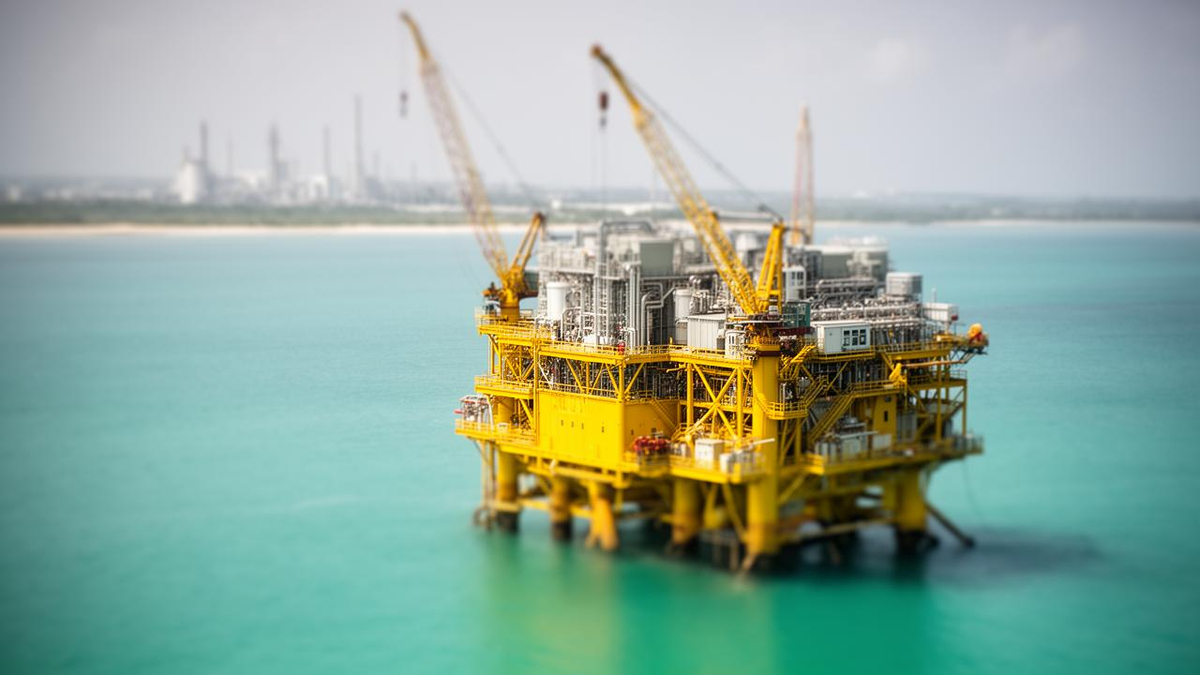
🛢 Indonesia cut exports of natural gas to Singapore on Saturday to prioritise domestic demand, an official said, with the two countries at loggerheads over regional air pollution emanating from wildfires on the vast archipelago. The head of SKK Migas, the state agency supervising the oil and gas sector, told AFP that Indonesia would cut a total of 31 million standard cubic feet per day from its supply to Singapore — 15 million from Natuna in Indonesia's Riau islands and 16 million from Sumatra.
🔌 The move was to maintain the reliability of domestic gas supply for electricity, SKK Migas chief Djoko Siswanto said in a statement, adding that we will continue to monitor developments on a daily basis. Indonesia is one of Singapore's main sources of natural gas, providing it with 145.3 billion cubic feet in 2024, according to US Energy Information Administration data — making the cut equivalent to roughly eight percent of that total. The Singapore government has not commented on the development.
🔥 The haze crisis behind the pipeline politics
🌫 The move comes amid a diplomatic spat between Indonesia and its neighbours over haze from wildfires on Borneo and Sumatra that has choked cities across the region. On Thursday, Indonesian energy minister Bahlil Lahadalia said he was mulling curbing gas exports to prioritise domestic consumption, while warning Jakarta would act against countries that do not respect Indonesia. President Prabowo Subianto went further on Wednesday, berating countries that like to insult his nation over the haze crisis without naming specific countries.
🌳 The context is one of the region's worst fire seasons in years. Indonesia has struggled for months to contain blazes that deforestation monitor Nusantara Atlas said have consumed more than 1.9 million hectares in the nine months to September. The haze has sent air pollution surging to dangerous levels not only in Indonesia but also in Malaysia, Singapore and East Timor, prompting the ASEAN regional bloc to call a meeting over the crisis. Singapore has promised legal action against companies responsible for the fires — a step that has plainly found no favour in Jakarta.
⚡ The energy weaponisation is new, but the underlying resource politics are not. Indonesia's gas fields serve both domestic power plants and long-standing export contracts, and when domestic supply tightens — as it does when drought and fire seasons stress the system — the allocation decision becomes an act of foreign policy as much as engineering. Framing the cut in reliability-of-supply language lets Jakarta pursue a politically motivated outcome through a technical channel, a playbook gas exporters worldwide will have noted.
🌏 Why a Southeast Asian pipeline dispute reaches Dhaka
💰 Bangladesh watches this market with direct financial interest. As one of Asia's spot-LNG buyers, Bangladesh's power-generation economics are hostage to the same global gas market that regional supply disruptions rattle. Every time an established pipeline exporter diverts volumes, Asian buyers who depend on flexible cargoes face a tighter, pricier spot market — and the knock-on shows up months later in Bangladesh's fuel import bill, its power subsidies and its exchange-rate arithmetic.
📉 The episode also underscores the strategic value of Bangladesh's own import diversification: long-term contracts, multiple supplier countries and regasification capacity have all reduced — though not eliminated — exposure to exactly this kind of regional supply politics. Energy-importing nations learned during the recent global crisis that sellers' domestic priorities always come first; Indonesia's message to Singapore is the same lesson in miniature, delivered through a valve rather than a communique.
🔭 How this resolves will test ASEAN's ability to manage both an environmental emergency and its commercial spillover. If Indonesia sustains the cuts, Singapore will bid harder for LNG cargoes — pushing up prices for every buyer in the region's spot market, including Bangladesh's state importers. If the haze crisis eases and gas diplomacy quietly normalises, the episode will still stand as a reminder that in Asian energy, contract law bends to domestic politics — and that fuel security, like the haze itself, crosses borders whether governments acknowledge it or not.
📋 For the gas industry's long-term planners, the Singapore case also illustrates a broader shift in exporter behaviour. Producers from Indonesia to Malaysia and beyond are increasingly reserving incremental output for domestic industrialisation — petrochemicals, fertiliser and power — rather than locking it into export contracts, a trend that tightens the Asian spot market structurally, not just seasonally. Buyers who once assumed regional pipeline volumes were dependable base supply are re-learning that contracts signed in one political era can be repurposed as leverage in another, which is why Singapore, despite its wealth and market sophistication, found itself with no immediate recourse beyond silence.
🧪 The environmental and commercial threads are, in truth, the same story. The haze comes largely from burning peatland and cleared forest — land converted for the agricultural commodities that generate the export revenue Jakarta now guards so jealously — so the fires that poison the region and the gas cuts that squeeze it spring from the same resource-allocation mindset. Economists have long warned that ASEAN's environmental externalities would eventually acquire a price; Indonesia's gas valve is the first time that price has been quoted in cubic feet per day.
This news was originally published by The Daily Star. For the full original report, please visit: https://www.thedailystar.net/business/global-economy/news/indonesia-cuts-gas-exports-singapore-4306576
📬 Get Bangladesh Trade News in your inbox
Weekly digest of export industry news, policy updates, and market analysis.
📰 Related Stories