Dhaka Stocks Open Lower After Puja Break as Fuel Hike Weighs on Sentiment
DSEX slips 0.10 percent to 5,445 in early trading with 209 issues declining against 110 advancing

📉 Dhaka stocks opened lower on Sunday after a week-long holiday, as investors remained cautious amid lacklustre corporate earnings and escalating geopolitical tensions in the Middle East. Concerns over the economic impact of the latest fuel price hike also weighed on market sentiment — a familiar trio of worries that greeted traders as screens came back to life after the Durga Puja break.
📊 The numbers from the morning session told the story. The benchmark Dhaka Stock Exchange (DSE) index, the DSEX, fell 5 points, or 0.10 percent, to 5,445 at 11:00am when the report was filed. The blue-chip DS30 index shed 2 points to 2,101, while the DSES index, which tracks Shariah-compliant companies, declined 6 points to 1,064.
📥 Market breadth remained negative, with 209 issues declining against 110 advancing, while 60 remained unchanged on the DSE — a ratio confirming that caution, not panic, was the morning's mood. Turnover stood at Tk 1.40 billion at the time, indicating continued trading activity despite the subdued sentiment. BRAC Bank topped the turnover chart, with shares worth Tk 124 million changing hands — continuing the blue-chip banking interest that closed the previous week. The Chittagong Stock Exchange (CSE), however, opened higher, its All Share Price Index (CASPI) rising 48 points to 14,652, while the Selective Categories Index (CSCX) gained 34 points to 9,009.
⛽ The fuel-price overhang
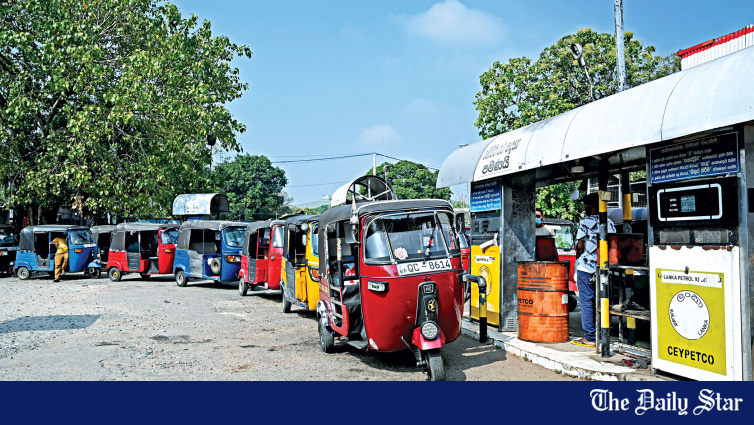
🛢 The fuel price hike deserves its place at the top of the worry list. Every adjustment in diesel and furnace oil prices passes quickly through the listed economy — transport costs for consumer-goods companies, generator bills for manufacturers, and input costs for cement, steel and textiles all rise with the pump price. Investors price that squeeze before it reaches quarterly accounts, which is why fuel adjustments have historically produced soft openings even when the broader market trend is stable. This time the hike also lands on top of an earnings season already delivering disappointments, compounding the effect on the sectors most dependent on energy-intensive operations.
🌏 The geopolitical backdrop amplifies the same anxiety. Escalating Middle East tension threatens Bangladesh through the same oil-price channel — any disruption to Gulf supply pushes up the import bill, pressures the taka and tightens the monetary conditions that equity valuations depend on. For a market that trades largely on domestic macro signals, external energy shocks have become the recurring spoiler, arriving with each headline from the region.
🧪 Reading the modest decline correctly
🔭 A 0.10 percent dip on reopening day is, in truth, a muted outcome for a market carrying three simultaneous concerns. The relatively contained fall — alongside continued turnover and banking-stock interest — suggests investors are trimming positions and rotating rather than heading for exits. That is consistent with the low P/E environment brokers keep citing: valuations are cheap enough that selling into bad news looks unattractive, while the uncertainties are real enough that fresh buying stays selective.
📈 The intraday details also hold a modest bullish signal. CSE gains alongside DSE weakness often indicate bargain-hunting in smaller names even as the main board drifts — the kind of rotation that precedes stabilisation if the news backdrop improves. The rest of the session, and the week, will show whether the fuel-hike drag on sentiment proves temporary or extends the DSEX's losing streak into a fifth week — a test of both the market's floor and the patience of its sidelined cash.
💻 The week ahead offers three markers investors will watch for confirmation of either outcome. First, the pace of dividend declarations from the banks and blue chips that dominate the index — payouts in line with or above last year would restore the earnings narrative that this season has so far denied. Second, the foreign-exchange and fuel-cost data for October, which will show whether the import squeeze is easing or whether the latest hike simply formalises a deterioration already under way. Third, policy signals on the IPO pipeline and the T+1 settlement timeline, both of which brokers identify as the domestic catalysts capable of lifting turnover if they arrive with dates attached.
📚 The sectoral texture of the morning also rewarded attention. Cement and engineering names — the most energy-leveraged corners of the listed market — are natural underperformers in a fuel-hike week, while pharmaceuticals and telecoms, with lower fuel intensity and steadier demand, have historically provided the defensive rotation that keeps indices from overshooting. Where that rotation lands this week will say much about whether the market's structural preference for defensive value has fully reasserted itself — and whether the banks that led bargain hunting into the Puja break can continue to carry the market alone.
⚖ For retail investors, the standard guidance in such openings is patience discipline: half-position entries on fundamentally sound names, avoidance of leverage, and scepticism toward rally rumours on thin-volume days. For the market's regulators and listed companies, the message from a quiet, slightly red reopening is subtler — the capital that stayed away during the holidays is watching, priced and ready, and it will return through whichever door — dividends, liquidity or credible reform — opens first.
This news was originally published by The Financial Express. For the full original report, please visit: https://thefinancialexpress.com.bd/stock/dhaka-stocks-open-lower-as-investors-weigh-earnings-geopolitical-risks
📬 Get Bangladesh Trade News in your inbox
Weekly digest of export industry news, policy updates, and market analysis.
📰 Related Stories