BGMEA Rejects Reports of DBL Factory Closures Amid Energy Crisis
Apex apparel body says member factories running at 60-70% capacity despite gas and power shortages; warns unverified reports could hurt buyer confidence

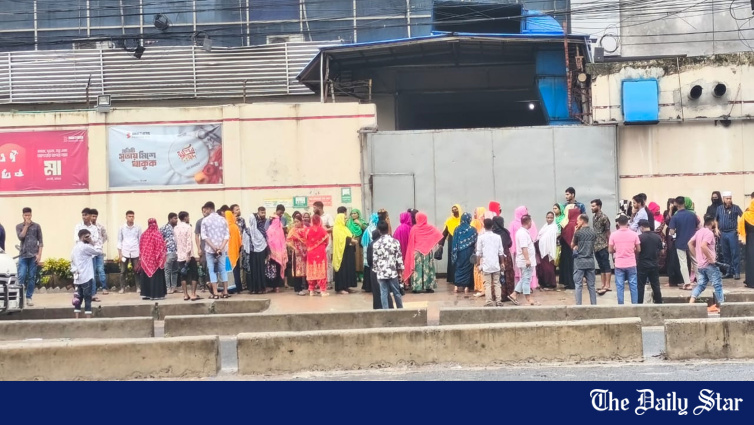
Dhaka, August 4, 2026 — The Bangladesh Garment Manufacturers and Exporters Association (BGMEA) has forcefully dismissed reports that several garment factories, including those operated by DBL Group, have shut down due to gas and power shortages, calling the claims "completely false and baseless" and warning that unverified reporting could erode international buyer confidence in the country's apparel sector.
In a press release issued on August 3, BGMEA — the country's apex garment exporters' body — said the reports, which had been circulated by some media outlets, online platforms, and social media channels, had created unnecessary confusion and threatened to undermine confidence in Bangladesh's ready-made garment (RMG) sector at a delicate moment for the industry.
⚠️ What BGMEA Is Pushing Back Against
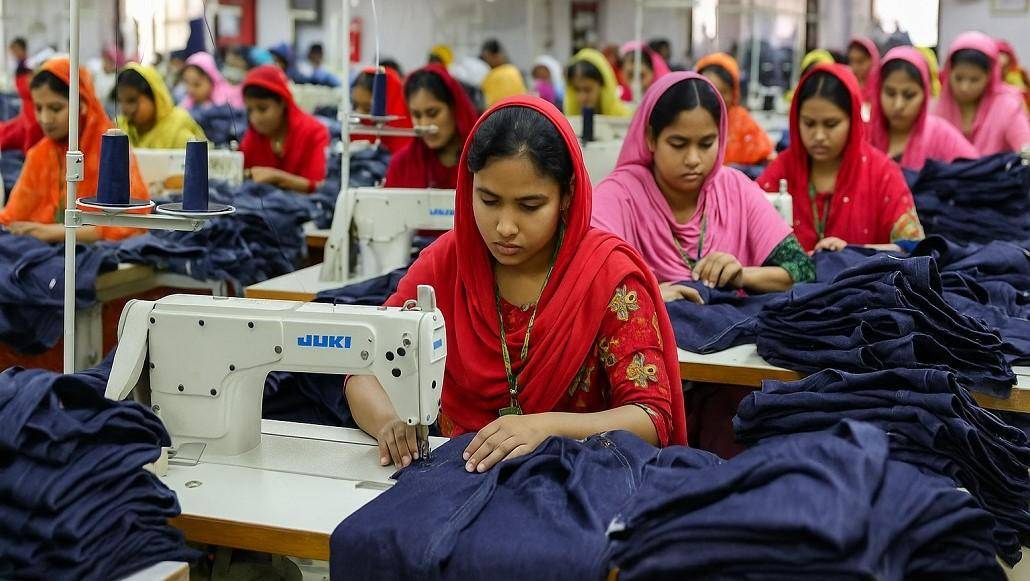
The BGMEA statement directly targets claims that factories belonging to DBL Group and other major manufacturers had ceased operations as the country's industrial gas crisis deepened. The association acknowledged that the industry is facing severe gas and electricity shortages, but emphasised that its member factories have managed to keep production running at approximately 60-70 percent capacity with government support.
Factory owners are making every possible effort to sustain production and ensure uninterrupted export operations despite the ongoing energy constraints, BGMEA said, pushing back against the narrative that the gas crisis has triggered a wave of factory shutdowns across the apparel belt.
📅 August 6 Closure Explained: Routine Holiday Adjustment
BGMEA also addressed one specific element that appears to have fuelled the closure rumours: the fact that many factories will remain closed on Thursday, August 6. The association clarified that this is a routine leave adjustment to accommodate the upcoming government holiday on August 5 and the weekly holiday — not a sign of financial distress or operational collapse.
The leave adjustment will be compensated later in accordance with labour regulations, BGMEA said, describing the measure as a standard operational practice adopted during periods of gas shortages. The framing is significant because it positions the August 6 closure as a planned, regulated action rather than a forced shutdown driven by energy scarcity.
💰 Production Reality: 60-70% Capacity
BGMEA's acknowledgement that member factories are operating at 60-70 percent capacity is itself a striking admission of the scale of the energy crisis. While the association is disputing the more dramatic closure claims, the capacity figure confirms that roughly one-third of the sector's production potential is currently sitting idle — a major constraint on Bangladesh's ability to meet export orders during a period of sluggish global demand and intensifying competition from regional rivals.
The 60-70 percent capacity figure aligns with broader industry concerns about the gas crisis, which has already prompted textile millers, knitwear manufacturers, and woven garment producers to seek urgent government intervention. BGMEA's own president has previously raised the issue in meetings with the prime minister and called for uninterrupted gas supply to export-oriented industries.
👥 Why BGMEA Is Worried About Reporting
The association's unusually forceful pushback reflects the high stakes involved in how the energy crisis is communicated to international audiences. BGMEA cautioned that publishing unverified reports about factory shutdowns could create serious confusion among local and international buyers and business partners, potentially harming the credibility that Bangladesh's garment industry has built over decades.
For an export sector that depends on long-term relationships with global brands and retailers, perceptions matter as much as operational reality. Reports of factory closures — even if inaccurate — can prompt buyers to shift orders to competing suppliers in Vietnam, Cambodia, or India, creating a self-fulfilling prophecy where lost orders eventually do force factories to shut down.
👕 RMG Sector: Backbone of the Economy
Describing the RMG sector as the backbone of the country's economy, BGMEA urged media organisations and all stakeholders to verify information before publication and ensure objective reporting in the greater interest of the industry. The framing reinforces how central the apparel sector remains to Bangladesh's economic stability, employment, and export earnings — and how sensitive industry leaders are to any narrative that could damage its global standing.
The RMG sector accounts for more than 80 percent of Bangladesh's merchandise exports and employs roughly four million workers directly, with millions more dependent on the industry through supply chains and informal economy linkages. Any disruption to production therefore has cascading effects on employment, foreign exchange earnings, and broader macroeconomic stability.
🔥 The Bigger Picture: Energy Crisis Continues
While BGMEA is contesting the closure narrative, the underlying energy crisis remains unresolved. Bangladesh has been grappling with severe gas shortages for months, with domestic production unable to meet industrial demand and LNG imports constrained by damaged infrastructure and high spot prices. The government has prioritised gas supply to export-oriented industries, but even prioritised allocations have been insufficient to maintain full production.
The crisis has forced many factories to ration operations, adjust shift schedules, and in some cases temporarily suspend production lines — measures that fall short of full closures but still represent a significant hit to output. BGMEA's emphasis on the 60-70 percent capacity figure, rather than denying any production impact at all, suggests the association is trying to walk a fine line: acknowledging the real challenges while preventing the narrative from spiralling into something more damaging.
📋 Strategic Context
The BGMEA statement comes at a particularly sensitive moment for Bangladesh's apparel sector. The industry is simultaneously confronting the gas crisis, sluggish global demand, the recent imposition of US tariffs including a 19 percent reciprocal duty and a separate 10 percent forced labour tariff, and the looming loss of duty-free market access following LDC graduation. Against that backdrop, factory closure reports — even inaccurate ones — add another layer of pressure on an industry already operating under extraordinary strain.
For buyers and investors watching Bangladesh from abroad, the BGMEA statement offers a measure of reassurance that the sector is not collapsing. But the underlying capacity figure of 60-70 percent confirms that the energy crisis is having a material impact on production, and that the path back to full capacity depends on gas supply improvements that remain uncertain. The credibility of BGMEA's reassurance, in other words, will ultimately depend on whether the government can deliver the energy solutions the industry desperately needs.
This news was originally published by The Business Standard. For the full original report, please visit: https://www.tbsnews.net/economy/bgmea-refutes-report-factory-closure-over-gas-power-crisis-1506066
Related on BangladeshExport
📬 Get Bangladesh Trade News in your inbox
Weekly digest of export industry news, policy updates, and market analysis.
📰 Related Stories