Bangladeshis Spend Tk 987 Crore Abroad via Cards, Nearly 4x Foreign Spending
Outbound card spending keeps climbing while domestic credit card turnover slipped in August, the latest Bangladesh Bank data shows
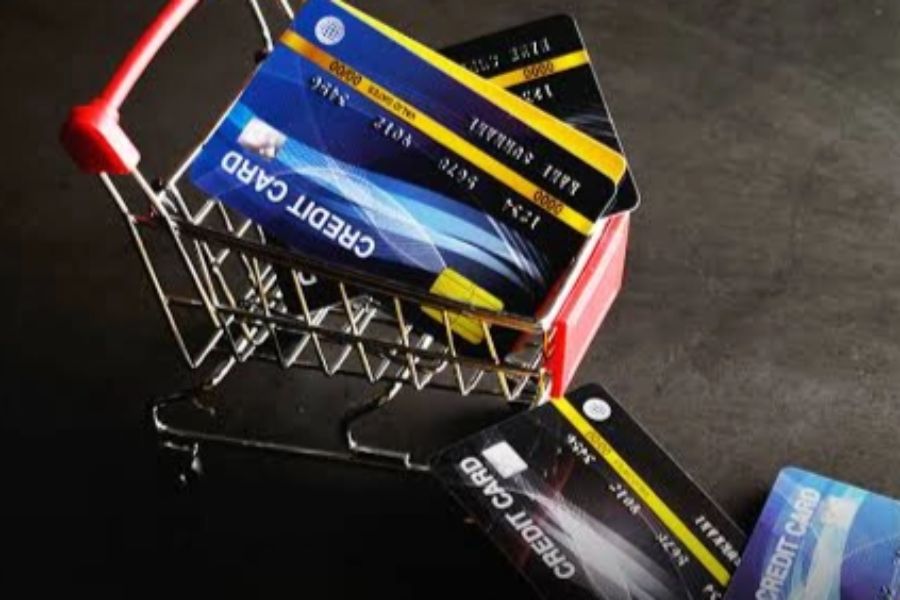
📊 Bangladeshis continue to spend far more using their payment cards abroad than foreign nationals spend inside the country, with outbound card transactions outpacing inbound spending by nearly fourfold, according to the latest central bank data. The persistent gap has turned card-based spending into a small but visible source of foreign exchange outflow, drawing attention at a time when Bangladesh's external accounts remain under careful watch.
🌏 In August, transactions made by Bangladeshis using cards abroad reached approximately Tk 987 crore, a slight increase from Tk 985 crore recorded in July. In contrast, foreign nationals spent about Tk 249 crore using cards inside Bangladesh during the same month, reflecting a 6.27 percent increase from Tk 234 crore the previous month. The wide gap between the two figures highlights the growing scale of international card-based expenditure by domestic users and the comparatively modest card-based spending by visitors within Bangladesh.
💳 How the outbound spending broke down
According to Bangladesh Bank data, outbound expenditures in August comprised Tk 504.60 crore through credit cards, Tk 422.10 crore via debit cards, and Tk 60.10 crore using prepaid cards. The composition shows that credit cards remain the preferred instrument for spending overseas, likely reflecting the convenience of revolving credit for travel, hotel bookings and shopping.
🗺 Destination-wise, the United States remained the top destination for Bangladeshi credit card use abroad, accounting for 17.16 percent of total foreign credit card transactions. The US was followed by Thailand, the United Kingdom, India, and Singapore — a list that mirrors the most popular travel corridors for Bangladeshi tourists, students and medical travellers. For debit cards, the UK topped the list with 14.19 percent of total transactions, while India accounted for the highest share of prepaid card usage at 18.71 percent, consistent with the heavy cross-border movement of people between the two neighbours.
🏦 Domestic credit card spending dips
⚠ While spending abroad inched up, domestic credit card transactions within the country experienced a decline. Domestic credit card turnover dropped by 5.44 percent, falling from Tk 4,324.80 crore in July to Tk 4,089.30 crore in August. The dip suggests that households turned marginally cautious on discretionary purchases during the month, even as foreign spending continued to rise.
🛍 Within domestic credit card transactions, department stores accounted for the largest share at 48.14 percent. This was followed by retail outlets at 12.67 percent, utility bill payments at 10.80 percent, pharmacies and drug stores at 6.94 percent, and cash withdrawals at 6.43 percent. Despite the overall dip in domestic credit card turnover, spending in specific categories saw growth — transactions at retail outlets rose from Tk 477.90 crore to Tk 518.30 crore, alongside increases in utility payments, pharmaceuticals, clothing, and transportation sectors.
🚀 Plastic money boom over five years
📈 Data from the central bank reveals a substantial surge in plastic money adoption over the past five years. At the end of September 2021, the country had 2.42 crore debit cards, 17.63 lakh credit cards, and 10.27 lakh prepaid cards in circulation. By August 2026, those numbers had expanded to roughly 4 crore debit cards, 28.05 lakh credit cards, and 92.71 lakh prepaid cards. Overall, the total number of cards surged by 96 percent over five years, while transaction volumes grew by 103 percent, with prepaid cards witnessing the fastest growth rate — a sign that digital wallets and prepaid instruments are rapidly entering the mainstream.
💰 By the end of August, the total approved credit limit against credit cards stood at Tk 43,108 crore, with outstanding loans amounting to Tk 14,482 crore. The utilisation ratio indicates considerable headroom in the credit card market, though analysts note that unsecured consumer credit growth deserves continued monitoring as household leverage rises alongside digital borrowing habits.
🎛 Central bank pushes digital payment drive
🤝 Commenting on the trends, Bangladesh Bank Executive Director and Spokesperson Arif Hossain Khan told the press that the central bank has been implementing various initiatives to discourage cash transactions and promote digital payments. Alongside card usage, ongoing efforts include expanding interoperable digital payment methods such as the Bangla QR code system, which allows customers of any bank or mobile financial service to pay merchants through a single, unified QR standard.
💡 The fourfold gap between outbound and inbound card spending carries real macroeconomic weight. Every taka spent abroad through a Bangladeshi card ultimately settles in foreign exchange, adding to import-style pressure on the country's reserves, while inbound visitor spending represents a small services-export gain. With outbound card spending running at nearly Tk 1,000 crore per month against roughly Tk 250 crore coming in, the asymmetry widens the services account deficit — a gap that Bangladesh has long tried to narrow through tourism promotion and export of ICT services.
🌏 For policymakers, the numbers reinforce two parallel agendas. First, expanding domestic digital payments remains central to formalising the economy, deepening financial inclusion and improving revenue capture. Second, boosting inbound tourism and business travel — so that foreign card spending inside Bangladesh rises toward the levels seen in peer economies — would help offset the outflow. Bangladesh's tourism earnings remain a fraction of comparable regional markets, and easing visa processing, improving connectivity and ensuring smooth digital payment acceptance for foreign cards at hotels and shops are frequently cited as practical fixes.
📉 The steady rise of card adoption also matters for exporters and small merchants, who increasingly receive payments through digital channels. As interoperable tools like Bangla QR spread, transaction costs fall and audit trails improve — developments that support both financial inclusion and the broader documentation of the economy that trade partners and development lenders have long encouraged.
🔭 Going forward, monthly card data will offer a useful high-frequency signal of consumer confidence and external spending pressure. A sustained acceleration in outbound card spending amid flat domestic turnover would point to stronger appetite for foreign travel and education — recurring forex demands that Bangladesh must balance against remittance inflows, export earnings and prudent reserve management in the months ahead.
This news was originally published by The Financial Express. For the full original report, please visit: https://thefinancialexpress.com.bd/bangladesh/bangladeshis-spending-nearly-four-times-abroad-what-foreigners-spend-here-using-cards
📬 Get Bangladesh Trade News in your inbox
Weekly digest of export industry news, policy updates, and market analysis.
📰 Related Stories