Bangladesh Targets Sustainable Farming on 50% of Agricultural Land by 2030 for Climate Resilience
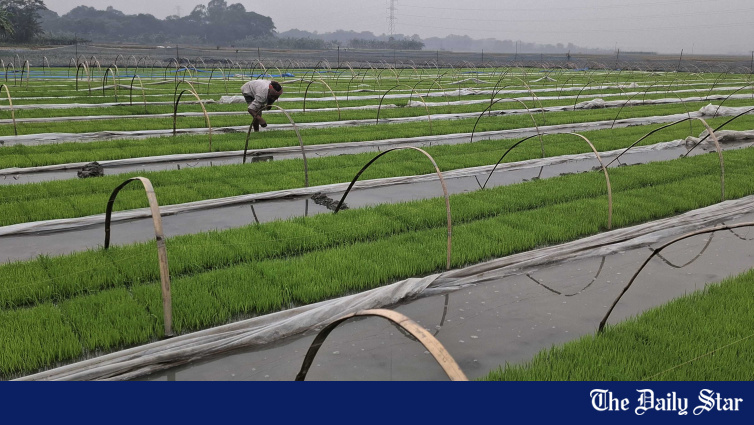
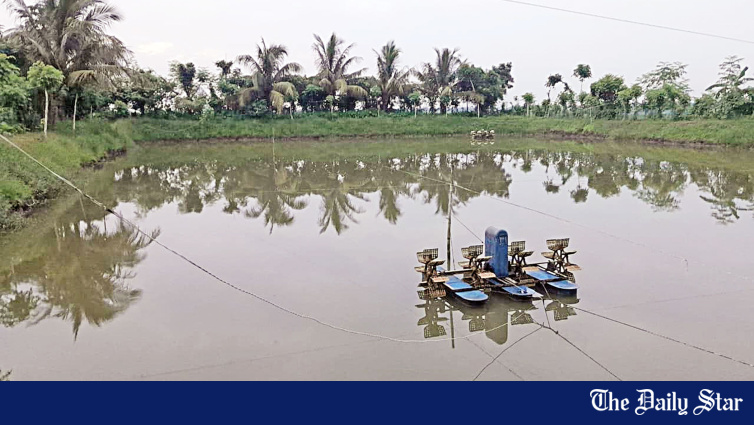
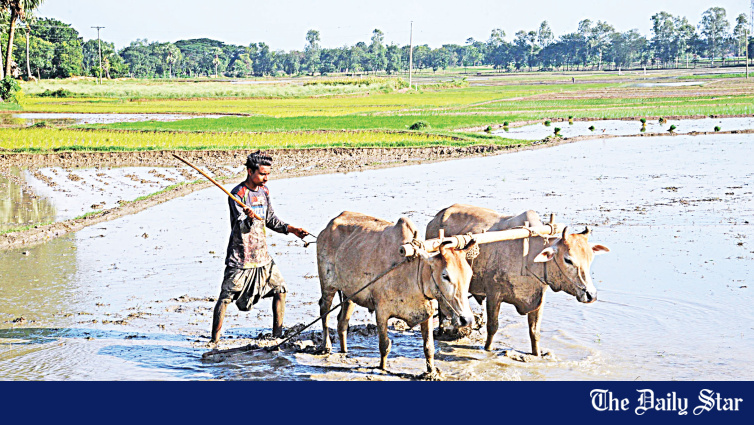
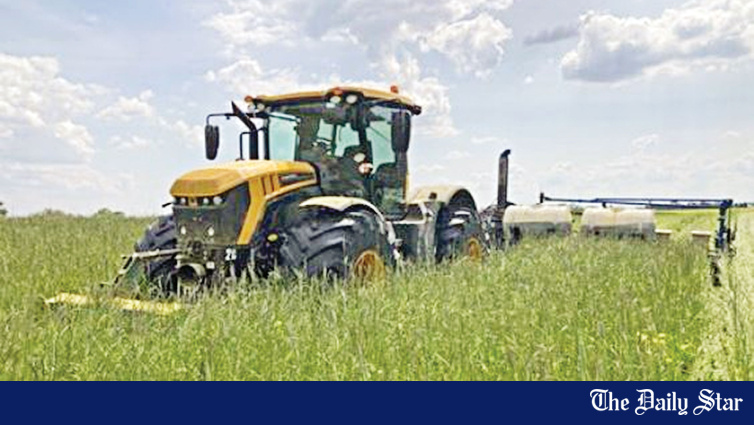
Dhaka, August 11, 2026 — The Bangladesh government has set an ambitious target to bring half of the country's agricultural land under productive and sustainable farming practices by 2030, in a bid to strengthen climate resilience, ensure long-term food security, and align the sector with World Trade Organization (WTO) compliance ahead of LDC graduation. The announcement was made by Kamrul Hasan, Joint Secretary of the Policy and Planning Branch at the Ministry of Agriculture, during a high-level conference in Dhaka on Monday.
📊 From 44.37% to 50.01% — The Numbers
Currently, 44.37 percent of Bangladesh's agricultural land is under sustainable practices. The government plans to raise this to 50.01 percent within the next four years — a meaningful but achievable expansion that would require accelerated adoption of good agricultural practices (GAP), precision farming, and climate-smart technologies across millions of smallholder farms.
The push comes as Bangladesh faces intensifying climate impacts: erratic monsoons, recurring floods, salinity intrusion in coastal belts, and prolonged heatwaves. Sustainable farming is no longer a niche environmental aspiration — it has become a strategic necessity for safeguarding the country's $40 billion-plus agriculture sector and the livelihoods of the 45 percent of the workforce it supports.
🟩 Green Box Subsidies: A Post-LDC Pivot
One of the most significant policy shifts flagged by Kamrul Hasan is the planned transition from direct cash incentives to “green box” subsidies. Under the WTO's Agreement on Agriculture, green box subsidies are permitted because they fund public services rather than directly supporting production or prices — causing little or no trade distortion.
The shift is critical because Bangladesh's LDC graduation in November 2026 will trigger the loss of several special and differential treatment provisions, including flexibility to operate outside WTO subsidy disciplines. By pivoting to green box support, the government can continue funding agricultural development without running afoul of international trade rules.
The new subsidy architecture would channel resources into:
- 🔬 Agricultural research and development — stress-tolerant seeds, fertilisers, and crop science
- 🏢 Infrastructure — irrigation, drainage, rural roads, and warehousing
- 📦 Extension services — farmer training, technology transfer, and field-level support
- 🐛 Pest control — integrated pest management and biosecurity
- 💰 Export support — transportation, packaging, handling, and market promotion
🌾 Pesticide Reduction and Good Agricultural Practices
Kamrul Hasan stressed the urgent need to reduce excessive pesticide use, noting that Bangladesh currently applies around 40,000 tonnes of pesticides annually — a volume that affects biodiversity, soil health, and the broader environment. The ministry has already developed Good Agricultural Practices (GAP) protocols for 15 products and is investing in laboratory facilities to support agricultural exports.
GAP certification is particularly important for agro-processors targeting premium export markets in the EU, North America, and the Gulf, where retailers increasingly require verifiable sustainability and safety credentials from suppliers. A robust GAP framework could unlock higher margins for Bangladeshi agro-exports — especially in fresh vegetables, fruits, and processed foods.
🍃 Nutrition Strategy: Beyond Calorie Security
The conference also highlighted progress and persistent gaps in nutrition outcomes. The stunting rate declined from 43 percent in 2012-13 to 24 percent in 2025, though progress slowed during the Covid-19 pandemic. Wasting and rising rates of overweight, particularly in urban areas, require targeted interventions.
Regional disparities remain pronounced, especially in Sylhet and Mymensingh, where difficult terrain and dependence on single-crop farming contribute to higher rates of stunting and wasting. The rising rate of anaemia among women is another concern, prompting the ministry to introduce a nutrition-sensitive agriculture strategy that integrates dietary diversity, biofortification, and women's empowerment into extension services.
📱 Farmers Card: Digital Backbone for Climate-Smart Agriculture
Hasan highlighted the Farmers Card initiative as a critical enabler of the sustainable farming transition. The card provides 10 integrated services, including conditional cash support for farm inputs, precision farming guidelines, agricultural insurance, and support for agri-entrepreneurs and startups. By digitising service delivery, the government can target subsidies more efficiently and reduce leakage.
The initiative aligns with broader digital transformation efforts under the Smart Bangladesh vision, and creates a data backbone that can support everything from weather-indexed insurance to predictive crop planning.
👥 High-Level Stakeholder Endorsement
The conference brought together a cross-section of policymakers and civil society leaders. Speakers included Rasheda K Choudhury, Executive Director of Campaign for Popular Education; Syed Sultan Uddin Ahmmed, Executive Director of Bangladesh Institute of Labour Studies; Md Fazlul Kader, Managing Director of PKSF; Zonayed Abdur Rahim Saki, State Minister for Planning; and ANM Ehsanul Hoque Milon, Minister for Education and Primary and Mass Education.
The presence of PKSF's leadership is particularly significant. As Bangladesh's largest microfinance and development finance institution, PKSF channels billions of taka annually into rural enterprises, agri-businesses, and climate-resilient livelihoods. Its alignment with the sustainable farming agenda suggests the funding architecture for the 50 percent target is already taking shape.
🌐 Strategic Context: Why This Matters for Bangladesh's Export Future
For Bangladesh's export community, the sustainable farming target carries strategic weight beyond agriculture itself. Agro-processing is one of the government's priority diversification sectors, alongside pharmaceuticals, leather, and ICT. A robust sustainable farming base would:
- 💰 Reduce import dependence — onion imports dropped sharply from 700,000 tonnes to about 70,000 tonnes, demonstrating what is possible
- 🌏 Open premium export markets — GAP-certified produce commands 20–40 percent price premiums in EU and Gulf retail
- 🌿 Strengthen brand Bangladesh — sustainability credentials matter increasingly for global buyers
- 💧 Conserve water and soil — critical for long-term competitiveness in water-stressed regions
- 🌟 Support LDC transition — green box subsidies keep support WTO-compliant
With climate change accelerating and LDC graduation looming, the 50 percent sustainable farming target is more than an environmental aspiration — it is a strategic pivot designed to keep Bangladeshi agriculture productive, compliant, and competitive in the post-LDC era. Whether the country can convert ambition into outcomes will depend on execution discipline, sustained financing, and the willingness of millions of smallholders to embrace practices their forebears never knew.
This news was originally published by The Daily Star. For the full original report, please visit: https://www.thedailystar.net/business/economy/news/govt-targets-sustainable-farming-50-land-4245556
Related on BangladeshExport
📬 Get Bangladesh Trade News in your inbox
Weekly digest of export industry news, policy updates, and market analysis.
📰 Related Stories