Bangladesh Sitting on Tk 2,500 Crore of Idle World Bank Loan Funds
Repurposing unspent loans for energy and food imports needs caution, as over $1 billion was redirected last fiscal year, economists warn
💰 Several development projects in Bangladesh financed by the World Bank have large amounts of foreign loan funds lying unused, unadjusted or idle because of various complications in project planning and implementation. According to the lender's latest report, more than Tk 2,500 crore in such funds remains idle in designated accounts across different sectors — money borrowed at concessional terms that is delivering neither infrastructure nor development outcomes.
📋 The findings are contained in a report titled Bangladesh Outstanding Refunds Update October 2026, sent by the World Bank to the Economic Relations Division (ERD) on 12 October. Weak project preparation, land acquisition, procurement complications, bureaucratic delays, shortages of project directors and limited implementation capacity often prevent development projects from utilising foreign loans on time, according to ERD officials. However, as in the previous fiscal year, the government can use idle funds from ongoing projects in the current fiscal year to meet urgent energy and food security needs, they said.
🧴 Where the money went last year
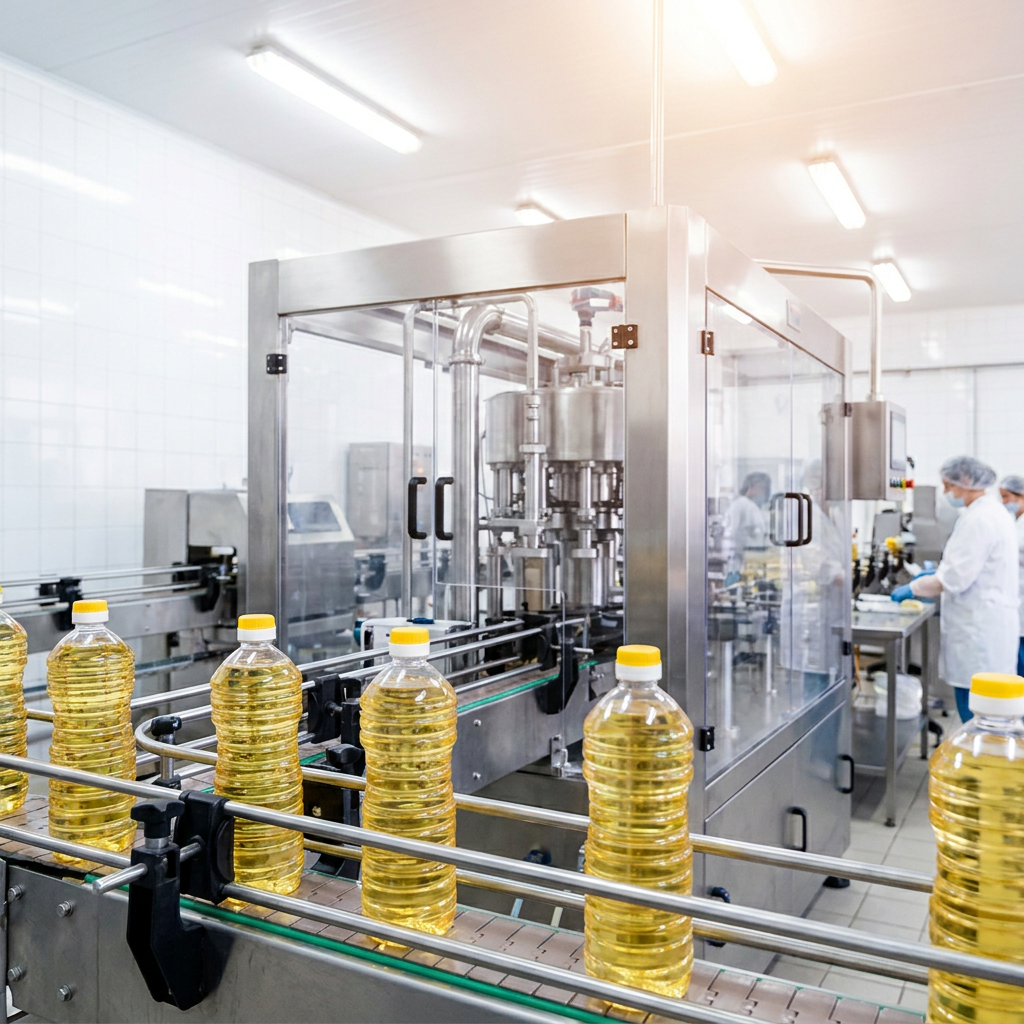
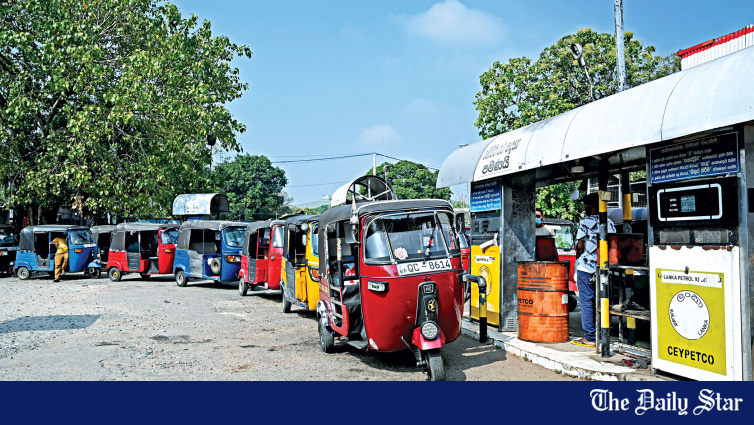
⛽ In FY26, more than $1 billion in idle funds from ongoing projects and expired or undisbursed loans was redirected to meet urgent needs — $713 million disbursed to finance fuel purchases and $300 million for emergency food and fertiliser imports. That emergency pattern makes sense amid balance-of-payments stress, but economists warn that repurposing — the World Bank's term for redirecting unused funds — should not be treated merely as an alternative source of emergency financing. Authorities must consider which projects the funds are being withdrawn from, where the money is being spent, and how significant the impact will be on society and the economy; otherwise, there is a risk of undermining the original objectives of the loans.
💼 Billions tied up in inactive accounts
📦 The World Bank report shows substantial funds tied up in designated accounts whose disbursement deadlines have expired, are due to expire within four months, or have recorded no spending for at least six months. Taka-denominated accounts alone contain Tk 1,910.63 crore in outstanding and inactive balances, with individual account balances ranging from less than Tk 1 crore to Tk 70 crore or more.
- ⚠ Funds awaiting resolution over ineligible expenditure or misprocurement relate to several projects, including the Scaling-up Renewable Energy Project, the Sustainable Coastal and Marine Fisheries Project, the Emergency Multi-sectoral Rohingya Crisis Response Project, Supporting Rural Bridges, the Livestock and Dairy Development Project, and the Private Investment and Digital Entrepreneurship Project.
- 🔋 The report flags $3.75 million in unused funds under Advance ID-2 of the Electricity Distribution Modernisation Project, while funds under the Learning Acceleration in Secondary Education project have remained inactive for six months.
- 📄 Seven designated accounts linked to projects whose implementation periods have ended contain Tk 114.6 crore in outstanding refundable balances, and two other accounts hold Tk 412.35 crore despite the expiry of their disbursement deadlines.
- ⏳ A further Tk 1,100.91 crore remains unused in accounts linked to two major projects whose disbursement deadlines expire within four months — and unless the required expenditure details are submitted on time, these balances risk being classified as overdue.
🚧 Why the money keeps sitting still
🧭 ERD officials point to a familiar chain of failure: poor feasibility studies and land acquisition complications are major obstacles, while administrative and legal disputes over land, complex procurement procedures, delays in contractor selection and lengthy tender evaluations all slow implementation. Prolonged file processing and slow decision-making further impede progress, and a shortage of experienced, full-time project directors — together with frequent changes in leadership — disrupts continuity and weakens implementation capacity. The intended development outcomes simply go unrealised while the clock on each loan runs down.
⏱ The government aims to cut the approval period for foreign-funded development projects to five months to speed up implementation, a commitment a high-level Bangladeshi delegation conveyed to World Bank Managing Director Anna Bjerde at a meeting in Bangkok on 13 October. The ambition responds to a sobering ERD finding: it takes an average of 11.8 months from World Bank board approval to the first disbursement — meaning a substantial part of a loan's grace period can elapse before implementation even begins. Feasibility studies and pre-approval procedures extend the wait further, and administrative and technical complications add delays on top, so projects often take years to get off the ground.
🧩 Repurposing: from where, to where, for what?
💬 Zahid Hussain, former lead economist at the World Bank's Dhaka office, told TBS that repurposing funds from ongoing projects could provide an alternative source of financing, provided the new use does not face the same implementation problems. Repurposing should not be judged solely by how quickly funds become available, he argued: authorities must assess where the money is being taken from, where it is going and what outcomes the reallocation is expected to deliver. Repurposing can be faster than securing fresh financing — but the viability and future benefits of the project losing funds must also be assessed, because slow progress alone is not sufficient reason to withdraw financing, and withdrawing funds to meet urgent needs could leave the original project requiring additional financing later.
❓ The central question in repurposing, in his formulation, should be: repurposing from where, to where, and for what purpose? Authorities must weigh the potential harm to the original project against the expected benefits of the alternative use — without such an assessment, repurposing could leave both objectives unfulfilled. Repurposing just to get cash leaves you neither here nor there, he said, adding that both the government and the World Bank have their own interests: Bangladesh wants to secure funds quickly, while the World Bank may have an interest in increasing disbursements — and neither objective, on its own, guarantees better development outcomes.
⚖ M Masrur Reaz, chairman of Policy Exchange Bangladesh, said repurposing could be an alternative financing strategy amid the current economic crisis and limited fiscal space, but decisions must be made with extreme caution. Funding should not be cut from projects already underway, progressing on schedule, or critical to the economy; instead, the government could consider reallocating funds from completed projects with unspent balances, projects at a very early stage that are not immediately important to the economy, or those significantly behind their original implementation schedules. The priority should be to identify funds allocated to less critical projects at an early stage of implementation, he said.
🔭 The idle-cash problem is, ultimately, a symptom rather than the disease. Every taka sitting untouched in a designated account represents a bridge not built, a classroom not digitised or a grid line not upgraded — while the commitment charges and opportunity costs quietly accumulate. The five-month approval target and the review of project-director shortages attack the disease at its source. Until implementation capacity genuinely improves, repurposing will remain a legitimate but second-best tool: useful in an emergency, corrosive as a habit — and best measured not by how fast it releases cash, but by whether Bangladesh's development pipeline ends the year with fewer stuck projects than it started with.
This news was originally published by The Business Standard. For the full original report, please visit: https://www.tbsnews.net/analysis/will-repurposing-unspent-world-bank-loans-serve-development-needs-1581331
📬 Get Bangladesh Trade News in your inbox
Weekly digest of export industry news, policy updates, and market analysis.
📰 Related Stories