Bangladesh Raises Cash Incentive on Local Yarn Usage from 1.5% to 5% to Revive Textile Sector
Government to spend Tk 35 billion on incentive; BTMA says 1,800+ textile mills and 527 spinning mills to benefit; gas and electricity shortages still constrain recovery
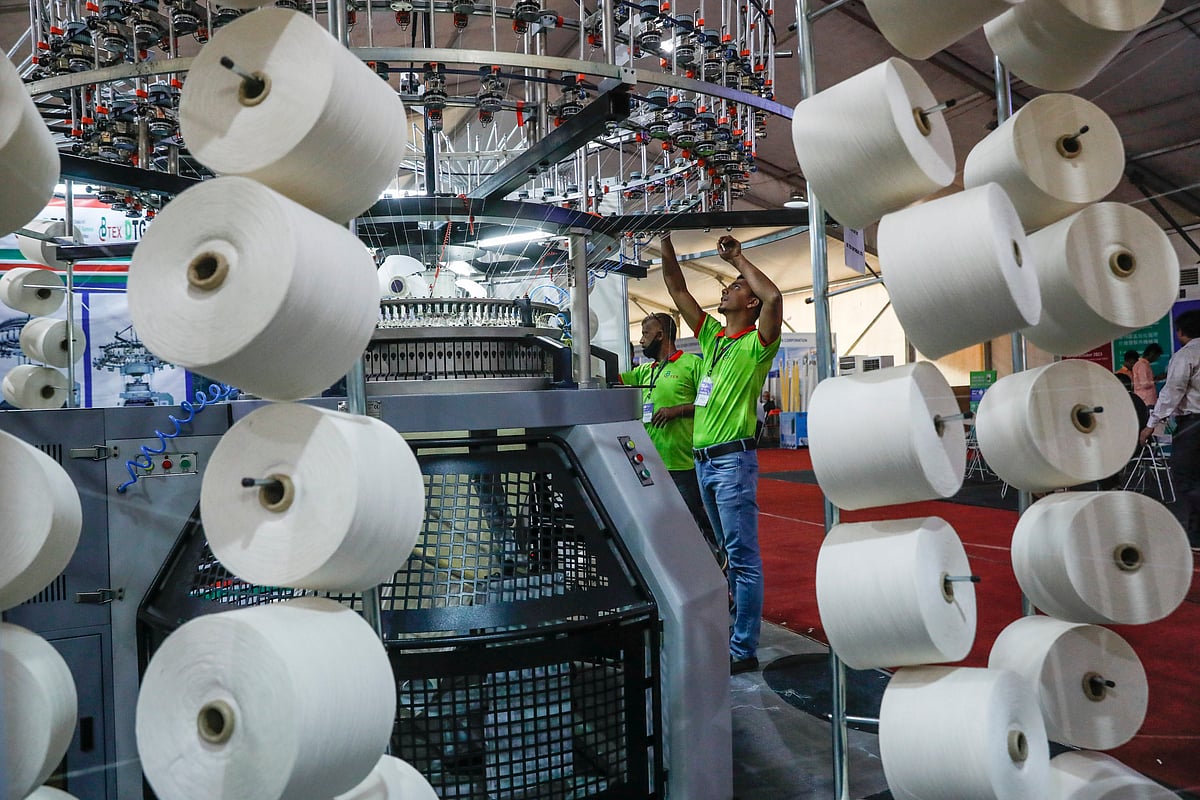
Dhaka, July 25, 2026 — The Bangladesh government has increased the cash incentive for export-oriented factories using locally produced yarn from 1.5 percent to 5 percent, in a significant policy move aimed at revitalising the country's struggling textile sector. The decision, expected to cost the exchequer approximately Tk 35 billion (Tk 3,500 crore), replaces the existing bonded warehouse and duty drawback facilities for ready-made garment (RMG) exporters using domestically manufactured yarn. 🧵
📈 The Bangladesh Bank issued the directive on July 12, 2026, following a Finance Ministry instruction sent to the central bank governor on July 9. The new rate applies during the current fiscal year to RMG exporters using locally manufactured yarn or fabric.
🏭 The Textile Sector at a Glance
According to the Bangladesh Textile Mills Association (BTMA), Bangladesh's textile sector is large but under stress:
- 🏭 Total textile mills: More than 1,800
- 🔄 Spinning mills: 527
- 💰 Total sector investment: Approximately USD 23 billion
- 🧶 Local yarn supply for knitwear: 80% of total requirement
- 👕 Local yarn supply for woven garments: Nearly 40% of total requirement
📉 Why the Incentive Was Raised — Yarn Import Surge
The incentive hike comes in response to a worrying trend: yarn imports have surged since the government reduced the cash incentive from 4% to 3% in January 2024 (as part of LDC graduation preparation), and then further to 1.5% six months later. 📊
📦 Bangladesh yarn import data (NBR):
- 📅 FY 2022-23: Tk 144.1 billion
- 📅 FY 2023-24: Tk 211.42 billion (47% increase)
- 📅 FY 2024-25: Tk 267 billion (26% increase)
- 📅 FY 2025-26 (most recent): Tk 258.64 billion
- 🇮🇳 Share from India: Around 90% of imported yarn
💬 "Until two and a half years ago, exporters received a 4 per cent cash incentive for exporting ready-made garments produced with locally sourced yarn," industry stakeholders told Prothom Alo. "When the incentive was at 4%, the price difference between imported and locally produced yarn was only 10-15 US cents per kilogramme. After the cut to 1.5%, that gap widened to around 40 US cents — making Indian yarn significantly cheaper."
🎯 Industry Reaction — Cautiously Optimistic
Razeeb Haider, former director of BTMA, told Prothom Alo that the higher incentive could help, but only to a limited extent:
💬 "Small and medium-sized factories that previously relied almost exclusively on Indian yarn will now become somewhat more interested in using locally produced yarn because of the higher cash incentive. This will increase demand for yarn to some extent and create opportunities for idle factories to resume operations. However, if purchase orders for ready-made garments continue to decline and the gas and electricity crisis remains unresolved, the sector will not benefit significantly."
📈 Industry estimates suggest the higher incentive could:
- 📊 Increase local yarn sales by approximately 5%
- 🏭 Allow some idle factories to resume operations
- 🇮🇳 Reduce yarn imports from India modestly
- 💰 Give spinning mills some breathing space
⚠️ BKMEA President — "Effective Benefit Only 3.2%"
Mohammad Hatem, President of the Bangladesh Knitwear Manufacturers and Exporters Association (BKMEA), struck a more cautious note, warning that legal complexities and taxation will erode the headline 5% rate:
💬 "Although the government has announced a 5 per cent cash incentive for using locally produced yarn, legal complexities mean exporters will ultimately receive only about 2.5 per cent. This is because exporters must pay a 5 per cent tax on the incentive, and that is not the final settlement. In the end, the effective benefit may stand at around 3.2 per cent. As a result, yarn imports are unlikely to decline significantly."
📋 The effective rate breakdown:
- 📋 Headline incentive: 5%
- 💵 Tax on incentive: 5% of the incentive amount
- 💸 Other deductions: Various compliance and processing fees
- 📊 Effective benefit: ~3.2% (per BKMEA estimate)
🏭 On-the-Ground Reality — Gas and Electricity Crisis
Even with the higher incentive, textile mills continue to face severe operational challenges that limit their ability to benefit from the policy change.
🏭 Example: Mosharaf Composite Textile Mills
- 📍 Location: Bhabanipur, Gazipur
- 🏭 Production capacity: 160 tonnes of yarn per day
- ⚡ Power source: Gas-fired captive generators + Rural Electrification Board backup
- 📉 Current gas pressure: Only 2-3 PSI during the day (far below required levels)
⚠️ Persistent gas and electricity shortages, combined with liquidity constraints affecting most factories in the sector, mean that even the higher cash incentive cannot fully unlock production capacity. Many mills are running well below their installed capacity.
📋 Stakeholder Demands — What Else Is Needed
Industry stakeholders have called for additional measures to complement the incentive hike:
- ⚡ Resolve gas and electricity shortages — Without reliable power, mills cannot run at capacity
- 💰 Address liquidity constraints — Many mills cannot access working capital
- 🇮🇳 Reduce Indian yarn imports — Through tariff or non-tariff barriers if needed
- 📊 Simplify incentive disbursement — Reduce compliance burden and processing time
- 💵 Remove the 5% tax on the incentive — To make the headline rate meaningful
- 📅 Stable policy environment — Avoid frequent changes to incentive rates
🔍 Wider Context — LDC Graduation Pressure
The cash incentive reduction in 2024 was part of Bangladesh's preparation for graduating from the Least Developed Country (LDC) category, as export subsidies are generally not permitted under WTO rules for non-LDC countries. However, with graduation approaching and the textile sector under severe strain, the government has reversed course to protect the domestic industry.
🌐 The move signals that Dhaka is prioritising short-term industrial stability over strict compliance with WTO subsidy rules — a calculated risk given the sector's importance to the economy. The textile sector supplies the backbone of Bangladesh's RMG export engine, which accounts for over 80% of merchandise exports.
🎯 What This Means for Exporters
For RMG exporters, the policy change offers a tangible benefit — but only if they can navigate the compliance requirements and if their supply chain partners (spinning mills) can actually deliver quality yarn on time. 💼
The next few months will be critical: if yarn imports decline and local mills ramp up production, the policy will be judged a success. If imports continue at current levels despite the higher incentive, the government may need to consider more direct measures to protect the domestic textile industry.
For now, the Tk 35 billion question is: will 5% be enough to revive a sector burdened by energy shortages, liquidity crises, and fierce Indian competition? 🤔
This news was originally published by Prothom Alo. For the full original report, please visit: https://en.prothomalo.com/business/local/z8jagyptqf
Related on BangladeshExport
📬 Get Bangladesh Trade News in your inbox
Weekly digest of export industry news, policy updates, and market analysis.
📰 Related Stories