Bangladesh PM Tarique Rahman Vows Gas, Power Supply Improvement From September 15
Three-hour meeting with 21 business organisations addresses LNG terminal accident aftermath, third FSRU plan for December 2027 and $1 trillion economy target by 2034

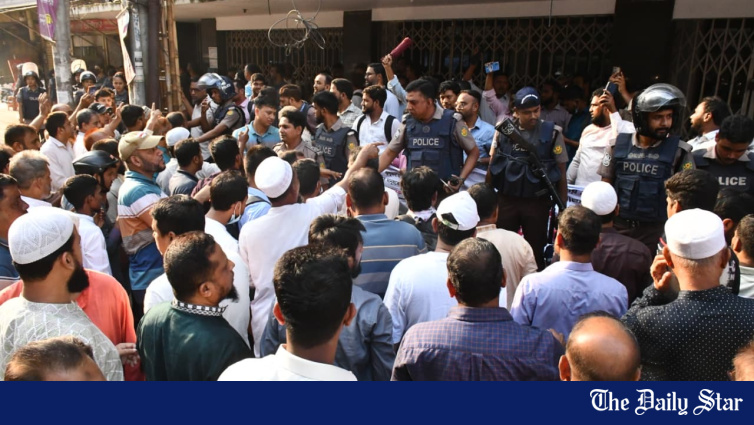
🏛 Gas and electricity supplies to industrial units are expected to improve from tomorrow (15 September) evening, as the government says it has resolved the disruption caused by an accident at one of the country's two floating LNG terminals. The assurance came from Prime Minister Tarique Rahman during a high-level meeting with leaders of 21 business organisations, marking the government's most direct engagement with the business community on the energy crisis that has gripped Bangladesh for months.
📊 Prime Minister Tarique Rahman expressed the hope that gas supplies would return to their level before the recent crisis, while Federation of Bangladesh Chambers of Commerce and Industry (FBCCI) Administrator Md Fazlul Hoque said the prime minister had assured business leaders that the situation would improve from tomorrow evening. Speaking to reporters after the meeting, Fazlul Hoque said: "Prime Minister Tarique Rahman assured us that from tomorrow night, the situation regarding gas and electricity will return to where it was before the recent crisis emerged."
📜 Three-Hour Meeting With Business Community
The three-hour meeting, attended by leaders of 21 business organisations and media representatives, focused on the current challenges and future plans for the country's power and energy sector. Prime Minister's Deputy Press Secretary Hasan Shiplu said participants discussed electricity, gas, energy and mineral resources, with particular emphasis on industrialisation and employment. Fazlul Hoque said the energy shortage had affected not only business and trade but also wider sections of society. He added that the government had committed to supporting the business community and industrial growth.
The decision to include media representatives in what would otherwise have been a closed-door business-government dialogue reflects a strategic communication choice. By allowing direct reporting of the discussions, the government aimed to ensure that its energy plan narrative reached the public without being filtered through fragmented reports or political opposition commentary.
- 📅 Meeting date: September 14, 2026
- ⏳ Meeting duration: 3 hours
- 👥 Participants: Leaders of 21 business organisations + media representatives
- 📅 Expected supply improvement: September 15 evening
- 🚢 Cause of recent crisis: Accident at one of two floating LNG terminals
- 📅 Third FSRU target connection: December 2027
- 🌏 Bangladesh economic target: $1 trillion economy by 2034
- 📜 Energy framework: Production-oriented, integrated, solar-priority
🚢 LNG Terminal Accident And Resolution
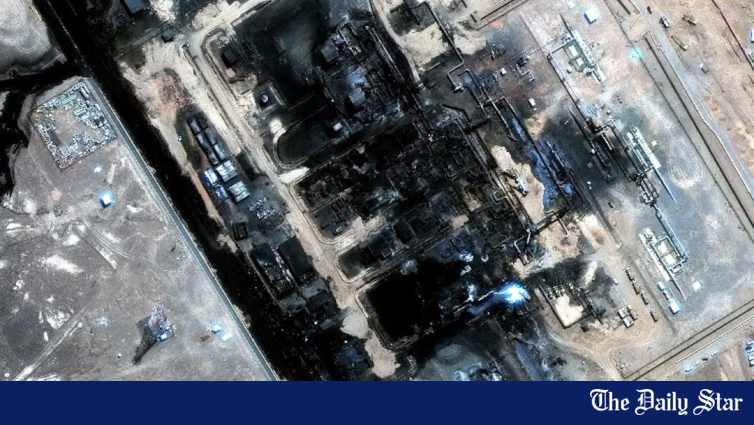
Explaining the recent gas shortage, Tarique said the disruption followed an accident at one of the country's two floating LNG terminals, affecting industries and other sectors. He said the government had already resolved the problem and was also working to expand LNG import capacity. "To address the supply deficit, we have taken an initiative to set up a third floating LNG terminal. The preparations for setting up another terminal on a G2G basis have largely been completed over the past month. The work will begin soon," the prime minister said.
He expressed hope that the third FSRU could be connected to the national gas supply system by December 2027. The December 2027 target for the third FSRU provides a specific timeline for what has been a long-anticipated expansion of Bangladesh's LNG import infrastructure. The country currently operates two FSRUs — Excelerate Energy's FSRU and Summit LNG's FSRU — with combined regasification capacity of approximately 1,000 mmcfd. A third FSRU would expand capacity by 500-750 mmcfd depending on the vessel specifications, materially narrowing the gap between gas demand and supply.
💰 Diversified Energy Framework With Solar Priority
State Minister for Power, Energy and Mineral Resources Aninda Islam Amit presented a paper titled Challenges and Future Roadmap of Bangladesh's Power and Energy Sector at the meeting. He said an energy crisis accumulated over 16 years could not be resolved overnight. Mahdi Amin outlined a production-oriented and integrated energy framework aimed at achieving greater self-sufficiency by diversifying energy sources.
"We want to diversify our power sector in the coming days so that we become self-sufficient in energy resources while giving the highest priority to solar energy," he said. The government wants to develop a diversified power generation system based on solar energy alongside oil, gas and coal, he said. The explicit prioritisation of solar energy — alongside oil, gas and coal rather than after them — represents a strategic shift in Bangladesh's energy mix narrative, aligning with the country's renewable energy targets under NDC 3.0.
📜 Inherited Problems And Implementation Timelines
Tarique described the current problems in the power and energy sector as "inherited problems", saying they could not be completely resolved within six months or a year. "But we have identified the problems, prepared plans and are now at the stage of implementing," he said. He said the government was working within specific timelines to restore normalcy in power and energy supplies, adding that successful implementation would benefit not only businesses and trade but also the overall economy.
"Anything needs time, from planning to implementation. The problems in the energy and power sector are inherited. It is not possible to solve them within six months or a year simply by wishing to do so," he added. The government presented tentative timelines for various planned activities to business leaders. Tarique said there could be adjustments during implementation, but the government had specific plans and timeframes.
🤝 Business Community Cooperation Sought
The prime minister sought cooperation from business leaders and media representatives in implementing the government's energy plans, warning that instability would ultimately hurt business, trade and the economy. He said any setback in the business and industrial sectors would have wider economic consequences, making the resolution of the energy crisis a national economic priority rather than merely a business concern.
Uninterrupted and adequate energy and power supplies are essential to achieving the target of turning Bangladesh into a $1 trillion economy by 2034, Tarique said, adding that the government had prepared long-term plans with that objective in mind. "There is no reason to be disappointed," he said, noting that the business community was already aware of the scale and complexity of the problems. The government had chosen to present the problems openly rather than conceal them and had also explained its plans for addressing them, he said.
"We wanted to let you know that we are working on this. So, there is no reason to be disappointed," he said. The prime minister urged the business community to support the government's plans if they considered them logical, saying successful implementation would benefit both businesses and the country as a whole.
🌏 Strategic Context: $1 Trillion Economy Vision
The $1 trillion economy by 2034 target — repeatedly cited by the prime minister — provides the strategic context for the energy sector reforms. Bangladesh's current GDP is approximately $450-500 billion, meaning the target implies roughly doubling the economy over the next 8 years. Achieving this trajectory requires sustained GDP growth of 8-9% annually — well above the 3.5-4.6% growth rates currently projected by IMF, World Bank and ADB for FY27.
The gap between current growth trajectories and the $1 trillion target underscores the urgency of structural reforms across multiple sectors — energy, banking, tax policy, infrastructure and education. Without reliable energy supply, the export-led growth strategy that has driven Bangladesh's development over the past two decades cannot be sustained at the pace needed to reach the $1 trillion milestone.
For the business community, the prime minister's assurances provide a degree of near-term visibility on energy supply that has been absent for months. If the September 15 supply improvement materialises as promised, industrial production can normalise — easing the pressure on export delivery schedules that has built up through the summer. The longer-term test will be whether the government's third FSRU timeline, solar expansion plans and energy diversification strategy translate into measurable capacity additions over the coming 18-24 months.
📜 What Comes Next
The coming days will reveal whether the September 15 supply improvement materialises as the prime minister promised. Industrial consumers across the country will be watching closely for restoration of gas pressure and electricity supply to pre-crisis levels. If the promise is kept, the meeting will be remembered as a turning point in the government's engagement with the business community on the energy crisis. If supply fails to improve as promised, the credibility of subsequent government assurances on energy policy will be significantly eroded.
The third FSRU timeline (December 2027), the solar energy expansion plans, and the broader energy diversification framework provide the structural agenda for the coming 18 months. Successful execution will require sustained political commitment, regulatory predictability and the mobilisation of significant private and concessional financing. The $1 trillion economy target provides the strategic anchor — but the energy sector's ability to deliver reliable, affordable and diversified supply will ultimately determine whether Bangladesh can sustain the growth trajectory needed to reach that milestone.
This news was originally published by The Business Standard. For the full original report, please visit: https://www.tbsnews.net/economy/energy/pm-chairs-meeting-power-energy-sector-challenges-1542196
Related on BangladeshExport
📬 Get Bangladesh Trade News in your inbox
Weekly digest of export industry news, policy updates, and market analysis.
📰 Related Stories