Bangladesh Bank Eases Forex Rules for Freelancers and IT Service Exporters
IT freelancers can retain 50% of export earnings in foreign currency; service exports up to $20,000 need no formal declaration; $10,000 per transaction via online payment gateways
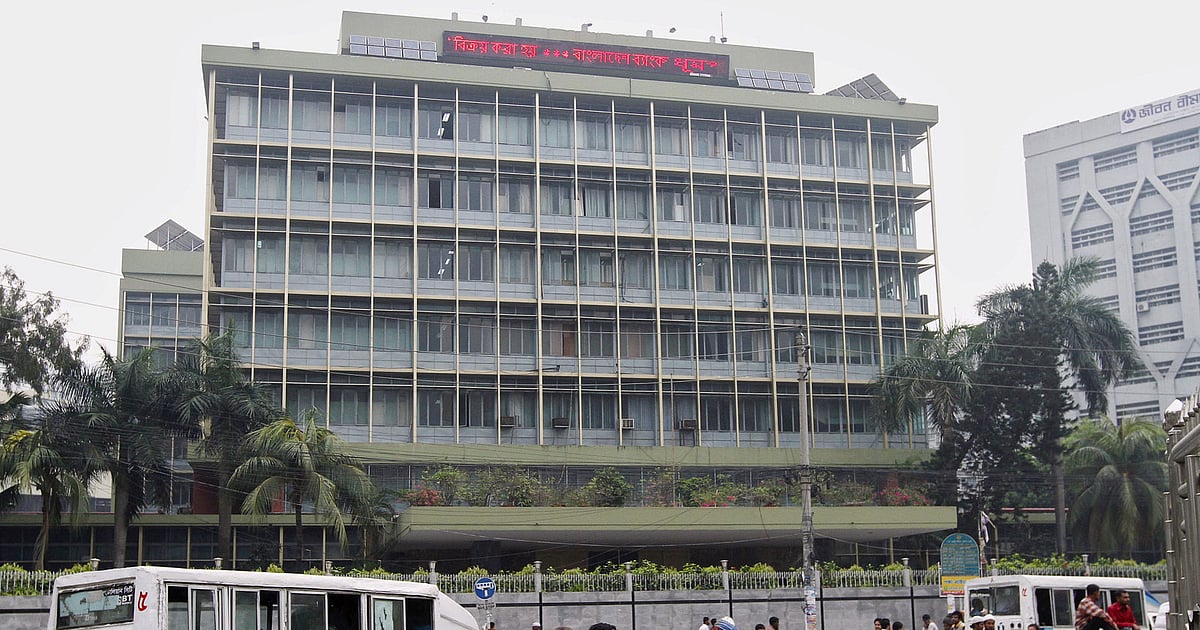
Dhaka, July 22, 2026 — Bangladesh Bank has introduced new measures to simplify foreign currency transactions for freelancers and individual service exporters, aiming to support the country's rapidly growing digital services sector. The move addresses long-standing complaints from IT freelancers who have been discouraged from using formal banking channels due to cumbersome documentation requirements. 💻
💰 Under the central bank's new guidelines, freelancers will now be able to receive foreign earnings based on electronic evidence such as platform statements, emails, and other forms of digital communication. This reduces reliance on conventional export documentation and brings the regulatory framework more in line with the realities of digital commerce.
📋 Key Changes — What's New for Freelancers
The Bangladesh Bank circular introduces several significant changes:
- 📄 $20,000 without formal declaration — Service export earnings of up to USD 20,000 can now be repatriated without submitting a formal declaration
- 💳 $10,000 per transaction via OPGSPs — Payments of up to USD 10,000 per transaction may be received through Online Payment Gateway Service Providers (OPGSPs)
- 🏦 Dual-currency "Freelancer Cards" — Banks can now issue dual-currency cards specifically for freelancers
- 📱 Expanded MFSP and PSP usage — Mobile Financial Service Providers and Payment Service Providers can be used more extensively
- 💵 50% foreign currency retention for IT freelancers — Under the Exporters' Retention Quota (ERQ) facility
- 💵 30% retention for other service exporters — Slightly lower than IT but still significant
💼 Why This Matters for IT Freelancers
Bangladesh has a thriving freelance economy, with hundreds of thousands of IT professionals earning foreign currency through platforms like Upwork, Fiverr, Freelancer.com, and direct client engagements. However, until now, many have been discouraged from using formal banking channels because of:
- 📋 Cumbersome documentation requirements — Traditional export documentation didn't fit digital services
- 💰 Difficulties in repatriating funds — Banks often rejected freelance earnings
- 🌐 Limitations in international payment systems — PayPal doesn't operate in Bangladesh, and alternatives were limited
- ⏰ Slow processing times — Banks took weeks to clear foreign payments
- 💵 Forced conversion to Taka — Freelancers couldn't hold USD to pay for international services
💵 The 50% Retention Quota — A Game Changer for IT Freelancers
One of the most significant changes is the 50% foreign currency retention quota for IT freelancers under the Exporters' Retention Quota (ERQ) facility. This means IT freelancers can now keep half of their export earnings in US dollars. 💰
🌍 Why this matters — freelancers need USD to pay for:
- ☁️ Cloud services — AWS, Google Cloud, Microsoft Azure subscriptions
- 💻 Software subscriptions — Adobe Creative Cloud, GitHub, JetBrains IDEs, etc.
- 📢 Online advertising — Google Ads, Facebook Ads for client work
- 🌐 Domain and hosting — International domain registrars and hosting providers
- 🔧 Developer tools — API subscriptions, SaaS tools, premium plugins
- 📚 Online courses — Coursera, Udemy, Pluralsight for skill development
Before this change, freelancers had to convert all earnings to Taka and then buy back USD at higher rates to pay for these services — a costly and inefficient process.
📊 Expected Impact on Forex Inflows
According to market insiders, if the new guidelines are implemented effectively, they could:
- 📈 Encourage more freelancers to use formal banking channels — Instead of informal hundi/hawala systems
- 💰 Increase foreign currency inflows — More earnings repatriated through official channels
- 📊 Enable accurate tracking of services exports — Better data for policymakers
- 💵 Boost forex reserves — IT services exports are non-debt-creating forex inflows
- 🌍 Support Bangladesh's IT export ambitions — The government has set a target of $5 billion IT exports by 2030
🌐 Bangladesh's Growing IT and Freelance Economy
Bangladesh has seen rising foreign exchange earnings from information technology and other digital services. The country is now one of the world's largest suppliers of freelance IT talent, with particular strength in:
- 💻 Web development — WordPress, Laravel, React, Vue.js
- 📱 Mobile app development — iOS, Android, Flutter
- 🎨 Graphic design — Logo design, brand identity, UI/UX
- 📊 Digital marketing — SEO, social media management, content marketing
- 🤖 AI and machine learning — Growing segment with global demand
- ⚙️ Software QA and testing — Manual and automated testing services
📅 The Bangladesh government has been actively supporting the freelance economy through:
- 🆔 Free ID cards for freelancers — Launched January 2026
- 💸 Tax exemptions for freelancers — Announced June 2026
- 🎓 Training programmes — Through the Department of Youth Development
- 🏦 Banking access — Dedicated freelancer bank accounts
🔍 Implementation Challenges to Watch
While the new guidelines are welcome, successful implementation will depend on:
- 🏦 Bank awareness and training — Many bank branches are still unfamiliar with freelancer transactions
- 📱 MFSP and PSP integration — Mobile financial service providers need to upgrade systems
- 📋 Clear documentation standards — What constitutes acceptable "electronic evidence"?
- ⏰ Processing speed — Banks must clear freelancer payments quickly
- 🤝 OPGSP partnerships — More international payment gateways need to be approved
- 📊 Monitoring and reporting — Bangladesh Bank needs to track uptake
🎯 What This Means for Bangladesh's Export Diversification
The freelance economy is a key pillar of Bangladesh's export diversification strategy. With RMG exports facing headwinds (US tariffs, EU competition, LDC graduation), the country needs to grow non-traditional export sectors. 💼
📈 The IT and IT-enabled services (IT-ITES) sector represents:
- 💰 High-value exports — Average revenue per freelancer is rising
- 🌍 Global market access — Not dependent on any single country
- 💼 Youth employment — Provides opportunities for educated young people
- 🔧 Skill development — Builds technical capacity in the workforce
- 💵 Non-debt forex inflows — Strengthens balance of payments
The Bangladesh Bank's new forex rules are a significant step toward unlocking the full potential of Bangladesh's freelance economy. If implemented effectively, they could help Bangladesh's IT services exports grow from the current ~$1 billion to the government's $5 billion target by 2030. 🚀
This news was originally published by Prothom Alo. For the full original report, please visit: https://en.prothomalo.com/business/kxdj36rq19
📬 Get Bangladesh Trade News in your inbox
Weekly digest of export industry news, policy updates, and market analysis.
📰 Related Stories