Over 55 Percent of Bangladesh Waterways Non-Functional, DCCI Warns Amid Logistics Cost Crisis
Dhaka Chamber warns canal network decline pushes 77% of freight onto costlier roads; government launches programme to excavate 20,000 km of canals nationwide

Dhaka, July 30, 2026 — More than half of Bangladesh's rivers and canals have lost their functionality, forcing around 77 percent of the country's freight transport onto roads, making logistics significantly more expensive and environmentally damaging. 🚢 This alarming finding was presented by the Dhaka Chamber of Commerce and Industry (DCCI) at a seminar titled "Reviving Bangladesh's Circular Waterways and the Role of Canal Excavation Programmes in Expanding Inland Water Trade" on Wednesday. 📊
📍 Historically, Bangladesh's canal network spanned 24,000 kilometres. Now, more than 55 percent of it is silted or encroached, according to DCCI. The condition of more than 1,415 rivers across Bangladesh has become "extremely alarming" following decades of neglect, unplanned encroachment, and siltation, said DCCI President Taskeen Ahmed, who presented the keynote paper. ⚠️
💰 Economic Impact: Waterways vs Roads
📊 DCCI President Taskeen Ahmed highlighted the significant economic advantages of waterway transport:
"Transporting goods by waterways costs 55 to 60 percent less than by road and is four to six times more fuel-efficient, reducing business operating costs substantially."
📈 For Bangladesh's export economy, this cost difference is significant:
- 💸 Cost savings — 55-60% lower transport costs via waterways
- ⛽ Fuel efficiency — 4-6 times more fuel-efficient than road transport
- 🌍 Environmental benefits — lower carbon emissions per tonne-km
- 📦 Export competitiveness — lower logistics costs improve export margins
- 🏭 Industrial supply chain — cheaper raw material transport for manufacturers
🎯 Ahmed emphasised: "There is no alternative to developing an integrated transportation network based on the 112-kilometre waterway connecting the four rivers surrounding Dhaka." 🏙️
🏛️ Government Response: 20,000 km Canal Excavation Programme
🚧 Water Resources Minister Shahid Uddin Chowdhury Annie addressed the seminar, acknowledging the crisis and announcing government action:
- 🏛️ Dhaka's canals — once the city's economic lifelines, now largely unusable due to encroachment and pollution
- 🚜 Canal excavation programme — government has launched a programme to excavate 20,000 kilometres of canals nationwide
- 🔗 Interconnectivity — ensuring interconnectivity among canals will be crucial to maximise benefits
- 👥 Local committees — formed comprising local government representatives and relevant agencies
- 🏭 Industrial waste — pledged stricter action against dumping, working on affordable ETP solutions for small industries
📊 The nationwide canal excavation programme holds significant promise, according to DCCI President Taskeen. If implemented successfully, it would contribute to:
- 🌊 Flood control — improved drainage and water management
- 🌾 Improved irrigation — better agricultural water supply
- 🏘️ Rural economy revival — river-based economic activities
- 📈 Stronger economic growth — through cheaper logistics
🔧 Expert Recommendations: Institutional Reform Needed
📋 During the panel discussion, several experts offered recommendations for waterway restoration:
🏗️ Architect Iqbal Habib — Vitti Sthapati Brindo Ltd / SAF
- 🌊 Uninterrupted river flow — avoid constructing low-height culverts and bridges
- 🏛️ 15 agencies involved — in river management without a single lead authority
- 📋 Dedicated institution — needed with clear authority and accountability
- 💪 Strengthen National River Conservation Commission
🎓 Mohammed Abed Hossain — BUET Institute of Water and Flood Management
- ⏱️ Project delays — caused by overlapping institutional responsibilities
- 📋 Clear mandates — need to define roles of relevant agencies
- 🗑️ Waste management policy — effective implementation needed for river conservation
📊 Md Taneem Sarwar — Institute of Water Modelling (IWM)
- 📏 River encroachment — rivers becoming narrower due to encroachment
- sediment Sedimentation — rivers losing navigability
- 🗺️ GIS technology — use Geographic Information Systems to demarcate river boundaries and monitor changes
🌍 Md Motaleb Hossain Sarker — CEGIS
- 🏛️ River management commission — establish effective oversight body
- 🤝 PPP model — attract investment under public-private partnership to modernise river infrastructure
📈 Impact on Bangladesh's Export Logistics
🏭 For Bangladesh's export economy, the decline of waterways has direct implications:
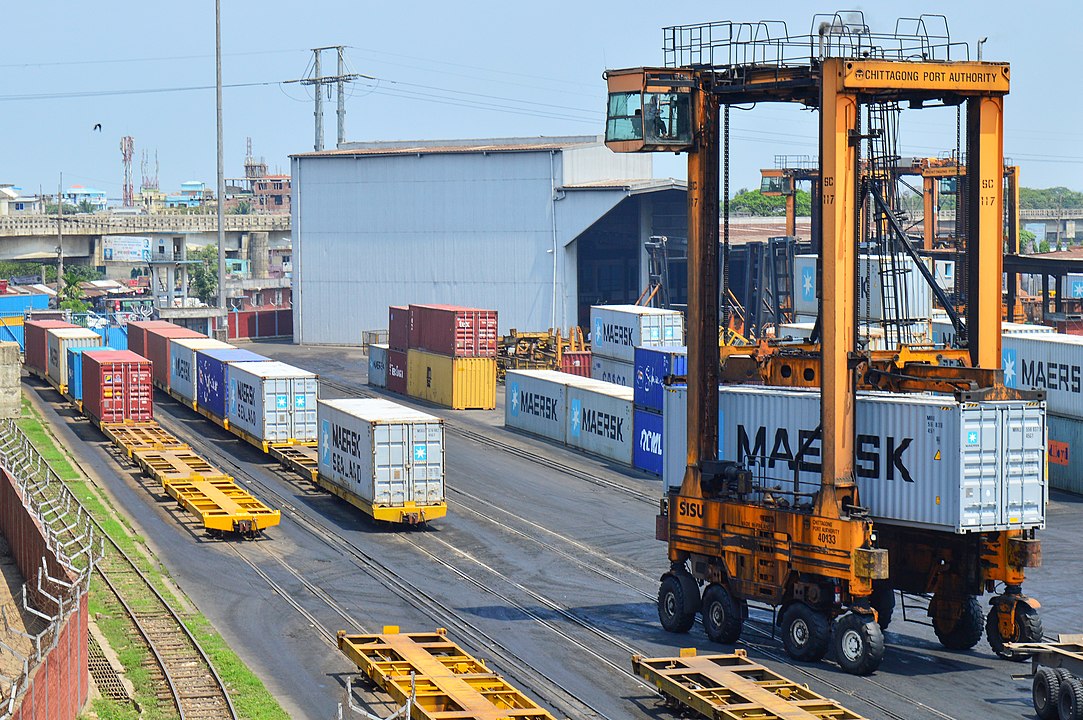
- 📦 RMG logistics — garment exports rely heavily on road transport to Chittagong port
- 💰 Higher costs — 77% of freight on roads means significantly higher logistics costs
- ⏱️ Delivery times — road congestion delays export shipments
- 🌍 Carbon footprint — road transport has higher emissions per tonne-km
- 🏭 Industrial competitiveness — higher logistics costs reduce export margins
📊 Reviving waterways could significantly reduce logistics costs for Bangladesh's export industries, particularly for:
- 👕 RMG sector — cheaper transport of raw materials and finished goods
- 🪢 Jute industry — traditional waterway-dependent sector
- 🧱 Construction materials — bulk transport via waterways
- 🌾 Agricultural products — cheaper transport to markets
🔮 Looking Ahead: Implementation Challenges
📋 The government's 20,000 km canal excavation programme is ambitious, but several challenges must be addressed:
- 🏛️ Institutional reform — establish a single lead authority for river management
- 🗺️ GIS mapping — use technology to demarcate and monitor waterways
- 🤝 PPP investment — attract private capital for infrastructure modernisation
- ⚖️ Enforcement — stricter action against encroachment and waste dumping
- 🔗 Interconnectivity — ensure canals connect to form an integrated network
🌐 DCCI President Taskeen called for effective planning and implementation, stronger coordination among government agencies, and greater private-sector investment in the inland water transport sector. If Bangladesh can revive its waterway network, the economic benefits — in terms of lower logistics costs, reduced environmental impact, and improved export competitiveness — would be substantial. 🚀
This news was originally published by The Daily Star. For the full original report, please visit: https://www.thedailystar.net/business/economy/news/over-55-waterways-no-longer-functional-dcci-4235751
📬 Get Bangladesh Trade News in your inbox
Weekly digest of export industry news, policy updates, and market analysis.
📰 Related Stories