Air Astra Adds Second ATR 72-600 to Boost Domestic Bangladesh Aviation Capacity
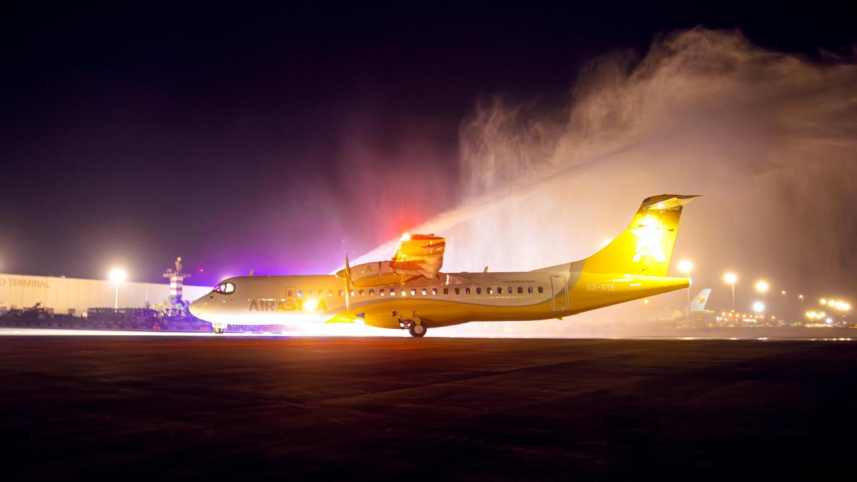
Dhaka, August 20, 2026 — Air Astra, Bangladesh's youngest private airline, has added a second new ATR 72-600 aircraft to its fleet — expanding its operations and improving domestic connectivity across key destinations in the country. The aircraft arrived at Hazrat Shahjalal International Airport (HSIA) in Dhaka on the evening of 19 August 2026, growing Air Astra's total fleet to five aircraft — a significant milestone for the country's rapidly evolving domestic aviation market.
📊 The Fleet Expansion at a Glance
- ✈ ATR 72-600 — second new addition (72-seat turboprop)
- 📅 19 August 2026 — aircraft arrived at HSIA, Dhaka
- 📏 5 aircraft total — Air Astra's fleet after the addition
- 👥 72 seats — capacity per ATR 72-600
- 🌐 Domestic connectivity — primary operational focus
- 🏛 Bangladesh's youngest private airline — Air Astra's market positioning
✈ Why ATR 72-600: The Turboprop Choice
The ATR 72-600 is a next-generation turboprop aircraft manufactured by ATR (Aerei da Trasporto Regionale, a joint venture between Airbus and Leonardo) — and is the world's best-selling regional turboprop in its class. The aircraft is specifically designed for short-haul regional routes and offers several advantages over jet aircraft for domestic Bangladesh operations:
- 💰 Fuel efficiency — turboprops consume roughly 40 percent less fuel per seat than comparable regional jets
- 💰 Lower operating costs — reduced maintenance requirements and lower fuel burn translate into lower CASK
- 🛣 Short-field capability — can operate from shorter runways, suitable for regional airports
- 🛣 Hot-and-high performance — reliable operation in Bangladesh's warm, humid climate
- ⏳ Quick turnaround — optimised for short ground times at regional airports
- 💰 Carbon emissions reduction — significantly lower per-passenger emissions than jet alternatives
- 💼 Passenger comfort — modern cabin with 72 seats in comfortable configuration
For Bangladesh's domestic routes — which typically involve short sectors (Dhaka to Chittagong, Sylhet, Cox's Bazar, Jessore, Barishal, Saidpur) of 30–60 minutes flight time — the ATR 72-600 is operationally ideal. The aircraft can economically serve routes that would be unprofitable with jet aircraft, making it suitable for connecting secondary cities to Dhaka and supporting Bangladesh's broader regional connectivity ambitions.
🏛 Bangladesh's Domestic Aviation Market Context
Bangladesh's domestic aviation market has been growing steadily over the past decade, driven by rising middle-class incomes, expanding business travel, and the limitations of alternative transport modes (road congestion, limited rail capacity). The market is served by several carriers:
- 🛢 Biman Bangladesh Airlines — state-owned flag carrier; operates Boeing 737-800 and Dash 8-Q400 aircraft
- 🛢 US-Bangla Airlines — largest private carrier; operates Boeing 737-800 and ATR 72-600
- 🛢 NovoAir — private carrier; operates ATR 72-500 and Embraer ERJ-145
- 🛢 Air Astra — youngest private carrier; now operating 5 ATR 72-600 aircraft
Air Astra's choice to operate an all-ATR 72-600 fleet positions it as a focused regional turboprop operator — differentiating it from competitors that mix jets and turboprops. This fleet strategy gives Air Astra operational simplicity (single aircraft type means lower training, maintenance, and spare parts inventory costs), fuel efficiency advantages, and the ability to economically serve short regional routes that may be marginal for jet operations.
🤝 Air Astra CEO Imran's Strategic Vision
"We remain committed to strengthening our fleet, expanding our network, and delivering a safe, reliable, and comfortable flying experience to our passengers," said Air Astra CEO Imran — articulating a strategy built on three pillars:
- 🛢 Fleet strengthening — adding modern, efficient aircraft to support capacity growth
- 🌐 Network expansion — connecting more destinations across Bangladesh
- 👥 Passenger experience — safety, reliability, and comfort as core service promises
The strategy is consistent with broader trends in regional aviation, where focused turboprop operators have successfully captured market share from legacy carriers by offering high-frequency, reliable service on short-haul routes. For Air Astra, the second ATR 72-600 addition provides the capacity needed to:
- ⏳ Increase flight frequency — on existing routes, offering passengers more choice
- 🌐 Launch new routes — to destinations not currently served
- 💼 Improve schedule reliability — with backup aircraft availability
- 💰 Achieve operating economies — through fleet commonality and scale
- 💼 Build pilot and cabin crew career paths — in a growing airline
🌐 Strategic Significance for Bangladesh's Aviation and Connectivity
Air Astra's fleet expansion carries significance beyond the airline's commercial strategy — contributing to several broader national objectives:
- 🌐 Domestic connectivity — improved air links between Dhaka and regional cities support economic integration
- 💼 Tourism development — better air access to Cox's Bazar, Sylhet, and other tourist destinations
- 🏭 Business travel efficiency — reduces time costs for business travellers, supporting economic activity
- 💰 Employment creation — airline growth creates direct (pilots, cabin crew, ground staff) and indirect (tourism, hospitality) jobs
- 🚢 Aviation sector competitiveness — stronger private carriers improve Bangladesh's overall aviation ecosystem
- 🌏 Regional aviation leadership — positioning Bangladesh as a model for South Asian regional aviation
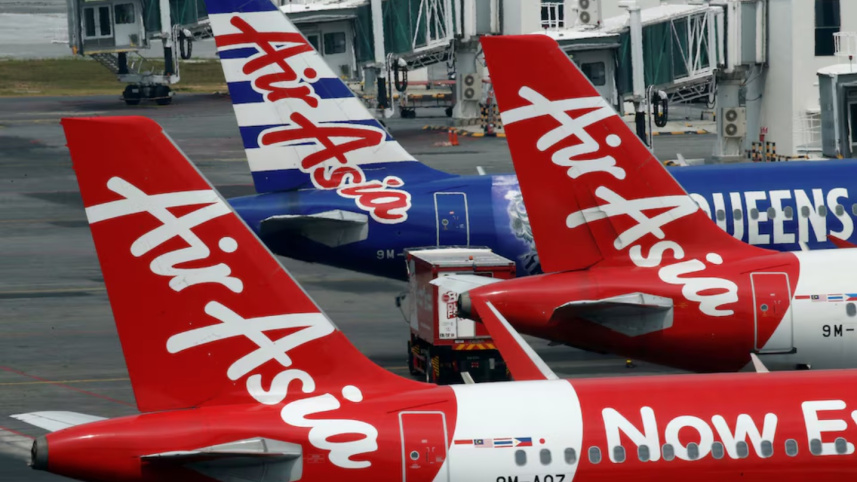
The expansion also aligns with the BNP government's broader connectivity agenda — including the AirAsia cooperation discussions for ground handling and airport management, the Bangladesh-Malaysia tourism cooperation initiative, and the broader aviation modernisation programme that includes new airport capacity and air service agreement renegotiations. A stronger domestic carrier ecosystem complements these initiatives by ensuring that international capacity expansion is matched by domestic feeder traffic — making Dhaka more viable as a regional hub.
💰 Aircraft Financing and Capital Investment
The addition of a second new ATR 72-600 represents a significant capital investment by Air Astra — with each new ATR 72-600 typically listing at approximately $26–30 million per aircraft, though airlines usually acquire through lease or finance arrangements. The investment reflects Air Astra's confidence in the medium-term growth trajectory of Bangladesh's domestic aviation market, despite the broader economic challenges facing the country (inflation, energy crisis, banking stress).
For the aviation sector, the investment also signals continued access to international aircraft financing — with lessors (such as ATR's captive leasing arm, Nordic Aviation Capital, and others) maintaining confidence in Bangladeshi carrier creditworthiness. This is important in a market where international lessors have sometimes been cautious due to historical episodes of airline financial distress and the broader country risk perception.
🌐 The Bigger Picture: Bangladesh's Aviation Modernisation
Air Astra's fleet expansion joins a broader pattern of aviation modernisation initiatives in Bangladesh — including:
- 🛢 US-Bangla Airlines fleet renewal — ongoing evaluation of wide-body aircraft for international expansion
- 🛢 Biman Bangladesh Airlines — Boeing 787 Dreamliner fleet and Boeing 777-300ER operations
- 🛢 NovoAir — ATR 72-500 and Embraer ERJ-145 operations
- 🚧 HSIA Terminal 3 expansion — new third terminal at Dhaka airport to expand capacity
- 🚧 New Bangabandhu International Airport — planned greenfield airport project
- 🤝 AirAsia cooperation — discussions on ground handling and airport management investment
- 💼 Aviation training infrastructure — building local pilot, cabin crew, and engineering capacity
For Air Astra CEO Imran and his team, the second ATR 72-600 addition is both a milestone and a signal — a milestone marking the airline's growth to a five-aircraft fleet, and a signal of confidence in Bangladesh's domestic aviation market despite the broader economic headwinds. The next phase of growth will likely involve continued fleet expansion (with potentially a third or fourth ATR 72-600 in coming years), route network development (potentially including international short-haul routes to neighbouring Indian, Nepalese, or Myanmar destinations), and operational maturity (including potential codeshare agreements with international carriers). For the millions of Bangladeshis who travel domestically each year for business, family, tourism, and pilgrimage, the expansion of Air Astra's fleet offers more choice, better frequency, and improved service quality — a meaningful contribution to the country's connectivity and economic integration as the BNP government pursues its broader aviation modernisation agenda.
This news was originally published by The Daily Star. For the full original report, please visit: https://www.thedailystar.net/business/news/air-astra-adds-second-atr-72-600-boost-capacity-4252506
📬 Get Bangladesh Trade News in your inbox
Weekly digest of export industry news, policy updates, and market analysis.
📰 Related Stories