Norway Eyes Bangladesh Renewable Energy And Offshore Investment
Norwegian Ambassador Håkon Arald Gulbrandsen signals interest in offshore renewables, green technology and exploration bids during meeting with Power and Energy Minister Iqbal Hassan Mahmood
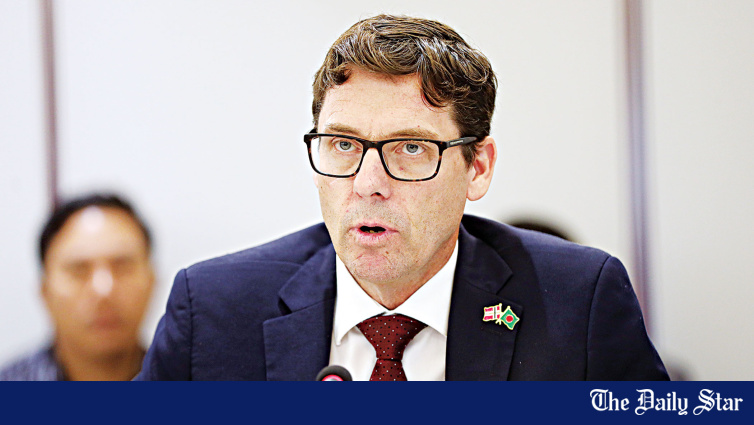
🌏 Norwegian Ambassador to Bangladesh Håkon Arald Gulbrandsen yesterday expressed interest in renewable energy, offshore exploration and green investment in Bangladesh during a courtesy call on Iqbal Hassan Mahmood, minister for power, energy and mineral resources, at his office at the Secretariat. The meeting signals a potentially significant expansion of Nordic commercial engagement in Bangladesh's clean energy transition, particularly in offshore wind and solar power generation.
📊 "Norway's interest is in further deepening relations with Bangladesh in trade, investment and technical cooperation, particularly in offshore renewable energy and green technology," the envoy said during the meeting. He also expressed his government's interest in exploring further areas of cooperation in these sectors and strengthening bilateral ties between the two countries — language that suggests active commercial intent rather than routine diplomatic engagement.
During the meeting, the minister sought technical and financial cooperation from the Norwegian government to strengthen transparency and improve efficiency in the power sector, as well as to reduce system losses. Bangladesh's power sector has long struggled with transmission and distribution losses that exceed international benchmarks, and Norwegian expertise in grid modernisation and renewable integration could provide tangible solutions.
📜 Bilateral Cooperation Roadmap
Bangladesh welcomes greater participation by the Nordic countries in achieving its renewable energy targets and strengthening the country's energy security, the minister told the ambassador. The meeting also explored possibilities for expanding technology transfer, technical training and financial cooperation in line with Bangladesh's renewable energy roadmap — which targets 20% renewable electricity by 2030 and a substantial scale-up of solar and wind capacity over the next decade.
The two sides also discussed various aspects of bilateral cooperation and Norway's ongoing engagement in Bangladesh's clean energy transition, including participation in offshore bidding and investment in the renewable energy and solar power sectors. The mention of offshore bidding is particularly significant: Bangladesh has been preparing to launch its first offshore oil and gas exploration rounds in the Bay of Bengal, and Norwegian companies — with deep-water drilling expertise from the North Sea — could emerge as natural partners.
Alexander Falck-Bilden, deputy head of mission of the Norwegian embassy, and Sayeed Muntasir Bayzid, economic and trade adviser at the embassy, accompanied the ambassador — signalling the commercial and economic focus of the engagement. Md Ziaul Haque, secretary of the Energy Division, was also present at the meeting, along with other officials from the ministry and the Norwegian embassy.
- 📍 Focus sectors: Offshore renewable energy, green technology, solar power
- 💰 Investment scope: Offshore bidding, renewable energy capacity, technology transfer
- 🏛 Minister's request: Technical cooperation for transparency and system loss reduction
- 🌏 Bangladesh target: 20% renewable electricity by 2030
- 🤝 Diplomatic engagement: Courtesy call at Power and Energy Ministry, Secretariat
💰 Why Norway Matters For Bangladesh's Energy Transition
Norway brings a unique combination of assets to Bangladesh's energy transition. The country is a global leader in offshore energy engineering — both in oil and gas extraction from the North Sea and in the rapidly growing offshore wind sector. Norwegian state energy company Equinor operates in over 30 countries and has been actively diversifying its portfolio into renewables, with offshore wind investments across Europe, the United States and Asia. Norwegian technology firms including Aker Solutions, Kongsberg and DNV GL are global leaders in offshore engineering, subsea systems and maritime classification.
For Bangladesh, this expertise is directly relevant to two strategic priorities. First, the country's offshore bidding rounds in the Bay of Bengal require deep-water drilling technology that Bangladeshi state-owned companies do not yet possess — making partnerships with Norwegian firms commercially attractive. Second, Bangladesh's long coastline and the shallow waters of the Bay of Bengal offer significant potential for offshore wind generation, an area where Norwegian engineering firms have global leadership.
Beyond offshore energy, Norway's sovereign wealth fund — the world's largest at over $1.5 trillion in assets — has been increasing its allocation to green investments in emerging markets. While the fund operates independently of the Norwegian government's bilateral diplomacy, the ambassador's pitch on green investment suggests an ecosystem-level engagement strategy: Norwegian commercial investors, technology firms and the sovereign wealth fund could all find opportunities in Bangladesh's renewable energy build-out.
🌾 Bangladesh's Renewable Energy Ambitions
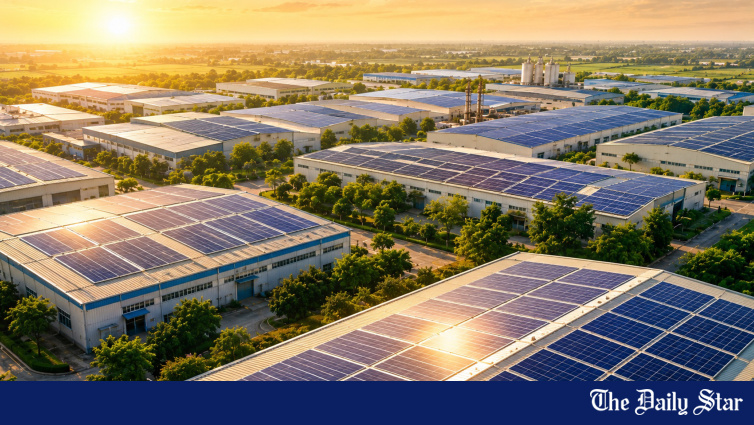
Bangladesh's renewable energy roadmap targets 20% of electricity generation from renewable sources by 2030, up from approximately 5% today. The country has been scaling up solar capacity — including rooftop solar on industrial facilities, large-scale solar parks and floating solar on reservoirs — but progress has been slower than the target trajectory requires. Wind energy, particularly offshore wind, remains largely untapped despite favourable resource conditions in the Bay of Bengal.
The country's energy transition is strategically significant for its export economy. Bangladesh's ready-made garment (RMG) sector — which accounts for over 84% of merchandise exports — faces increasing pressure from international buyers to demonstrate supply chain decarbonisation. Brands including H&M, Inditex, Primark and Marks & Spencer have set Science Based Targets initiative (SBTi) commitments that require supplier factories to transition to renewable electricity. Without a credible renewable energy build-out, Bangladesh risks losing market share to competitors like Vietnam and Cambodia that have made faster progress on clean energy deployment.
🏛 System Loss Reduction: A Quiet Strategic Priority
Minister Iqbal Hassan Mahmood's request for Norwegian cooperation on system loss reduction highlights a less visible but commercially significant priority for Bangladesh's power sector. Transmission and distribution losses in the national grid have historically exceeded 12% — well above international benchmarks of 5-8% — costing the sector thousands of crores of taka annually in lost revenue and wasted generation capacity.
Norwegian grid modernisation expertise, particularly in smart metering, distribution automation and grid digitalisation, could deliver meaningful efficiency gains. Norwegian state-owned utility Statnett has been a global leader in transmission system operator modernisation, and bilateral cooperation could open doors for commercial partnerships between Bangladeshi utilities and Norwegian grid technology firms.
🌏 What Comes Next
The courtesy call is the formal start of what is likely to be a sustained bilateral engagement on energy. The coming months will reveal whether Norwegian commercial interest translates into concrete investment commitments, technology transfer agreements or participation in Bangladesh's offshore bidding rounds. For an economy racing to scale renewable energy ahead of LDC graduation in November 2026 — and amid intensifying global pressure on export manufacturers to decarbonise — Norwegian engagement could not be more timely.
For Bangladesh's broader FDI strategy, the Norwegian ambassador's pitch demonstrates the country's appeal as a clean energy investment destination. With bilateral relationships now being actively built with Norway, Denmark, Germany and other European clean energy leaders, Bangladesh is positioning itself as a serious player in the global renewable energy investment landscape — provided the political will to translate diplomatic interest into commercial outcomes is sustained.
This news was originally published by The Daily Star. For the full original report, please visit: https://www.thedailystar.net/business/economy/news/norway-keen-invest-bangladesh-renewables-4269841
📬 Get Bangladesh Trade News in your inbox
Weekly digest of export industry news, policy updates, and market analysis.
📰 Related Stories