Gold Price Rises Over 2% to One-Month High on Iran Peace Hopes
Spot gold at $4,164.13/oz (+2.2%), US futures $4,223.60; Trump says "very good discussions" with Iran; Fed rate hike odds drop to 59% from 67%
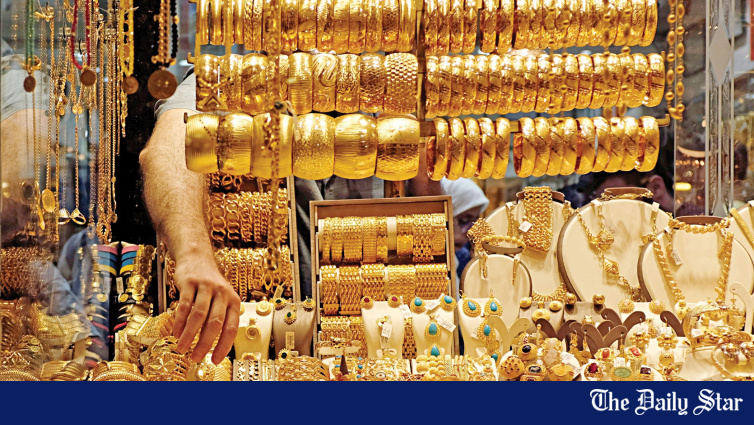
London, August 5, 2026 — Gold rose more than 2 percent on Wednesday to a one-month high as hopes of a US-Iran peace deal tempered some inflation concerns, while investors awaited key US jobs data for clues on the Federal Reserve's policy path.
Spot gold climbed 2.2 percent to $4,164.13 per ounce by 0836 GMT, its highest level since July 7. US gold futures rose 1.7 percent to $4,223.60. The precious metal's rally was driven by a combination of geopolitical de-escalation hopes, a weaker dollar, and falling Treasury yields — all of which made non-yielding gold more attractive to investors seeking safe-haven assets.
🤝 Iran Peace Hopes Drive Rally
US President Donald Trump said his administration had "very good discussions" with Iran during all-day negotiations on Tuesday, fuelling expectations of an imminent end to the five-month conflict. The optimism around diplomatic progress with Iran — even as Tehran later denied that formal peace talks were underway — was sufficient to shift market sentiment in gold's favour.
"There are increasing signs of a Gulf ceasefire deal, which means Treasury yields are moving lower on easing inflation worries, which helps make non-yielding assets like gold more attractive," said one market analyst. The logic is straightforward: if the Iran war ends, energy prices will fall, inflation will ease, the Fed will have less reason to raise interest rates, and gold (which competes with interest-bearing assets) becomes more attractive.
The US dollar remained under pressure, making greenback-priced metals more attractive to holders of other currencies, while yields on the benchmark 10-year US Treasury note fell to a one-week low. Gold tends to lose its appeal in a high interest-rate environment despite its status as an inflation hedge, as it yields no interest — meaning that any signal of potential rate stability or cuts tends to boost gold prices.
📊 Fed Rate Hike Odds Shift
- 💰 Spot gold: $4,164.13/oz (+2.2%, one-month high since July 7)
- 💰 US gold futures: $4,223.60 (+1.7%)
- 📉 September rate hike odds: 59% (down from 67% a day earlier)
- 📉 US dollar: Under pressure
- 📉 10-year Treasury yield: One-week low
Traders are now pricing in a 59 percent probability of a September rate hike, down from 67 percent a day earlier, according to the CME FedWatch Tool. The 8-percentage-point drop in rate hike expectations in a single day reflects how quickly market sentiment can shift in response to geopolitical developments. The shift suggests that markets are beginning to price in a scenario where the Iran peace deal leads to lower energy prices, which in turn reduces inflation pressure and gives the Federal Reserve room to pause its tightening cycle.
🏛️ Fed Official: Inflation Still "Too High"
Meanwhile, Federal Reserve Bank of Kansas City President Jeff Schmid said on Tuesday that some sort of monetary policy tightening is needed to get "too high" inflation back to the 2 percent target. "Concerns about the Fed's credibility will probably ease as the central bank raises interest rates over the coming months. That would result in gold prices falling and settling below $4,000 per ounce eventually," Schmid cautioned.
The Kansas City Fed president's comments offer a counter-narrative to the current bullish gold sentiment. If the Fed continues raising rates — as Schmid advocates — the higher-yield environment would make gold less attractive, potentially reversing the current rally. The tension between market expectations (which are pricing in lower rate hike odds) and Fed officials (who are advocating continued tightening) creates an uncertain outlook for gold prices in the coming months.
📋 Strategic Context for Bangladesh
For Bangladesh, gold price movements matter in two ways. First, higher international gold prices feed through to domestic jewellery prices, affecting consumer demand during wedding seasons and major festivals like Eid. Bangladesh has a significant domestic gold market driven by cultural and religious traditions, and price increases directly impact household spending patterns.
Second, gold's rally reflects broader market expectations of easing inflation pressure — if those expectations are correct and global inflation does moderate, Bangladesh could see some relief from imported inflation, particularly through lower energy prices if the Iran peace deal holds. The Bangladesh Bank's Q4 inflation report showed headline inflation at 9.21 percent, with energy inflation at 17 percent — figures that would benefit significantly from any sustained decline in global energy prices.
However, the 59 percent probability of a September Fed rate hike means that the dollar is likely to remain relatively strong, continuing to pressure emerging market currencies including the taka. The Bangladesh Bank's report showing the taka as one of the most stable currencies in South Asia (only 0.59 percent depreciation) is encouraging, but a stronger dollar driven by Fed rate hikes could test that stability. The gold market's current optimism should be treated cautiously: as the Kansas City Fed president noted, if the Fed continues raising rates to combat inflation, gold could fall back below $4,000 — reversing the current rally and potentially signalling that the inflation fight is far from over. For Bangladesh's policymakers, the gold price rally is a useful barometer of market inflation expectations, but it should not be interpreted as confirmation that the global inflation cycle has ended.
This news was originally published by The Daily Star. For the full original report, please visit: https://www.thedailystar.net/business/global-economy/news/gold-price-rises-over-2-4240891
📬 Get Bangladesh Trade News in your inbox
Weekly digest of export industry news, policy updates, and market analysis.
📰 Related Stories