BGMEA Leaders Meet PM Tarique Rahman to Tackle Gas, Port and Tax Issues
Apparel exporters win promises of a high-level committee, an 18-month energy fix window and a swift call on a third FSRU.
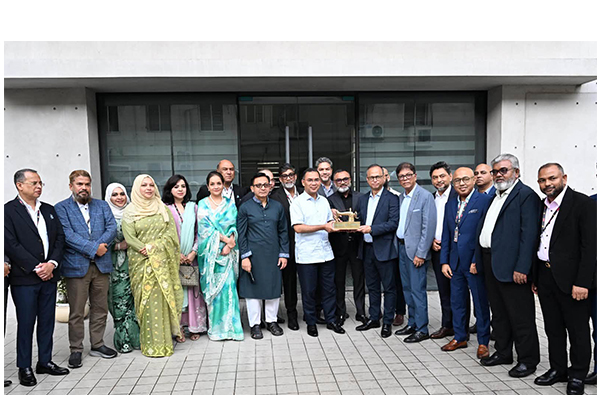
👕 The Bangladesh Garment Manufacturers and Exporters Association (BGMEA) walked into Ganabhaban on July 22, 2026 with a clear checklist: fix the gas, clear the ports and ease the tax friction that has been quietly choking the country's biggest export engine. Led by President Mahmud Hasan Khan, the delegation left with something exporters have been waiting months to hear — a high-level committee, an 18-month energy improvement timeline and a pledge to decide on a third Floating Storage and Regasification Unit (FSRU) within a month.
What Was on the Table 📋
The garment sector, which anchors more than 80% of Bangladesh's merchandise shipments, has spent much of FY2026 squeezed between uneven utility supply and rising compliance costs. BGMEA's leadership placed three pain points squarely before Prime Minister Tarique Rahman:
- ⚡ Gas and electricity supply: Intermittent pressure at factories has forced some units to delay shipment schedules and absorb premium LNG costs.
- 🚢 Port congestion: Turnaround times at Chittagong have stretched, adding working-capital pressure on manufacturers already navigating thin margins.
- 🧾 NBR challenges: Delayed VAT refunds and documentation friction are tying up cash that exporters say should be reinvested in capacity and green compliance.
The PM's Response 🇧🇩
According to the BGMEA readout, the Prime Minister acknowledged the urgency and moved quickly. A high-level committee will be formed to coordinate across ministries, energy regulators and port authorities, with a mandate to deliver measurable improvements inside an 18-month window.
The most concrete near-term commitment was on LNG infrastructure. A decision on whether to commission a third FSRU — seen as critical to lifting regasification capacity and stabilising winter supply — will be taken within a month, the PM's office confirmed.
Why It Matters for Exporters 💡
Energy reliability has become the single biggest swing factor for Bangladesh's apparel competitiveness. Buyers in the EU and US have been watching the country's utility stability closely as they weigh post-LDC sourcing strategies, and any perception of supply risk pushes orders toward competitors in Vietnam, Cambodia and India.
For BGMEA, the meeting also offered a chance to frame the conversation around the broader LDC graduation timeline. With preferential margins set to narrow after 2026, exporters argue that input cost stability is the only way to defend volume.
Industry Reaction 🗣️
Factory owners welcomed the structured response but stressed that delivery — not announcements — will rebuild confidence. Several mid-sized knitwear producers told BangladeshExport that they had already deferred expansion plans for the second half of 2026 pending clarity on gas availability.
"We have heard timelines before," one Dhaka-based exporter said. "What the sector needs now is visible progress on the ground: meters showing steady pressure, vessels clearing faster, refunds landing in days, not months."
What Comes Next ⏭️
- 📅 The high-level committee's composition is expected to be announced within weeks.
- ⛽ A third FSRU decision is due inside the 30-day window the PM set.
- 📦 BGMEA will continue tracking port dwell time and NBR refund cycles as headline KPIs.
For now, the delegation's visit has reset the dialogue between the apparel lobby and the government. Whether the next 18 months deliver the promised relief will shape not just BGMEA's mood but Bangladesh's entire export trajectory heading into the post-LDC era. 🌏
This news was originally published by BGMEA. For the full original report, please visit: https://www.bgmea.com.bd/page/BGMEA_Delegation_Meets_Hon%27ble_Prime_Minister
📬 Get Bangladesh Trade News in your inbox
Weekly digest of export industry news, policy updates, and market analysis.
📰 Related Stories