BGMEA Flags AI, Skilled Workforce, and Leadership as Pillars of Apparel Sector Growth
Industry association identifies three strategic priorities for Bangladesh to remain competitive in a technology-driven global apparel market
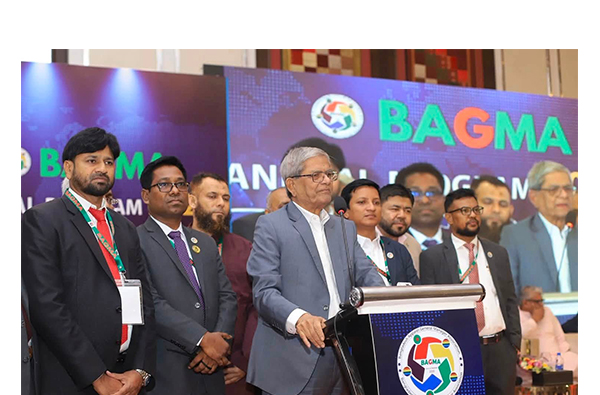
BGMEA has identified artificial intelligence adoption, workforce skill development, and next-generation leadership as the three strategic pillars required to sustain Bangladesh's apparel export competitiveness in a rapidly technology-driven global market.
Three Strategic Priorities for the Next Decade
The Bangladesh Garment Manufacturers and Exporters Association (BGMEA) has identified three strategic priorities — artificial intelligence (AI) adoption, skilled workforce development, and next-generation leadership — as the foundational pillars required to sustain and grow Bangladesh's apparel export competitiveness over the next decade. The announcement came during a high-profile industry event that brought together factory owners, technology providers, and skills training institutions.
AI Adoption is No Longer Optional
BGMEA leadership emphasised that artificial intelligence is no longer a futuristic concept for the apparel sector — it is an operational necessity. From AI-powered design and pattern-making tools that reduce fabric waste, to predictive maintenance systems that minimise machine downtime, to computer-vision quality inspection that catches defects faster than human inspectors, AI is reshaping every stage of garment manufacturing. Factories that fail to adopt these technologies risk being undercut on cost, quality, and lead time by competitors in Vietnam, India, and Türkiye.
Skilled Workforce as the True Moat
While technology can be purchased, the skilled workforce required to operate it cannot. BGMEA highlighted that Bangladesh's apparel sector faces a structural skills gap, particularly in mid-management technical roles such as industrial engineers, data analysts, mechatronics technicians, and sustainability compliance officers. The association called for expanded partnerships with technical universities, on-the-job apprenticeship programmes co-financed by factories, and the integration of AI and automation modules into the curriculum of textile engineering programmes.
Next-Generation Leadership
The third pillar — leadership — reflects the generational transition underway in many Bangladeshi family-owned garment businesses. Second- and third-generation leaders, often educated abroad and exposed to global best practices, are taking over operations. BGMEA stressed the importance of supporting this transition through structured leadership development programmes, peer-learning networks among next-gen leaders, and succession planning advisory services to ensure business continuity and innovation.
This news was originally published by BGMEA. For the full original report, please visit: https://www.bgmea.com.bd/page/BGMEA_Highlights_AI,_Skilled_Workforce_and_Leadership_for_Apparel_Sector_Growth
Related on BangladeshExport
📬 Get Bangladesh Trade News in your inbox
Weekly digest of export industry news, policy updates, and market analysis.
📰 Related Stories