Bangladesh Bank and PKSF Sign Tk 5,000cr Deal to Create 200,000 Jobs in Microenterprises
Dhaka, August 19, 2026 — Bangladesh Bank (BB) and the Palli Karma-Sahayak Foundation (PKSF) today signed a Tk 5,000 crore agreement to accelerate economic activities at the grassroots level and create sustainable employment through increased financing for microenterprises. The five-year financing programme will support micro-enterprises through loans, business-cluster development, and skills training, with the fund to operate on a revolving basis to sustain financing at the grassroots.
📊 The Deal at a Glance
- 💰 Tk 5,000 crore — total fund size
- 👥 200,000 jobs — target employment creation
- 📅 Five-year programme — implementation period
- 🔄 Revolving fund — continuous flow of finance
- 🏭 Microenterprise sector — primary target beneficiaries
💼 Signing Ceremony
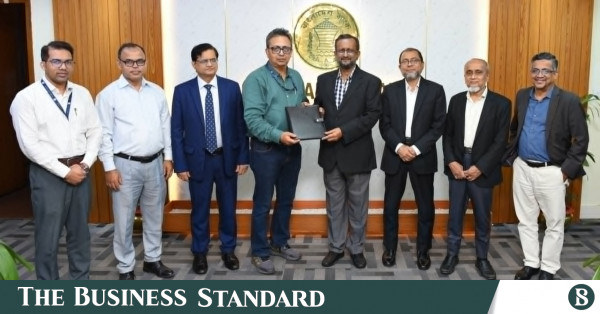
The agreement was signed at Bangladesh Bank headquarters in Dhaka in the presence of:
- 👥 BB Deputy Governors — Md Kabir Ahmed and Md Anis Ur Rahman
- 👥 BB Director — Nawshad Mustafa
- 👥 PKSF Managing Director — Md Fazlul Kader
- 👥 PKSF Deputy Managing Director — Akond Mohammad Rafiqul Islam
- 👥 PKSF Senior General Manager — AKM Nuruzzaman
🏢 Three Core Components
The programme will be implemented through three core components:
- 💰 Financial services — ensuring increased access to finance for targeted microenterprises
- 🏭 Business-cluster-based value chain development — supporting promising business clusters across the country
- 🎓 Skills development for entrepreneurs — training and capacity building
🔄 Revolving Fund Model
To meet growing demand at the grassroots level and ensure the optimal use of the fund, the incentive fund will be operated as a revolving fund. This will ensure a continuous flow of finance and help transform the country's microenterprise sector into one of the key engines of inclusive economic growth.
📅 Background
Bangladesh Bank announced the Tk 5,000 crore special incentive fund on May 23, 2026, for implementing specialised programmes through PKSF aimed at accelerating employment generation. PKSF has completed all preparations to implement a nationwide programme using the fund. The programme seeks to create employment in the microenterprise sector by ensuring increased access to finance for targeted microenterprises, alongside other necessary forms of support.
🌐 Strategic Context
The BB-PKSF deal represents one of the largest targeted microenterprise financing programmes in Bangladesh's history. The focus on microenterprises is strategically important because:
- 👥 Employment intensity — microenterprises are the most labour-intensive sector per taka invested
- 🌾 Rural economy — microenterprises are predominantly rural, supporting inclusive growth
- 💰 Revolving sustainability — repaid loans re-enter the fund, creating multiplier effect
- 🏭 Export supply chain — microenterprises feed into backward linkages for RMG and other export sectors
- 💼 SME development — microenterprises are the pipeline for future SMEs
The revolving fund model is particularly significant — unlike one-time grants or subsidies, the Tk 5,000 crore will continuously cycle through microenterprise lending, creating a sustainable financing mechanism that can support far more than 200,000 jobs over its lifetime as repaid loans are re-lent to new entrepreneurs. This approach aligns with PKSF's established microfinance model, which has demonstrated strong repayment rates and development impact over its decades of operation in Bangladesh.
The partnership between Bangladesh Bank and PKSF leverages the respective strengths of both institutions. BB brings the financial resources and macroeconomic oversight, while PKSF brings its extensive grassroots network of partner organisations — over 300 microfinance institutions and development organisations that operate across all 64 districts of Bangladesh. This network gives PKSF unparalleled reach into rural and peri-urban communities where formal commercial banks have limited presence, making it the ideal channel for delivering microenterprise financing at scale.
The focus on business-cluster development also reflects a shift from individual lending to ecosystem-level support. Rather than financing isolated microenterprises, the programme will identify and develop clusters of related businesses — such as handloom weavers in Tangail, ceramic producers in Bogura, or agro-processors in Jessore — providing coordinated financing, skills training, and value chain development support that can transform entire local economies. This cluster approach has been successfully demonstrated in countries like Vietnam and Thailand, where targeted cluster development has created globally competitive microenterprise ecosystems that contribute significantly to export diversification.
For Bangladesh's broader economic strategy, the BB-PKSF deal supports several policy objectives simultaneously: employment generation (200,000 jobs), financial inclusion (microenterprise access to finance), rural development (grassroots focus), skills development (entrepreneur training), and inclusive growth (revolving fund model). The programme's alignment with the GED's five-year transformation plan — which emphasises microenterprise development as a key driver of employment — suggests that this deal may be the first of several large-scale financing initiatives aimed at building the grassroots economic foundation needed to support the government's ambitious 8.5 percent GDP growth target by 2031. If successful, the programme could serve as a model for future large-scale microenterprise financing initiatives across South Asia.
This news was originally published by The Business Standard. For the full original report, please visit: https://www.tbsnews.net/economy/bb-pksf-sign-tk5000cr-deal-create-200000-jobs-1519791
Related on BangladeshExport
📬 Get Bangladesh Trade News in your inbox
Weekly digest of export industry news, policy updates, and market analysis.
📰 Related Stories