Bangladesh Lubricant Prices Climb As Middle East Crisis Squeezes Market: TBS Report
Lubricant prices in Bangladesh have risen sharply as the Middle East crisis disrupts global supply chains, affecting both imported base oils and finished lubricant products in the domestic market.
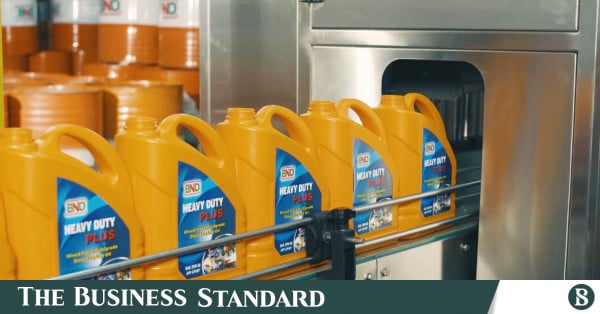
Dhaka, September 29, 2026 — Lubricant prices in Bangladesh have risen sharply as the Middle East crisis disrupts global supply chains, affecting both imported base oils and finished lubricant products in the domestic market. The price increase adds to the mounting cost pressures on Bangladesh's transport, industrial, and agricultural sectors.
📊 Impact On Bangladesh's Lubricant Market
Bangladesh's lubricant market is heavily dependent on imports — both base oils (for local blending) and finished lubricant products. The Middle East crisis has affected:
- ⛽ Base oil imports — global supply disruptions have pushed up base oil prices
- ⛽ Finished lubricant imports — brands from Middle Eastern and Asian suppliers face higher costs
- ⛽ Shipping costs — Strait of Hormuz disruption increases freight rates
- ⛽ Insurance premiums — conflict-related risk premiums on shipments
💼 Bangladesh's Lubricant Sector
Bangladesh's lubricant market comprises:
- 🏭 Local blenders — companies that import base oil and blend it into finished lubricants locally
- 🏭 Imported brands — fully formulated lubricants imported from international suppliers
- 🏭 Major players: Mobil, Shell, Castrol, Total, Caltex, locally blended brands
- 🏭 Market size: approximately 100,000-150,000 tonnes per year
- 🏭 Key consumers: transport sector (largest), industrial machinery, agriculture, power generation
🚚 Impact On Transport And Industry
The lubricant price increase compounds the effects of the September 20 fuel price hike:
- 🚚 Transport costs — higher fuel prices + higher lubricant prices = increased operating costs for trucks, buses, and motorcycles
- 🏭 Industrial costs — manufacturing machinery requires lubricants; higher costs squeeze margins
- 🌾 Agricultural costs — irrigation pumps, tractors, and farm equipment need lubricants
- ⛽ Power generation — backup generators (diesel/gas) require lubricants
🌏 Global Context: Middle East Crisis
The Middle East crisis — triggered by US-Israeli attacks on Iran in February 2026 — has disrupted global energy supply chains:
- 🌏 Strait of Hormuz — key shipping lane for Gulf-produced base oils
- 🌏 Red Sea / Bab al-Mandab — Houthi control disrupts alternative shipping routes
- 🌏 Iran sanctions — Iranian base oil exports affected by sanctions
- 🌏 Global oil prices — Brent above $106/barrel (post-Trump rejection of Iran truce)
📜 Looking Ahead
For Bangladesh's lubricant market, the price increase is likely to persist as long as the Middle East conflict continues. Key implications:
- 📝 Pass-through to consumers — higher lubricant prices will eventually be passed on to end users
- 📝 Inflation pressure — adding to the already elevated inflation from fuel price hike
- 📝 Supply diversification — lubricant importers may seek alternative suppliers outside the Middle East
- 📝 Local blending capacity — increased focus on domestic blending to reduce import dependence
The lubricant price climb underscores how the Middle East crisis creates cascading cost pressures across Bangladesh's economy — beyond just fuel prices.
This news was originally published by The Business Standard. For the full original report, please visit: https://www.tbsnews.net/economy/lubricant-prices-climb-middle-east-crisis-squeezes-bangladesh-market-1555701
📬 Get Bangladesh Trade News in your inbox
Weekly digest of export industry news, policy updates, and market analysis.
📰 Related Stories



✍️ More from System Administrator
