Bangladesh LPG Imports Fall 25 Percent: Cylinder Prices Above Tk 2,000 Amid Supply Tightness
Bangladesh imported around 160,000 tonnes of LPG in August, with September imports declining 25% — pushing cylinder prices above Tk 2,000 and creating supply tightness in the domestic market.

Dhaka, September 29, 2026 — A sharp decline in liquefied petroleum gas (LPG) imports in September has tightened supplies, pushing cylinder prices above Tk 2,000 and creating supply concerns for Bangladesh's domestic and industrial consumers. The country imported around 160,000 tonnes of LPG in August, with September imports declining approximately 25 per cent.
📊 LPG Import And Price Data
- ⛽ August imports: approximately 160,000 tonnes
- ⛽ September decline: approximately 25% drop
- ⛽ Cylinder price: above Tk 2,000 (12kg cylinder)
- ⛽ Source: LPG importers and Bangladesh Energy Regulatory Commission (BERC)
💼 Bangladesh's LPG Sector
Bangladesh's LPG sector has grown rapidly over the past decade:
- ⛽ Annual consumption: approximately 1.5-2.0 million tonnes
- ⛽ Major importers: Bashundhara Gas, Omera Gas, Jamuna Gas, Beximco Gas, and others
- ⛽ LPG uses: domestic cooking (largest), industrial, commercial, automotive (auto-LPG)
- ⛽ Import dependency: nearly 100% of LPG is imported
- ⛽ Supply chain: imported as pressurised liquid, stored in terminals, distributed in cylinders
🌏 Why Imports Declined
Several factors may have contributed to the LPG import decline:
- 🌏 Middle East crisis — disrupting global LPG supply chains and shipping routes
- 🌏 Higher global LPG prices — reducing importers' margins
- 🌏 Foreign exchange constraints — limited dollar availability for LC opening
- 🌏 Strait of Hormuz disruption — affecting shipments from Gulf suppliers
- 🌏 Seasonal factors — monsoon season may affect shipping schedules
💰 Impact On Consumers
The LPG supply tightness and price increase affect multiple consumer segments:
- 👨👩 Domestic households — LPG is a primary cooking fuel for millions of Bangladeshi households, particularly in areas without piped gas
- 🏭 Restaurants and commercial kitchens — significant LPG users facing higher operating costs
- 🏭 Industries — some manufacturing processes use LPG as fuel
- 🚗 Auto-LPG vehicles — three-wheelers and some converted vehicles use LPG
- 🌾 Agriculture — some agricultural drying and processing operations use LPG
💼 Context: Natural Gas Supply Issues
Bangladesh's LPG demand has been growing because of declining domestic natural gas reserves:
- ⛽ Domestic gas reserves declining — reducing piped gas availability for households
- ⛽ New gas connections restricted — many areas lack piped gas infrastructure
- ⛽ LPG as substitute — households switching from piped gas to LPG for cooking
- ⛽ LNG imports — supplementing domestic gas supply but at higher cost
📜 Looking Ahead
For Bangladesh's LPG sector, the import decline and price increase underscore the country's vulnerability to global energy supply disruptions:
- 📝 Import diversification — exploring non-Middle East LPG suppliers
- 📝 Strategic reserves — building buffer stocks for supply disruption periods
- 📝 Price monitoring — BERC oversight to prevent excessive pricing
- 📝 Domestic alternatives — accelerating natural gas exploration and renewable energy
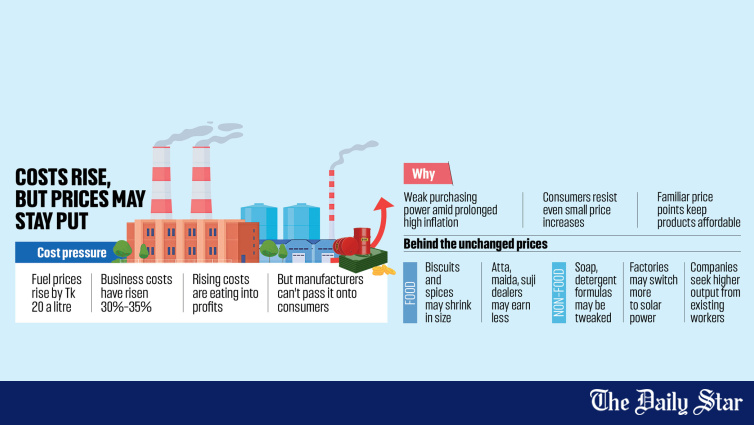
The LPG price increase adds to the cumulative cost-of-living pressure on Bangladeshi households — coming on top of the September 20 fuel price hike, food inflation, and electricity cost increases. The government may need to consider targeted subsidies or price controls if the LPG supply situation does not improve in the coming months.
This news was originally published by The Business Standard. For the full original report, please visit: https://www.tbsnews.net/economy/energy/lpg-imports-fall-25-pushing-cylinder-prices-above-tk2000-1555581
📬 Get Bangladesh Trade News in your inbox
Weekly digest of export industry news, policy updates, and market analysis.
📰 Related Stories



✍️ More from System Administrator
