Bangladesh Government Drafts Revised Gold Policy 2026: Formalising Gold Trade
Commerce Minister Muktadir seeks feedback by August 10; Bajus president Enamul Haque Khan attends; BSTI vice-chairman present; policy aims to formalise gold industry and reduce smuggling
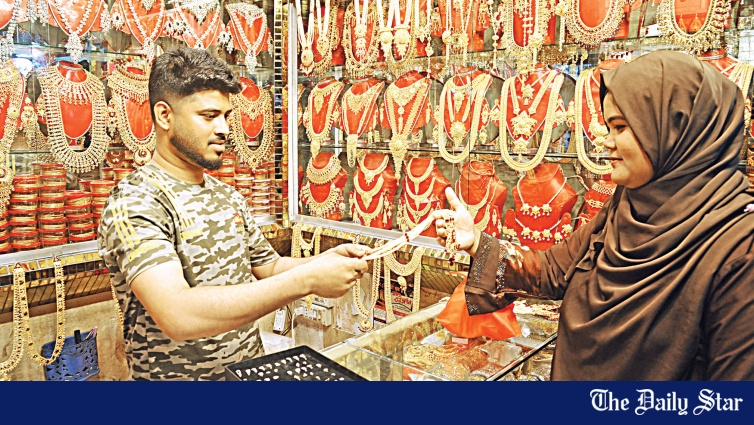
Dhaka, August 6, 2026 — The Bangladesh government has drafted the revised "Gold Policy 2018 (Revised) 2026" — a comprehensive framework aimed at formalising the country's long-informal gold trade, curbing smuggling, growing the jewellery manufacturing and export industry, and bringing gold stocks held by households and institutions into a regulated, transparent framework.
🏛️ Commerce Minister's Directive
Commerce Minister Khandakar Abdul Muktadir yesterday asked all relevant government agencies and stakeholders to submit written feedback on the draft policy by Sunday, August 9, according to a press release issued by the Ministry of Commerce. He gave the instruction at a meeting on the draft policy at the Bangladesh Secretariat in Dhaka — an accelerated consultation timeline that suggests the government wants the policy finalised before the end of the calendar year.
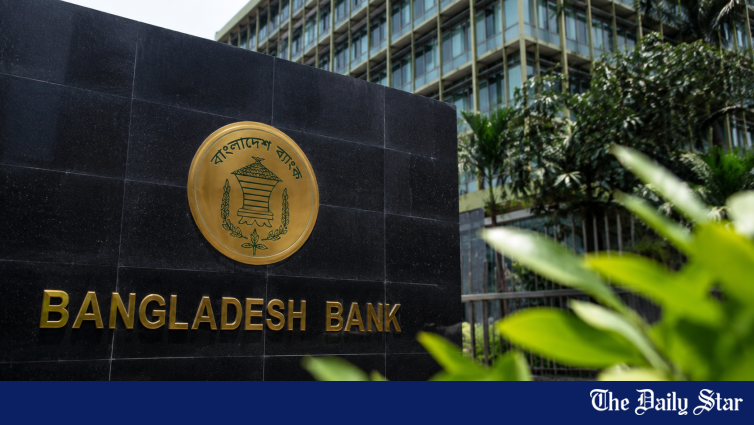
The meeting, chaired by Commerce Secretary Md Ataur Rahman Khan, was attended by Enamul Haque Khan, president of the Bangladesh Jewellers Association (Bajus); Mohammad Hasan Arif, Vice-Chairman of the Export Promotion Bureau (EPB); and representatives from the National Board of Revenue (NBR), Bangladesh Bank, other government agencies and the gold sector — a cross-section of stakeholders that reflects the multi-dimensional nature of the gold economy, which touches fiscal policy, monetary policy, trade policy and consumer protection simultaneously.
💬 "Change Our Mindset" — Minister's Call
The minister said the gold sector has long played an important role in the economy but has remained largely outside a formal institutional framework because of inadequate policies, regulations and weak oversight. "We need to change our mindset. It is not right for a recognised business sector to remain outside a formal framework for so long," he said — a frank acknowledgment that previous attempts to regulate gold (notably the 2018 policy) failed to bring the sector into the formal economy in any meaningful way.
According to the minister, formalising the sector would create jobs, increase legal gold imports, raise government revenue and improve transparency in gold stocks and transactions. He said every stage of purchasing, selling and storing legally imported gold should be properly documented — a chain-of-custody principle that would, for the first time, give Bangladesh an auditable national gold stock register similar to those maintained by central banks in India, Turkey and the UAE.
💰 Gold as National Wealth
Muktadir added that gold held legally within the country helps preserve national wealth, similar to foreign exchange reserves — an interesting framing that positions household gold as a macroeconomic asset rather than just a cultural artefact. Bangladesh's household gold stock is estimated at several thousand tonnes, making it one of the largest in South Asia, but the absence of formal documentation means this wealth cannot be monetised, leveraged as collateral or counted in national balance sheets.
🛡️ Anti-Smuggling Strategy
To reduce gold smuggling — which has been a persistent drain on the formal economy and a source of illicit capital flows — the minister said the gap between domestic and international gold prices should be kept reasonable. Duties and taxes should take into account international prices, especially in major trading hubs such as Dubai, he added. The recognition that arbitrage between domestic and international prices is the primary driver of gold smuggling is significant — previous policies attempted to suppress smuggling through enforcement alone, without addressing the price-gap incentive that makes smuggling economically rational.
- 💰 Smuggling driver: Price gap between domestic and international gold
- 📋 Benchmark hub: Dubai (largest regional gold trading centre)
- 📜 Policy response: Adjust duties to keep price gap reasonable
- 💸 Goal: Reduce arbitrage incentive, increase legal imports
- 📊 Revenue impact: Higher legal imports = higher NBR customs revenue
🏭 Jewellery Manufacturing and Export Ambition
The minister said the revised policy also aims to develop a gold jewellery manufacturing and export industry by allowing raw materials to be imported at lower duty rates, helping local manufacturers compete in global markets through value addition. This is a significant strategic shift — positioning gold not just as a savings vehicle but as a value-added export industry capable of generating foreign exchange through craftsmanship and design, similar to the model successfully pursued by Thailand, Italy and Turkey.
Currently, Bangladesh's gold jewellery exports are minimal — constrained by high import duties on raw gold, the absence of dedicated export processing infrastructure, and lack of international certification (e.g., BIS Hallmarking, Responsible Jewellery Council certification). The revised policy's promise of lower duty rates on raw materials for exporters could unlock a meaningful new export corridor, particularly for South Asian and Middle Eastern markets where Bangladeshi craftsmanship has cultural resonance.
👥 Balancing Demand and Affordability
The minister also stressed the need to balance the country's strong demand for gold — driven by cultural traditions, particularly for weddings and religious festivals — with the purchasing power of ordinary consumers. This balancing act is politically sensitive: gold jewellery is a key middle-class aspiration, and any policy that significantly raises retail prices risks backlash. The minister's framing suggests the revised policy will attempt to thread the needle by lowering duties on raw material imports for exporters while maintaining reasonable duties on retail gold for domestic consumption.
🌏 International Benchmarking
Before finalising the policy, the government will review the gold policies and regulatory systems of three or four gold-exporting countries, including India. It will compare their import systems, tariff structures, stock management, export facilities and monitoring methods. India is a particularly relevant benchmark — the country has successfully developed a multi-billion-dollar gold jewellery export industry through its Special Economic Zones (SEZs) and the India International Jewellery Show (IIJS) platform, while simultaneously maintaining one of the world's largest domestic gold markets.
🏛️ The Bajus Perspective
The presence of Enamul Haque Khan, president of Bajus, at the meeting signals that the jewellers' association is being brought into the policy design process — an important departure from previous attempts where the industry felt excluded. Bajus has long argued that the formal sector is being undercut by smuggled gold, and that the only way to level the playing field is to reduce import duties to a level where formal imports become commercially viable. The revised policy appears to take this argument on board, while also imposing the chain-of-custody documentation that the government needs for revenue and transparency purposes.
✅ What Comes Next
The minister asked all agencies to submit written observations on possible implementation challenges by August 9. He said another meeting would be held, if necessary, after reviewing stakeholders' feedback before the policy is finalised — a process that could see the revised policy approved by the cabinet before the end of 2026. If implemented effectively, the policy could transform Bangladesh's gold sector from a largely informal, smuggling-prone market into a regulated, tax-paying, export-oriented industry — creating thousands of skilled jobs in jewellery manufacturing and unlocking a new source of foreign exchange earnings for a country that desperately needs export diversification beyond ready-made garments.
This news was originally published by The Daily Star. For the full original report, please visit: https://www.thedailystar.net/business/economy/news/govt-drafts-revised-gold-policy-4241771
Related on BangladeshExport
📬 Get Bangladesh Trade News in your inbox
Weekly digest of export industry news, policy updates, and market analysis.
📰 Related Stories