Bangladesh Shifts Fiscal Year to April-March: Pros, Cons, and Implementation Challenges
Dhaka, August 18, 2026 — The Government of Bangladesh has decided to change the country's fiscal year — shifting from the current July-June cycle to a new April-March cycle, with the new schedule to take full effect from fiscal year 2028-29. The decision, taken at a Cabinet meeting on Monday (17 August 2026), will introduce a transitional nine-month fiscal year (2027-28) before the new April-March cycle begins in April 2028. The change carries significant implications for government planning, private sector accounting, tax administration, and the implementation rhythm of development projects.
📊 The New Fiscal Year Calendar
- 📅 Current fiscal year — 1 July to 30 June (being replaced)
- 📅 New fiscal year — 1 April to 31 March (taking effect FY2028-29)
- 📅 Transitional year — FY2027-28 will be a 9-month fiscal year
- 📅 New cycle begins — April 2028 to March 2029
- 📅 Cabinet decision — 17 August 2026 (Monday)
- 📜 First full new fiscal year — FY2028-29 (April 2028-March 2029)
🏛 What Is a Fiscal Year and Why Does It Matter?
A fiscal year is a one-year period used by the government for its financial accounting. Based on the fiscal year, the government prepares its budget — estimating how much revenue it will collect and how much it will spend. Allocations for development activities are also made according to the fiscal year, and the budget is implemented accordingly. The fiscal year affects virtually every aspect of government financial operations:
- 📊 GDP size and growth — calculated on the basis of the fiscal year
- 📈 Inflation measurement — tracked against fiscal year periods
- 🏢 Annual Development Programme (ADP) — planning and execution cycle
- 📜 Customs duties and taxes — revenue targets and collection cycles
- 💰 Investment planning — both public and private
- 💰 Domestic and foreign borrowing — debt management and liability tracking
- 💰 Government institution profit and loss — SOEs and other public bodies
- 📜 Budget formulation — revenue estimates, expenditure allocations, deficit projections
🤔 Why Is the Fiscal Year Being Changed?
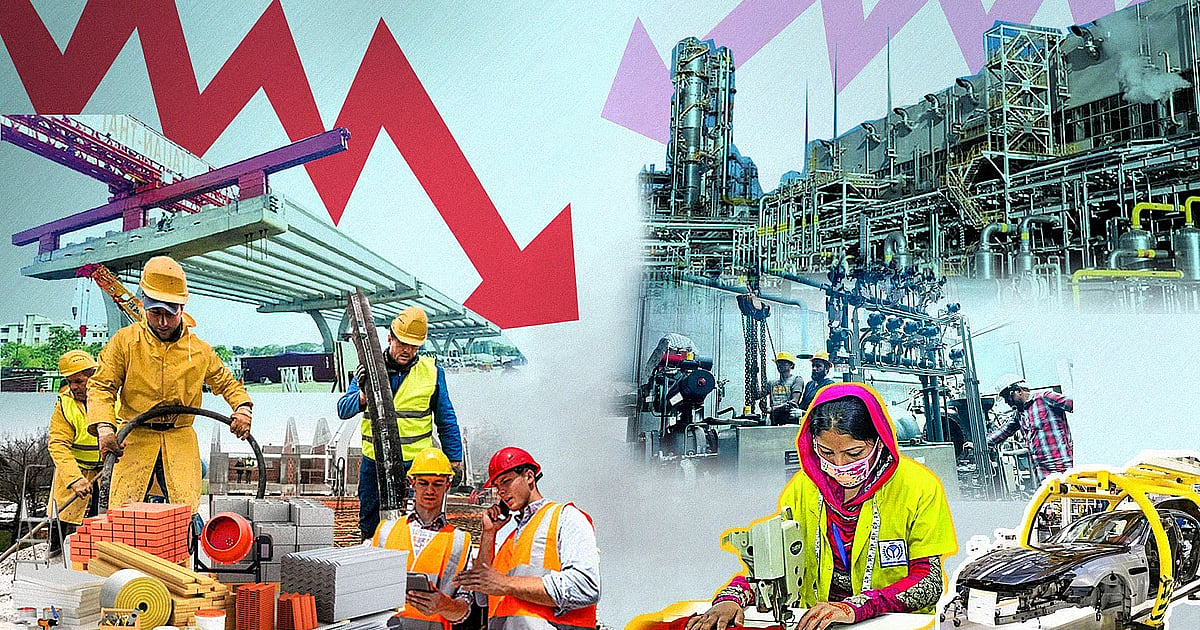
The government's main argument for the change is that it will accelerate the implementation of development projects. The current July-June fiscal year begins on July 1 — at the onset of the monsoon — making it difficult to carry out infrastructure projects including:
- 🛣 Roads — construction quality affected by monsoon rainfall
- 🚧 Bridges — foundation and structural work affected by high water levels
- 🚰 Drains — stormwater drainage construction complicated by monsoon flooding
- 🏢 Buildings — concrete pouring and curing quality affected by rain
As a result, project implementation takes longer, costs rise, and the quality of work suffers. Under the new April-March fiscal year, the budget will take effect at the beginning of summer — allowing construction work to move ahead during the dry season from April to June. This timing alignment between fiscal year start and dry season construction window is the central logic of the reform.
📊 The June Spending Surge Problem
Another recurring problem the fiscal year shift aims to address is the surge in development spending at the end of the fiscal year. In June in particular, many contractors rush to complete projects as the fiscal year closes — creating several negative outcomes:
- 🚧 Hasty work — contractors complete projects quickly to show progress and withdraw payments
- 💰 Quality compromise — rushed construction often has quality defects
- 🌧 Rainfall quality impact — June rainfall can affect construction quality
- 💰 Payment concentration — large share of annual payments made in single month
- 📊 Audit challenges — year-end spending surge complicates financial oversight
The data is striking. In fiscal year 2025-26, Tk 1.41 trillion was spent under the ADP. Of that, Tk 400 billion was spent in June alone — more than 28 percent of the total expenditure in a single month. This concentration of spending in the final month of the fiscal year creates exactly the kind of hasty, low-quality, hard-to-audit project completion that has plagued Bangladeshi public investment for years.
📈 Benefits of the New April-March Cycle
Under the new fiscal year, several specific benefits are expected:
- 🛣 Infrastructure projects can begin in April — at the start of the fiscal year, when dry season is beginning
- 🌞 Final 4-5 months of fiscal year coincide with dry season — November to March, ideal for construction
- 🚧 Reduced monsoon disruption — to roads, bridges, and building projects
- 📊 Less last-minute rush — tendency to rush construction at fiscal year end could decline
- 📊 Better quality construction — dry-season completion window
- 📜 Improved financial management — spending distributed more evenly across the year
- 💰 Better project oversight — more time for proper execution and quality control
⚠ Implementation Challenges
While the new fiscal year offers potential benefits, the transition will create significant temporary challenges:
- 📜 Government accounting system realignment — all financial reporting systems must be reconfigured for new calendar
- 💻 Budget and financial management software — modifications required across multiple government IT systems
- 📜 Information systems — reporting frameworks, dashboards, and analytics need calendar adjustment
- 💼 Private organisation accounting — profit and loss accounting periods will need to change
- 💰 Tax administration — NBR's tax filing cycles, assessment periods, and refund processing must adjust
- 💰 Taxpayer planning — individuals and businesses must adjust annual income/expenditure planning
- 🤝 Donor and development partner alignment — project cycles with World Bank, ADB, JICA, EU, etc. must be coordinated
- 💰 Banking system — fiscal year-based reporting, financial product cycles (sukuk, treasury bills) need adjustment
- 📜 Statistical reporting — BBS, Bangladesh Bank, and other statistical agencies must adjust data collection
- 💰 Corporate reporting — listed company annual reports, audits must align with new fiscal year
- 📊 9-month transitional year — FY2027-28 will be only 9 months, creating compression challenges
The 9-month transitional fiscal year is particularly complex — requiring adjusted revenue targets, compressed expenditure planning, partial-year ADP implementation, and modified reporting frameworks. Government agencies, private companies, and taxpayers will all need to navigate this transition carefully to avoid disruptions.
🌐 Implications for Bangladesh's Export Economy
The fiscal year shift carries several specific implications for Bangladesh's export economy:
- 🏭 RMG seasonal cycles — RMG production planning, while not directly tied to government fiscal year, may need adjustment for working capital cycles and bank reporting
- 💰 Banking sector reporting — bank financial years typically aligned with national fiscal year will need adjustment
- 💰 Cash incentive disbursement — export sector cash incentives typically tied to fiscal year must transition smoothly
- 💰 Budget allocation cycles — for export-promotion bodies (EPB, BIDA, BEPZA, BEZA) will change
- 📜 Customs and duty administration — NBR revenue targets, duty drawback cycles, bonded warehouse audits all tied to fiscal year
- 💰 Development project financing — for trade-related infrastructure (ports, roads, power) will follow new calendar
- 💰 Foreign loan and aid accounting — bilateral and multilateral financing frameworks must be renegotiated for new calendar
- 📜 Export target setting — annual export targets typically set on fiscal year basis
🤝 International Comparisons
Bangladesh's shift to April-March fiscal year aligns with the practices of several major economies, including:
- 🇮🇳 India — April-March fiscal year (which Bangladesh is now adopting, post-1971 alignment)
- 🇨🇦 Canada — April-March fiscal year
- 🆬🇲 United Kingdom — April-March fiscal year
- 🇭🇰 Hong Kong — April-March fiscal year
- 🇹🇭 Thailand — October-September fiscal year (different)
- 🇸🇬 Singapore — April-March fiscal year
- 🇲🇾 Malaysia — January-December fiscal year (calendar year)
- 🇦🇺 Australia — July-June fiscal year (same as current Bangladesh)
- 🇺🇸 United States — October-September federal fiscal year
The choice of April-March aligns Bangladesh with India's fiscal calendar — a sensible choice given the deep trade and investment linkages between the two countries. Common fiscal year timing will simplify bilateral commercial transactions, banking relationships, and corporate reporting for companies operating in both markets.
🌐 The Bigger Picture: Bangladesh's Fiscal Reform Agenda
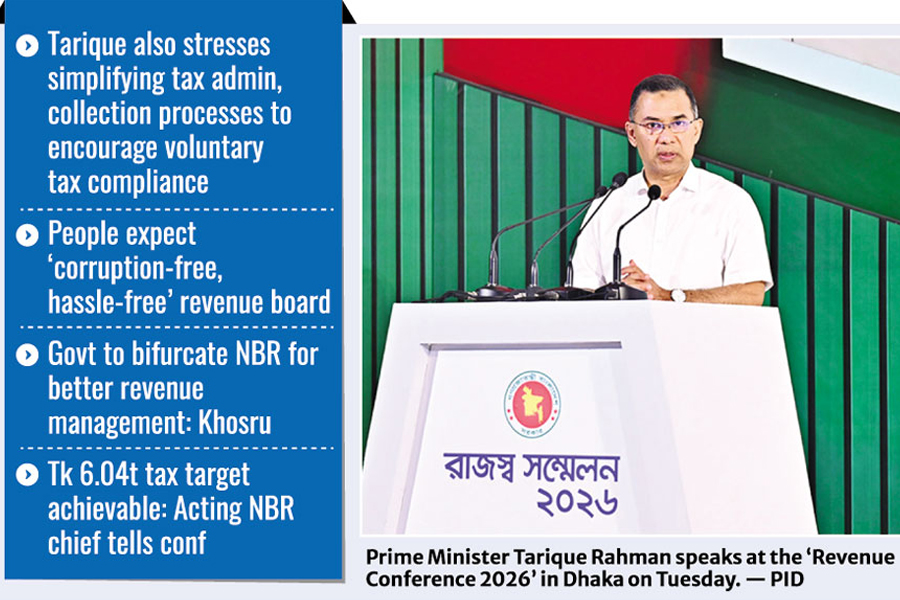
The fiscal year shift joins a broader programme of fiscal and economic reforms being pursued by the BNP government under Prime Minister Tarique Rahman and Finance Minister Amir Khosru Mahmud Chowdhury:
- 🏛 NBR separation into two divisions — policy and administration
- 💰 Tax net expansion — rather than rate increases
- 🏛 Five-year banking sector strategic framework — July 2026-June 2031
- 💰 Bangladesh Bank operational autonomy — phased enforcement
- 📜 Tk 60,000 crore stimulus package — for struggling businesses
- 📜 Tax administration modernisation — cashless, contact-free revenue system
- 📜 Tk 6 trillion FY27 revenue target — ambitious tax mobilisation goal
- 🌐 GED five-year strategic framework — 8.5% GDP growth target by 2031
- 🤝 Invest Bangladesh Authority — merging BIDA, BEZA, PPP Authority
- 📜 Cabinet task force on deregulation — business environment reform
The fiscal year shift is a structural reform that complements these other initiatives — improving the timing and quality of public investment, addressing the persistent ADP implementation challenges, and aligning Bangladesh's fiscal calendar with major trading partners. For Finance Minister Khosru's broader reform agenda, the fiscal year shift demonstrates continued momentum on structural reform despite the broader economic challenges facing the country. The 9-month transitional year (FY2027-28) will be a critical test of the government's implementation capacity — requiring careful planning across all government agencies, private sector accounting functions, and tax administration systems. For the millions of Bangladeshis who depend on government services, public investment, and infrastructure development, the success of the fiscal year shift will be measured not by the elegance of the calendar change but by the tangible improvements in project implementation quality, ADP execution, and infrastructure delivery that the new calendar is designed to enable.
This news was originally published by Prothom Alo English. For the full original report, please visit: https://en.prothomalo.com/business/tbilbfc1ad
Related on BangladeshExport
📬 Get Bangladesh Trade News in your inbox
Weekly digest of export industry news, policy updates, and market analysis.
📰 Related Stories