Bangla QR Misuse: Merchants Illegally Offering Cash-Out Services, 2m Agents At Risk
Merchants exploit universal Bangla QR to offer fee-free cash withdrawals, threatening 2 million MFS agents' livelihoods and creating money laundering risks
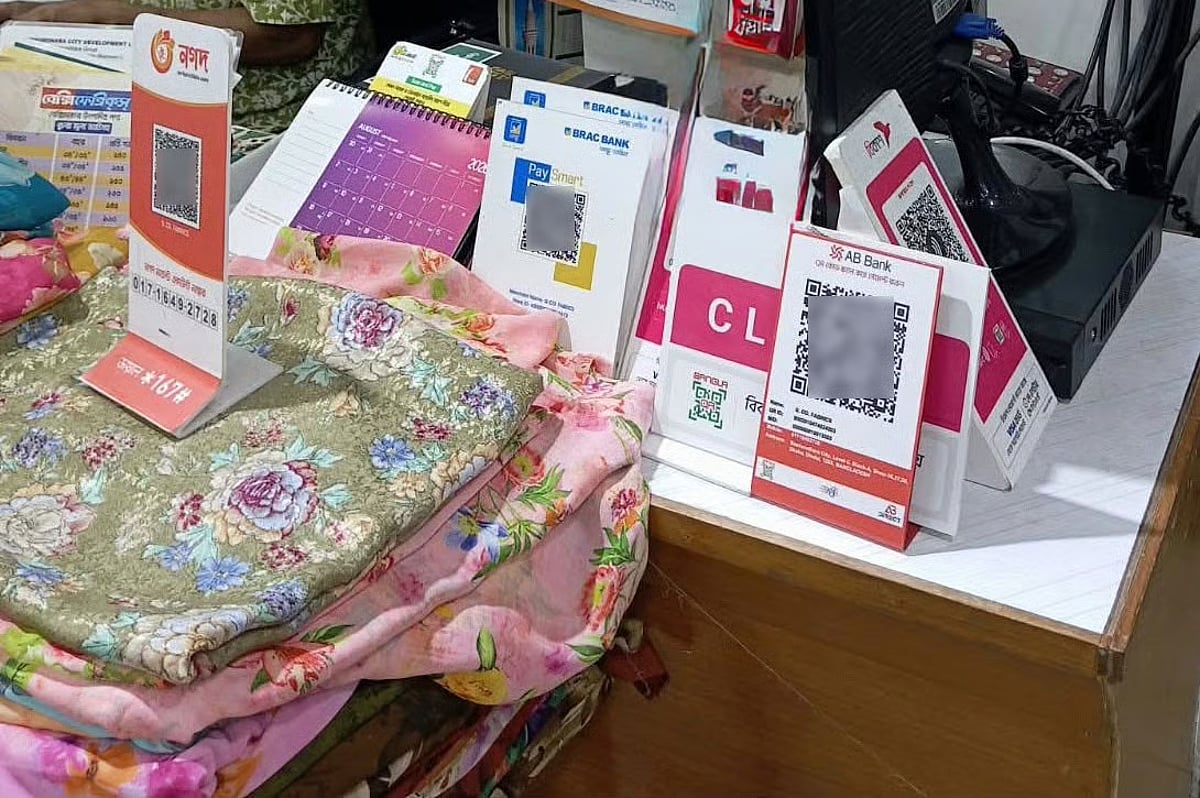
💳 The "Bangla QR" code, introduced to make it easier for people to pay for purchases, has now become a convenient means of withdrawing cash — threatening the livelihoods of approximately 2 million mobile financial service (MFS) agents across Bangladesh. Many sellers of goods and services, known as merchants, are allowing customers to withdraw cash through QR codes without actually purchasing any goods or services, in a misuse that is undermining the agent network MFS providers have built over the years.
📊 MFS providers have used their 2 million agents to reach people in marginalised communities across Bangladesh. However, since the introduction of QR-based transactions, the businesses of these agents have come under threat because merchants are providing illegal cash-out services. People concerned say the universal Bangla QR system, introduced to encourage digital transactions, is being misused at scale — with implications for both the MFS business model and financial system integrity.
💰 How The Cash-Out Misuse Works
Customers normally have to pay a fixed charge or fee to withdraw cash, or cash out, through an MFS agent. Depending on the MFS provider, the charge ranges from a minimum of Tk 12.90 to Tk 18.50 per Tk 1,000. If a customer withdraws or cashes out Tk 30,000 through an MFS provider, in line with the maximum limit set by Bangladesh Bank, they have to pay a minimum fee of Tk 387.
However, many customers are now withdrawing the money in cash from merchants selling goods or services without paying any fee or charge. For example, a customer can transfer Tk 30,000 to a shopkeeper's Bangla QR code without purchasing any goods or services and then collect the amount in cash from the shopkeeper. Instead of paying a fixed fee, the customer can receive this service by paying only a nominal amount, depending on the shopkeeper's demand. As a result, customers withdrawing cash can save money on fees, while shopkeepers receive some money without selling any goods or services. Customers can also cash out large amounts beyond the limits set by Bangladesh Bank.
- 👥 MFS agents at risk: ~2 million nationwide
- 💰 Normal cash-out fee: Tk 12.90-18.50 per Tk 1,000
- 💰 Fee on Tk 30,000 withdrawal: Tk 387 minimum
- 💳 Bangla QR mandatory: July 2026
- 💰 Merchant QR receipt fee: Free from October 2026
- ⚠ Risks: Money laundering, financial crime, BB limit bypass
🏛 Regulatory Gap: Bangla QR Has No Cash-Out Limits
MFS providers face various restrictions and transaction limits imposed by Bangladesh Bank when customers withdraw cash through their services. However, Bangla QR transactions do not have similar restrictions or limits. As a result, customers can illegally withdraw cash at will from different merchants. The regulatory asymmetry — strict limits on MFS agent cash-outs but no limits on Bangla QR-based merchant cash-outs — has created a structural loophole that is being systematically exploited.
According to Bangladesh Bank sources, the use of Bangla QR codes for transactions became mandatory in July. As a result, all banks and MFS providers in the country have been required to install Bangla QR codes with merchants selling goods and services instead of using their own QR codes. Different banks and MFS providers have issued as many as four or five Bangla QR codes against a single bank or MFS account belonging to a merchant. This has allowed merchants spread across the country to become an alternative means of withdrawing cash.
⚠ Money Laundering And Financial Crime Risks
MFS providers have therefore sought Bangladesh Bank's intervention to stop the misuse of Bangla QR codes for cash withdrawals. They say the misuse is not only damaging the ecosystem of MFS providers but also creating opportunities for various forms of financial crime, including money laundering. The absence of transaction limits and KYC verification on Bangla QR-based cash-outs makes the system particularly vulnerable to exploitation by actors seeking to move illicit funds through the formal financial system without triggering regulatory alerts.
The money laundering risk is particularly acute because Bangla QR transactions, by design, appear as legitimate merchant payments in the banking system — making it difficult for financial intelligence units to distinguish between genuine purchases and disguised cash-out transactions. This structural opacity could be exploited for layering illicit funds through the merchant network, particularly in cash-intensive sectors where large transaction volumes make individual suspicious transactions harder to detect.
📜 Bangladesh Bank's October Free Merchant Policy
Bangladesh Bank has decided to make it free for merchants to receive payments through Bangla QR from October. As a result, merchants will not have to pay any charge to receive money from customers and return it to them in cash. The free merchant receipt policy — while intended to encourage digital payment adoption among merchants — inadvertently makes the cash-out misuse even more attractive, as merchants face zero cost for receiving funds via Bangla QR.
The merchant network includes everyone from shopkeepers in rural areas to large providers of goods and services. As a result, the widespread presence of merchants has disrupted the agent ecosystem of MFS providers. The geographic reach of the merchant network — far exceeding the MFS agent network in many rural areas — means that customers in remote locations now have easier access to cash-out services through merchants than through authorised MFS agents, fundamentally altering the economics of the MFS agent business model.
🌏 Strategic Implications For Bangladesh's Digital Payment Ecosystem
For Bangladesh's broader digital payment ecosystem, the Bangla QR misuse carries several strategic implications. First, the threat to 2 million MFS agents — who represent the last-mile distribution network for digital financial services across Bangladesh — could undermine the financial inclusion gains that MFS providers have achieved over the past decade. If agents exit the business due to lost cash-out revenue, the rural financial access infrastructure would be significantly weakened.
Second, the regulatory gap between MFS agent cash-outs (subject to limits and fees) and Bangla QR merchant cash-outs (no limits, no fees) needs to be closed. Bangladesh Bank could address this by either imposing transaction limits on Bangla QR-based cash-out transactions, or by requiring merchants to verify that a genuine purchase has occurred before processing a QR-based payment.
Third, the money laundering and financial crime risks associated with unregulated QR-based cash-outs require urgent regulatory attention. Without KYC verification and transaction monitoring on Bangla QR cash-out transactions, the system creates a parallel channel for moving funds that operates outside the established AML/CFT framework that governs MFS agent transactions.
The coming months will reveal whether Bangladesh Bank can close the regulatory gap before the misuse causes irreversible damage to the MFS agent ecosystem and creates meaningful financial crime exposure. The universal Bangla QR system — a genuine innovation in payment simplification — needs regulatory guardrails to ensure it serves its intended purpose of facilitating digital commerce rather than becoming an unregulated cash-out channel.
This news was originally published by Prothom Alo English. For the full original report, please visit: https://en.prothomalo.com/business/local/8mljzomg86
Related on BangladeshExport
📬 Get Bangladesh Trade News in your inbox
Weekly digest of export industry news, policy updates, and market analysis.
📰 Related Stories