Pharma Exports Need High-Integrity Logistics After US Zero-Tariff Win
Opinion: Former FICCI chief Syed Ershad Ahmed says the Section 232 exemption demands a cold-chain upgrade from factory to patient

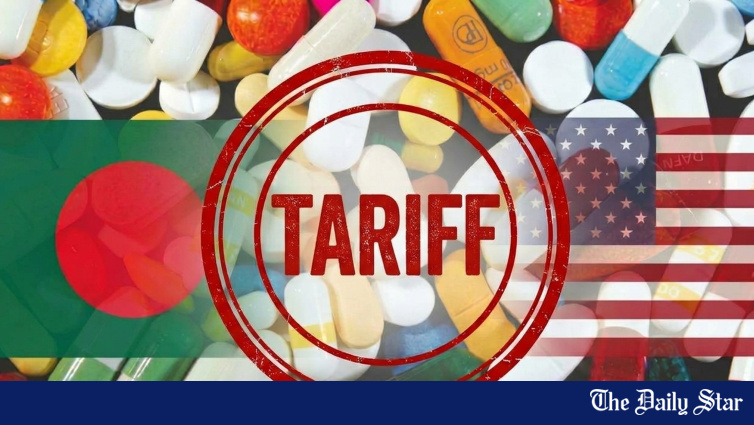
💊 The United States' decision to apply a zero additional tariff rate to specified specialty pharmaceutical products and associated ingredients from Bangladesh presents a significant opportunity, argues Syed Ershad Ahmed, former president of FICCI and AmCham Bangladesh, in a new column. The US Department of Commerce's September 23 notice lists Bangladesh among the jurisdictions eligible for the zero Section 232 tariff rate on specified products, including orphan medicines, nuclear medicines, plasma-derived therapies, fertility drugs, cell and gene therapies, antibody-drug conjugates, certain medical countermeasures and animal health products.
🌍 The writer's core argument is that this development should be viewed not simply as a tariff issue, but as an opportunity to strengthen Bangladesh's ability to serve a demanding global healthcare market. The exemption is product-specific and subject to US rules; nevertheless, it reinforces the importance of developing a supply chain capable of protecting pharmaceutical quality from the factory to the final destination — because a market-access ticket is only as good as the shipments that carry it.
❄ Pharmaceutical logistics, the column explains, is fundamentally different from ordinary cargo movement. Some products can tolerate delays; many medicines, vaccines, biological materials and other temperature-sensitive products cannot, with their quality depending on specified conditions throughout transportation, storage, handling and delivery. A shipment can leave a modern manufacturing plant in perfect condition and still be compromised by a temperature excursion, excessive exposure on the airport apron, inadequate storage or a poorly controlled handover. Bangladesh therefore needs to treat pharmaceutical logistics as a high-integrity supply chain, not merely an airport cargo function — and the International Air Transport Association's (IATA) pharmaceutical logistics standards, with their emphasis on temperature control, equipment, trained personnel, documentation, traceability, risk management and coordinated handling, provide the blueprint. IATA's CEIV Pharma programme offers a recognised framework covering infrastructure, equipment, quality management, training, warehousing, ground transportation and aircraft handling.
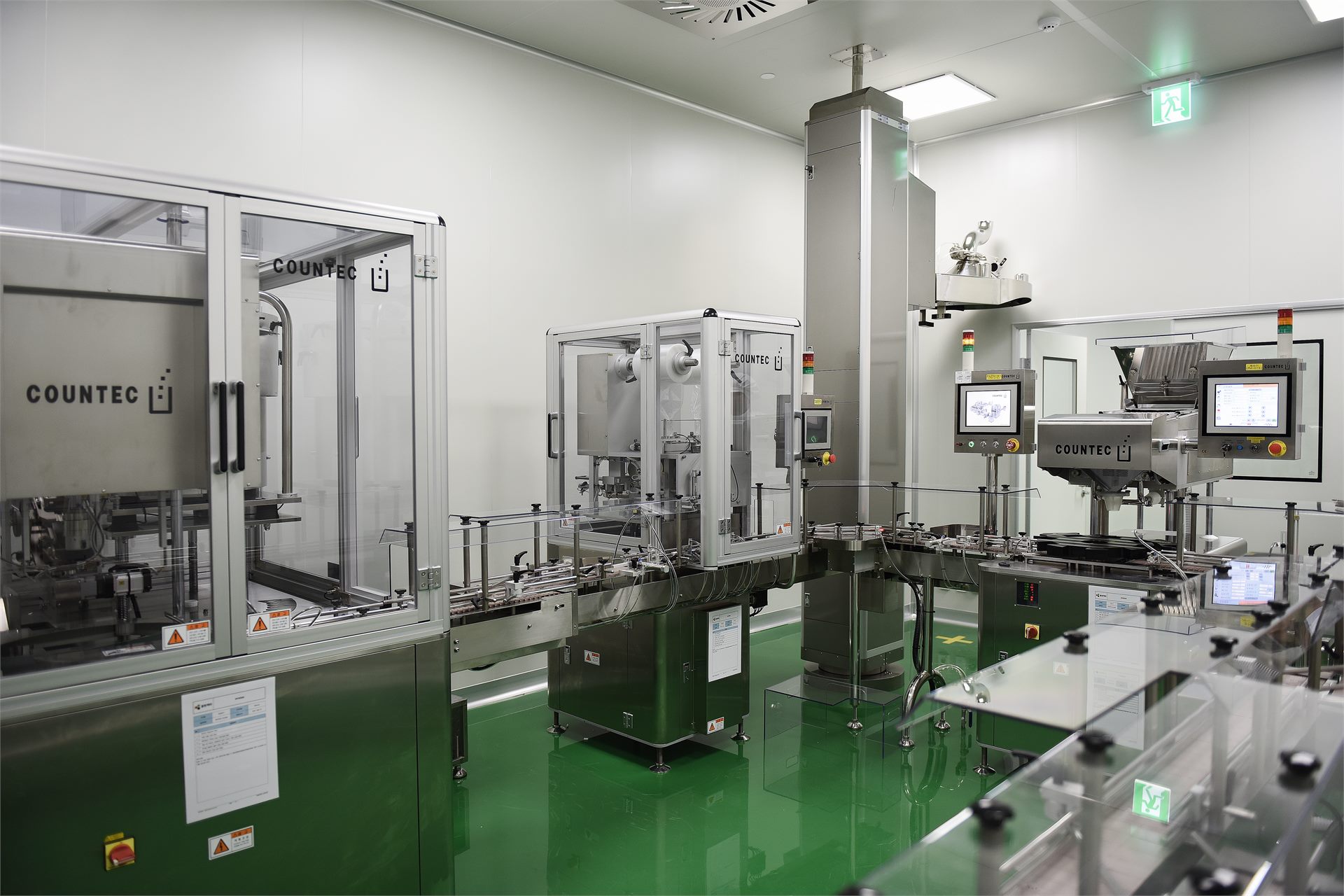
🚢 The immediate priority, in the author's assessment, should be developing dedicated pharmaceutical logistics capabilities at the country's principal air cargo gateway: validated temperature-controlled storage for different product requirements, rapid transfer between aircraft and storage, reliable backup power, temperature mapping and continuous monitoring, secure handling areas, calibrated sensors and clear procedures for temperature excursions. The system should also support active and passive temperature-controlled packaging, data loggers, appropriate unit load device handling and specialised vehicles so cargo is not unnecessarily exposed to ambient conditions — with dedicated fast-track customs procedures reducing dwell time for high-value, sensitive medicines requiring strong physical security and end-to-end shipment visibility.
🎓 Training is equally important, the column continues: airlines, ground handlers, freight forwarders, customs personnel, warehouse operators and trucking companies should all understand pharmaceutical handling procedures, with standard operating procedures and service-level agreements defining responsibilities at every handover, and digital tracking and electronic documentation strengthening traceability. Singapore offers a useful benchmark — its pharmaceutical and biomedical industries are supported by advanced manufacturing, global connectivity, regulatory capability and specialised logistics services. Bangladesh does not need to replicate Singapore, but it can learn from the principle that high-value healthcare manufacturing requires equally high-integrity logistics.
🔭 The export-economy takeaway
💰 For Bangladesh's pharmaceutical industry — which satisfies nearly all domestic demand and has built genuine manufacturing credibility, with WHO-GMP plants and growing active-ingredient ambitions — the US exemption opens a lane into the world's most valuable medicines market, precisely the specialty segment where margins are highest and competitors are fewest. But the column's warning is well placed: buyers of orphan drugs and cell therapies do not procure on price alone; they audit supply chains, and a single documented temperature excursion can end a supplier relationship before it starts. Investment in cold-chain infrastructure, trained personnel, secure cargo facilities, reliable power, digital monitoring and internationally aligned operating standards is thus not a cost of exporting — it is the qualification to export.
🚀 The competitive sequencing also matters for an economy looking beyond garments. RMG proved Bangladesh could industrialise at scale; pharmaceuticals are the leading candidate to prove it can industrialise at quality. The sector already exports to dozens of markets and supplies global agencies; adding a US specialty lane would move it up the value chain at exactly the moment tariff walls are rising against apparel competitors. The tariff notice is the invitation; the logistics build-out is the acceptance.
💉 The column closes on the point that should frame policy: for a country seeking to expand pharmaceutical exports, the next competitive advantage may not come only from what is manufactured inside the factory. It will also depend on how safely, quickly and reliably that product reaches the patient — a sentence that deserves a permanent place in every export-strategy document Bangladesh writes from here on.
📦 The institutional to-do list implied by the column is refreshingly concrete. Airport authorities can pursue CEIV Pharma certification for dedicated facilities; customs can pre-clear documented pharmaceutical consignments; the drug regulator can align export documentation with US Food and Drug Administration expectations; and industry associations can run shared training programmes so that even small and mid-sized exporters qualify for the handling standards large buyers demand. None of these steps requires new legislation — only coordination, budget and the recognition that in pharmaceuticals, logistics is regulation.
🚧 The energy dimension is the quiet constraint worth flagging. Cold chains are power chains: every cold room, data logger and refrigerated vehicle is hostage to electricity reliability, and Bangladesh's industrial energy challenges have already forced factories to invest in backup generation. A pharmaceutical logistics hub aspiring to US-market standards must therefore budget power redundancy from the outset — another reason to co-locate such facilities with the reliable energy infrastructure the country is racing to build, and another argument for treating the logistics build-out as part of energy policy rather than as a standalone trade item.
This news was originally published by The Daily Star. For the full original report, please visit: https://www.thedailystar.net/business/column/news/pharma-exports-need-stronger-logistics-compete-globally-4307276
📬 Get Bangladesh Trade News in your inbox
Weekly digest of export industry news, policy updates, and market analysis.
📰 Related Stories