Bangladesh Remittance Dollar Rate Falls by Tk 1 in a Week to Tk 122.70
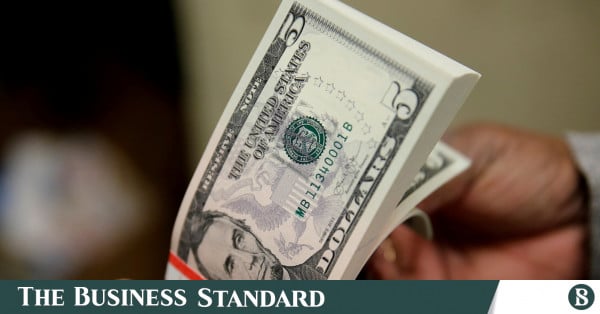
Dhaka, August 14, 2026 — The dollar rate for remittance purchases has fallen by as much as Tk 1 within a week, with several commercial banks buying dollars from remittance houses at Tk 122.70 yesterday — down from Tk 123.60-123.70 last week. The decline reflects improved dollar liquidity in the banking system, with banks' Net Open Position (NOP) long positions approaching their upper limits.
💵 The Rate Movement
The remittance dollar rate has shown a clear downward trend over the past week:
- 📈 Last week — Tk 123.60-123.70 per dollar (banks buying from remittance houses)
- 📉 Yesterday — Tk 122.70 per dollar (Tk 1 decline)
- 📉 Potential next week — Tk 122.20 per dollar (if BB doesn't intervene)
- 📈 July peak — Tk 123.85-123.90 per dollar (heavy government payment pressure)
- 🚧 BB floor target — Tk 122.20 (to protect remittance inflows)
Bankers also reported that the rate for settling letters of credit (LCs) has declined — and could fall further next week. The LC settlement rate reduction has occurred over the past three days.
🏢 Why the Dollar Rate Is Falling
Senior officials at Bangladesh Bank and several commercial banks confirmed the development. The rate decline is driven by several converging factors:
- 💰 Banks' NOP long positions close to upper limit — banks have sufficient dollar holdings
- 💵 Banks unwilling to buy at higher rates — no need to compete for remittance dollars
- 📈 Lower LC settlement rates — banks offering business groups lower rates to sell existing holdings
- 📉 Reduced government payment pressure — August payments lower than July
- 💰 Strong remittance inflows — ~$1.5 billion in first 12 days of August
The main reason is that commercial banks' Net Open Position (NOP) long positions are close to the upper limit — meaning banks currently have sufficient dollar holdings. As a result, they are not willing to buy remittance dollars at higher rates.
💸 Remittance Inflows Strong in August
Expatriate Bangladeshis sent approximately $1.5 billion in remittances during the first 12 days of August 2026 — a robust pace that has boosted dollar supply in the market. The remittance trajectory provides important context:
- 📈 $3 billion+ monthly — December 2025 through May 2026 (6 consecutive months)
- 📉 Below $3 billion — June and July 2026
- 📈 ~$4 billion — March 2026 peak
- 📈 $35.34 billion — FY26 total (17.6 percent growth)
- 📈 $2.86 billion — July 2026 (15.8 percent growth)
Although government LC payment pressure was high last month, it has been comparatively lower in August — resulting in declining demand for dollars in the market so far this month.
🏛️ Bangladesh Bank's Dilemma
Commercial bank officials believe the rate could drop sharply to Tk 122.20 if the central bank stays out of the market next week. However, a senior Bangladesh Bank official indicated that the central bank does not want the dollar rate to fall below Tk 122.20 — as that could discourage remittance inflows. Therefore, Bangladesh Bank may purchase dollars from commercial banks next week.
The BB faces a delicate balancing act:
- ⏳ If BB doesn't intervene — dollar could fall below Tk 122.20, discouraging remittance senders
- 💰 If BB purchases dollars — supports remittance rate but absorbs dollar liquidity
- 📊 Reserves build — BB dollar purchases would add to forex reserves
- 💵 Export competitiveness — weaker taka supports exports
- 💰 Import cost — stronger taka reduces import costs
The BB's intervention decision will depend on the trade-off between protecting remittance inflows and allowing market forces to determine the exchange rate.
📊 Net Open Position (NOP) Explained
The Net Open Position (NOP) is a critical banking regulatory concept that explains the current dollar rate dynamics:
- 💰 NOP long position — bank holds more foreign currency assets than liabilities
- 🏛️ BB sets NOP limits — maximum open position banks can hold
- 🚧 Upper limit approach — banks cannot buy more dollars without exceeding limit
- 💵 Selling pressure — banks want to sell dollars to reduce NOP
- 📉 Rate decline — banks accept lower rates to offload dollars
When banks' NOP positions approach their regulatory limits, they become forced sellers of dollars — driving the exchange rate down. This is the current dynamic in Bangladesh's foreign exchange market.
💼 Impact on Different Stakeholders
The dollar rate decline has varied impacts across the economy:
- 👥 Remittance recipients — receive fewer taka per dollar sent
- 🧑🌾 Expatriate workers — may reduce remittance volume if rate falls too low
- 🏭 Importers — benefit from lower LC settlement rates
- 💼 Exporters — receive fewer taka for dollar earnings
- 💰 Forex reserves — BB purchases would build reserves
- 🏛️ Government debt service — lower dollar rate reduces taka cost of external debt
🌐 July vs. August: Government Payment Pressure
The dollar rate dynamics differ significantly between July and August due to government payment patterns:
- 📈 July 2026 — heavy government payment obligations drove dollar demand
- 📈 July bank buying rate — Tk 123.85-123.90 per dollar
- 📉 August 2026 — government payment pressure relatively low
- 📉 August bank buying rate — Tk 122.70 per dollar
- 🚧 Similar July-style rise unlikely — in August
Government payment obligations typically include external debt service, LNG import payments, and other sovereign external payments — which create concentrated dollar demand in specific months.
📊 Forex Reserves Context
The dollar rate decline comes amid Bangladesh's continued forex reserves recovery. Gross reserves stood at $37.11 billion as of August 13, 2026 — with BPM6 reserves at $32.31 billion. The reserves rebuild has been supported by:
- 💰 Robust remittance inflows — $35.34 billion in FY26
- 📈 Export earnings — $48 billion in merchandise exports
- 📉 Import compression — tighter LC approval for non-essential imports
- 🤝 IMF programme disbursements — $4.7 billion committed
- 💰 BB dollar purchases — from interbank market
If Bangladesh Bank purchases dollars next week to support the remittance rate, it would further build reserves — strengthening the country's external position ahead of LDC graduation in November 2026.
🌐 Strategic Context: Exchange Rate and Export Competitiveness
For Bangladesh's export economy, the taka-dollar exchange rate is a critical competitiveness variable. The 42 percent taka depreciation against the dollar over the past four years has been a tailwind for exporters — making Bangladeshi products cheaper in dollar terms. However, the recent rate decline suggests the depreciation cycle may be pausing:
- 📉 Taka appreciation risk — if dollar falls below Tk 122, exports become less competitive
- 💰 Import cost relief — stronger taka reduces cost of imported raw materials
- 💸 RMG impact — exporters receive fewer taka per dollar of exports
- 📜 Trade balance — exchange rate affects import-export equilibrium
- 🏛️ BB policy — central bank likely to manage rate around Tk 122-123
The BB's challenge is balancing the interests of remittance senders, exporters, importers, and broader macroeconomic stability. The coming week's intervention decision will signal the BB's preferred exchange rate corridor — and set the tone for taka-dollar dynamics through the remainder of August and into September.
This news was originally published by The Business Standard. For the full original report, please visit: https://www.tbsnews.net/economy/banking/remittance-dollar-rate-falls-tk1-week-1514706
Related on BangladeshExport
📬 Get Bangladesh Trade News in your inbox
Weekly digest of export industry news, policy updates, and market analysis.
📰 Related Stories