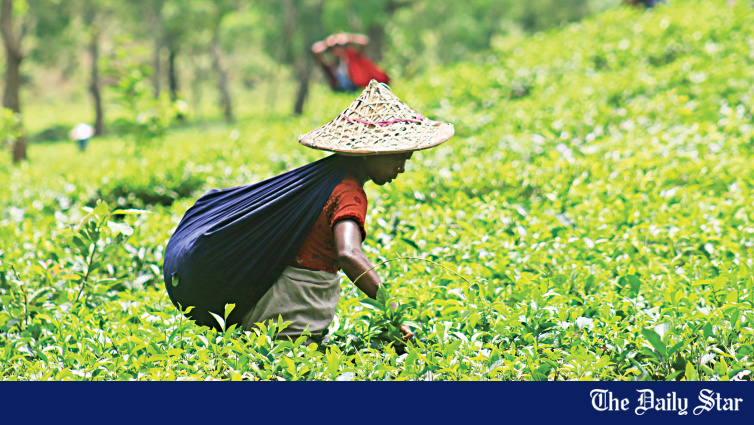
PM Tarique Rahman Pledges Full Government Support to Revive Bangladesh Tea Industry
Prime Minister assures tea garden owners of loan easing, low-interest credit, and solar power on uncultivable land, directing committee formation to identify sector problems and solutions
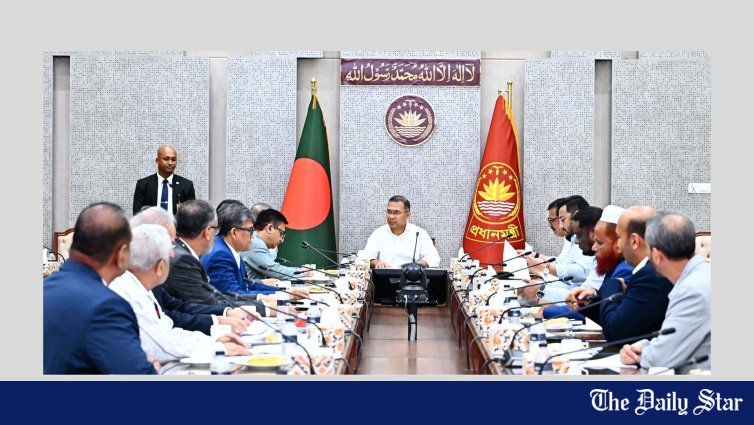
Dhaka, August 2, 2026 — Prime Minister Tarique Rahman has assured the tea industry of all necessary cooperation to boost production and resolve its long-standing problems, as part of a broader push to develop Bangladesh's tea sector. 🍵 The prime minister made the remarks while chairing a meeting on the development of the country's tea industry at the Secretariat in Dhaka. 🏛️
📋 The government would extend the policy, financial, and institutional support needed to help the industry grow, PM Rahman said. The meeting brought together tea garden owners and industry representatives from across the country to discuss the sector's challenges and opportunities. 🤝
💰 Financial Support: Loan Easing and Low-Interest Credit
📊 During the meeting, the prime minister assured tea garden owners that:
- 💸 Existing loan burden would be eased — reducing financial pressure on gardens
- 💰 Low-interest credit would be made available — for operational and development expenses
- 🏦 Financial restructuring — to help struggling gardens get back on their feet
- 📈 Investment support — for modernization and capacity expansion
🍵 Bangladesh's tea industry has been facing significant financial challenges, including rising production costs, financing shortages, and high energy costs. The PM's financial support pledge directly addresses these core issues. 📊
☀️ Solar Power on Uncultivable Tea Garden Land
🌱 In a forward-looking initiative, the prime minister said the government was favourably considering allowing tea gardens to generate solar power on land unfit for cultivation. Key aspects of this proposal:
- ☀️ Solar energy generation — on uncultivable tea garden land
- 💰 Economic support — pledged for implementing renewable energy projects
- 🌱 Land optimization — productive use of land that cannot grow tea
- ⚡ Energy cost reduction — lowering electricity costs for tea production
- 🌍 Sustainability — aligning with Bangladesh's renewable energy goals
📊 This solar power initiative could transform the economics of tea production by providing a new revenue stream (selling excess solar power) while simultaneously reducing energy costs — one of the sector's biggest challenges. 💡
📋 Committee Formation for Sector Solutions
🏛️ The prime minister directed the formation of a committee comprising representatives from relevant ministries, departments, and tea industry bodies to:
- 🔍 Identify the sector's problems — comprehensive assessment
- 💡 Work out effective solutions — actionable recommendations
- 📊 Coordinate across ministries — ensure joined-up government response
- 📅 Timeline for implementation — time-bound action plan
🏭 Industry Concerns Raised at the Meeting
📊 Tea garden owners and industry representatives raised a range of concerns with the prime minister:
- 📈 Rising production costs — inputs, labor, energy becoming more expensive
- 💰 Financing shortages — difficulty accessing affordable credit
- ⚡ High energy costs — gas and electricity prices affecting operations
- 🌍 International competitiveness — challenge of staying competitive in global markets
- 👥 Worker wages — balancing fair wages with financial sustainability
- 📊 Current state of the industry — overview of production and challenges
📋 They also put forward a set of demands and proposals aimed at ensuring the industry's sustainable development, which the committee will review. 📝
👥 High-Level Attendees
🏛️ The meeting was attended by senior government officials, reflecting the importance placed on the tea sector:
- ⚡ Iqbal Hassan Mahmood — Minister for Power, Energy and Mineral Resources
- 📍 Mizanur Rahman Minu — Minister for Land
- 🤝 Khandakar Abdul Muktadir — Commerce Minister
- 📋 Mir Mohammed Helal Uddin — State Minister for Land
- 📊 ABM Abdus Sattar — Principal Secretary to the Prime Minister
- 🏭 Tea garden owners — from across the country
- 📋 Industry organisation representatives — sectoral bodies
🔮 Strategic Context: Bangladesh Tea Sector
🌐 Bangladesh's tea industry is an important export-oriented sector, with tea gardens primarily located in Sylhet and Chattogram divisions. The sector faces competition from other tea-exporting countries including India, Sri Lanka, Kenya, and Vietnam. Key challenges include:
- 📊 Declining production — aging bushes need replanting
- 💰 High production costs — compared to competitors
- ⚡ Energy shortages — gas crisis affecting processing
- 👥 Labour costs — fair wages increasing operational expenses
- 🌍 Climate change — changing weather patterns affecting yields
📈 The PM's comprehensive support package — combining financial relief, renewable energy opportunities, and institutional reform — represents a holistic approach to reviving Bangladesh's tea industry. If successfully implemented, it could help the sector regain competitiveness in international markets and contribute to Bangladesh's export diversification goals. 🚀
This news was originally published by The Daily Star. For the full original report, please visit: https://www.thedailystar.net/business/news/pm-commits-full-government-support-revive-tea-industry-4232896
Related on BangladeshExport
📬 Get Bangladesh Trade News in your inbox
Weekly digest of export industry news, policy updates, and market analysis.