BGMEA, BTMA, BKMEA Recommend 370 Factories for Tk 60,000 Crore Stimulus
BGMEA submits 140 garment units, BTMA 130 textile mills, BKMEA 100 factories for central bank stimulus; more than half of ~700 distressed units nationwide
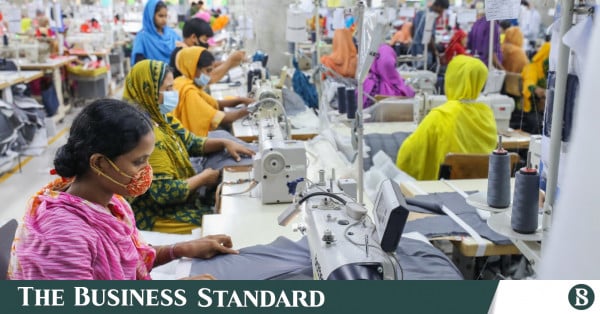
Dhaka, August 5, 2026 — Three textile and apparel trade bodies have recommended 370 closed and struggling factories to the Bangladesh Bank for loans under the government's Tk 60,000 crore stimulus package, marking the first concrete step toward disbursing funds from the massive recovery programme announced in May.
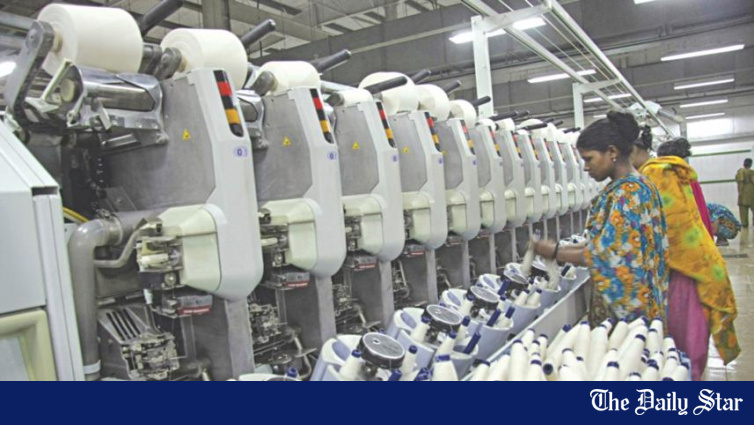
The Bangladesh Garment Manufacturers and Exporters Association (BGMEA) submitted 140 garment factories, the Bangladesh Textile Mills Association (BTMA) recommended 130 textile, spinning, weaving, dyeing, finishing, and printing mills, while the Bangladesh Knitwear Manufacturers and Exporters Association (BKMEA) put forward 100 factories. Presidents of the trade bodies confirmed the development to The Daily Star.
📊 Factory Breakdown by Association
- 👕 BGMEA: 140 garment factories recommended
- 🧵 BTMA: 130 textile, spinning, weaving, dyeing, finishing, printing mills
- 🧱 BKMEA: 100 knitwear factories
- 📊 Total: 370 factories (more than half of ~700 closed/distressed units)
The recommended factories account for more than half of the nearly 700 closed or financially distressed textile and garment units hit by political instability, labour unrest, and operational disruptions over the past two years. Trade bodies said factories were selected based on prolonged shutdowns, financial deterioration, and loan rescheduling during the period. The recommendations were finalised after third-party verification.
✅ Third-Party Audit Ensures Credibility
"We certified the factories only after a third-party audit so that the fund reaches the right recipients," said BGMEA President Mahmud Hasan Khan. The audit requirement reflects lessons from previous stimulus programmes where funds sometimes reached businesses that did not need them, while genuinely distressed factories were left out.
The textile and apparel sector suffered severe disruptions during and after the student-led July Uprising in 2024, affecting factory production and exports. After the fall of the Sheikh Hasina government in August that year, labour unrest spread across major industrial belts, including Savar, Ashulia, Gazipur, Narayanganj, and Bhaluka, where more than 60 percent of the country's textile and garment factories are located, according to the trade bodies.
🚢 Supply Chain Disruptions and Energy Crisis
Several factories and goods-laden trucks bound for Chattogram port were set on fire, disrupting supply chains. Delayed shipments forced many exporters to offer steep discounts to international buyers, rely on costly air freight, and absorb order cancellations. Many factories have yet to fully recover from these compounding shocks.
The industry's woes have been compounded by a prolonged domestic energy crisis and supply chain disruptions linked to geopolitical conflicts, particularly the wars involving Russia and Iran, exporters said. The gas crisis has forced many factories to operate at reduced capacity, while elevated global energy prices have increased production costs across the board.
💰 Tk 60,000 Crore Stimulus Package Structure
Against this backdrop, the central bank unveiled the Tk 60,000 crore stimulus package on May 23 to support distressed businesses, revive investment, and accelerate economic recovery. The package comprises two main components:
- 🏛️ Tk 41,000 crore refinancing fund: Sourced from banks with excess liquidity through deposits of at least 3 years at 10% interest rate
- 💳 Tk 19,000 crore fund: Financed from the central bank's own resources with a government guarantee
Under the refinancing scheme, the allocation breaks down as follows:
- 🏭 Tk 20,000 crore: For closed factories
- 🌾 Tk 10,000 crore: For agriculture and rural activities
- 👥 Tk 5,000 crore: For cottage, micro, small, and medium enterprises (CMSME)
- 🌏 Tk 3,000 crore: For export diversification
- 🌽 Tk 3,000 crore: For the North Bengal Agricultural Hub
Factories certified by BGMEA, BTMA, and BKMEA will be able to apply for the loans through their lien banks, which will process the applications with the Bangladesh Bank.
⚠️ Industry Leaders Caution on Eligibility Constraints
However, industry leaders cautioned that strict eligibility criteria could limit access to the fund. "Many applying mills and factories will not be able to avail the loan from the fund because of stringent conditions in the package, such as classified loans," said BTMA President Showkat Aziz Russell. He added that the stimulus fund alone will not be enough to revive the factories without adequate supply of gas and electricity.
BKMEA President Mohammad Hatem said the fund would help many small and medium-sized factories recover and repay overdue bank loans, although restoring the sector's overall health would take time. The cautious optimism from all three association presidents reflects a sector that has been through extraordinary turbulence and understands that financial stimulus alone cannot solve structural problems like energy supply.
📋 Strategic Context
The submission of 370 factory recommendations represents a critical milestone in the government's economic recovery strategy, but it also highlights the scale of the crisis facing Bangladesh's textile and apparel sector. With nearly 700 factories closed or distressed, the sector that accounts for more than 80 percent of the country's export earnings is operating under extraordinary strain — and the Tk 60,000 crore stimulus, while substantial, addresses only the financial dimension of a multi-dimensional crisis.
The energy crisis that BTMA President Russell flagged remains the binding constraint on sector recovery. Even factories that receive stimulus loans cannot operate at full capacity without reliable gas supply, meaning that the stimulus package must be accompanied by tangible progress on energy supply to deliver its intended economic impact. The coming months will reveal whether the combination of financial support and ( hoped-for ) energy improvements can stabilise the sector — or whether the structural challenges will continue to overwhelm the policy response.
This news was originally published by The Daily Star. For the full original report, please visit: https://www.thedailystar.net/business/economy/news/apparel-bodies-recommend-370-factories-govt-stimulus-4240976
Related on BangladeshExport
📬 Get Bangladesh Trade News in your inbox
Weekly digest of export industry news, policy updates, and market analysis.
📰 Related Stories