Bangladesh Trade Deficit Widens 17.4% in July-January FY26
Import growth outpaces export earnings as dollar crisis and global headwinds impact trade balance
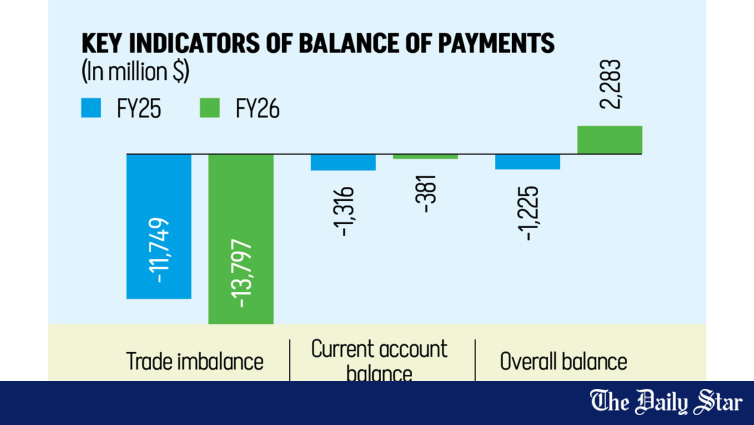
Dhaka, August 2, 2026 — Bangladesh's trade deficit, the gap between what it buys and sells abroad, widened by 17.44 percent in the July-January period of fiscal year 2025-26, due mainly to higher imports and weaker export earnings. The deficit reached $13.79 billion during the seven months, up from $11.74 billion in the same period a year earlier.
According to Bangladesh Bank (BB) data, import bills rose 4.6 percent year-on-year to $39.88 billion. Export earnings, meanwhile, slipped 1.1 percent to $26.09 billion. The widening gap has raised concerns at a time when the US-Israel war on Iran has rattled global oil markets and disrupted shipping routes through the Middle East.
📊 Trade Balance Details
📥 Import payments (Jul-Jan FY26): $39.88 billion (up 4.6% YoY)
📤 Export receipts (Jul-Jan FY26): $26.09 billion (down 1.1% YoY)
💳 Trade deficit: $13.79 billion (up 17.44% from $11.74 billion)
Since tensions escalated in the Middle East, the Bangladeshi currency, the taka, has begun to weaken. A softer currency could raise import costs and place further strain on the trade balance. At the same time, exports have not shown clear growth, while war-driven inflation may reduce demand in Bangladesh's major export markets in the US and European Union.
💰 Current Account and Balance of Payments
Despite the wider trade gap, the country's current account deficit narrowed. This measure, which tracks the net flow of money in and out of the country through trade in goods and services as well as income flows, stood at $381 million in July-January of FY26, compared to $1.31 billion a year earlier.
The financial account also strengthened during the period. Supported by higher net foreign direct investment, the surplus climbed to $2 billion from $331 million a year earlier. Taken together, the changes pushed Bangladesh's overall balance of payments (BoP) into a surplus of $2.28 billion. In the same period last year, the country posted a deficit of $1.22 billion.
👥 Expert Analysis: PRI Vice Chairman Weighs In
Sadiq Ahmed, Vice Chairman of the Policy Research Institute of Bangladesh (PRI), said the fall in exports has raised concerns about the country's BoP outlook. He noted that strong remittance inflows have provided a key support, with remittance earnings bringing in $9 billion more in FY2025 than in FY2022.
However, Ahmed warned that foreign exchange reserves may fall in the second half of FY26 because of weaker exports and rising imports. "Unless there is a major policy setback or a prolonged Iran war, reserves are expected to stabilise at around $30 billion," he said. He added that declining exports, rising external debt and debt servicing, and the Iran war raise questions about the sustainability of the current BoP position.
🔧 Recommendations for Addressing the Deficit
To address these risks, Ahmed recommended diversifying exports, saying double-digit export growth will not be possible without it. "One key requirement is flexible exchange rate management that avoids appreciation of the real effective exchange rate," he added. His second priority was removing anti-export biases in trade policy and improving the country's investment climate.
Key drivers of the widening deficit include:
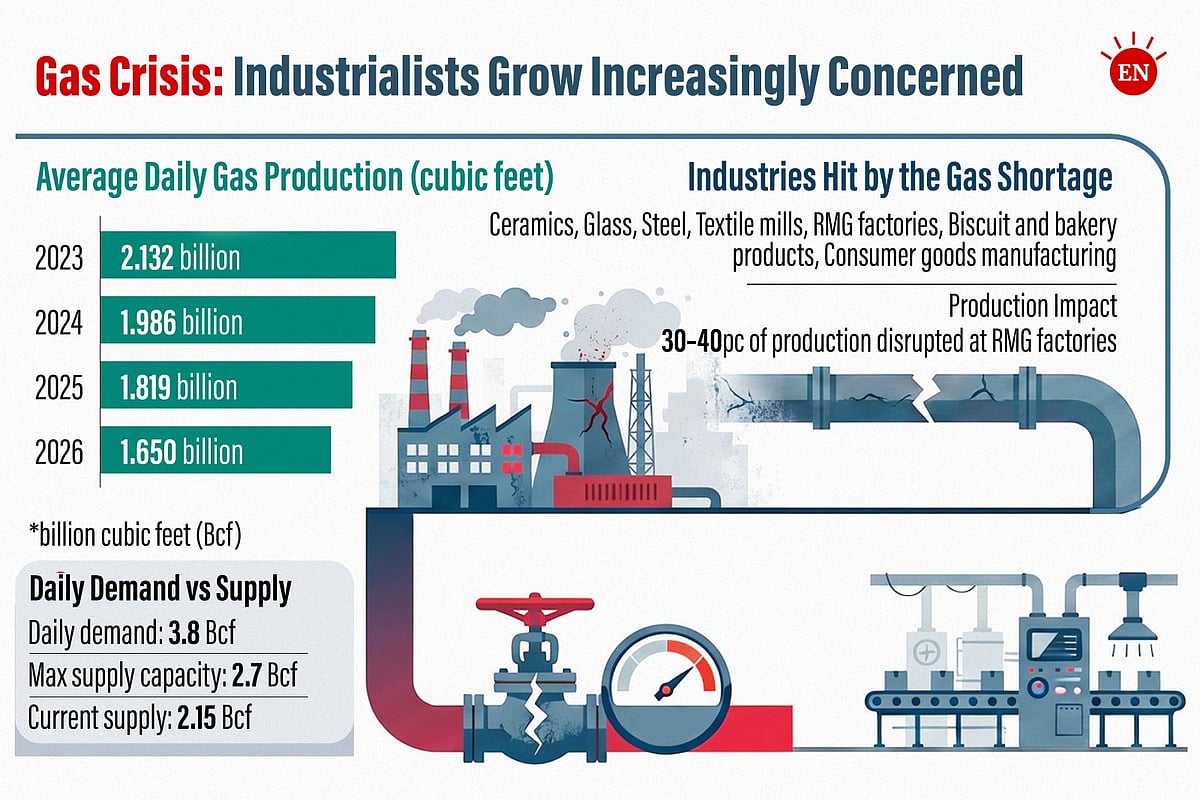
- ⛽ LNG imports: Bangladesh spent an estimated $3-4 billion on LNG to address the gas crisis
- 🌾 Food imports: Wheat, edible oil, and sugar imports increased to meet domestic demand
- 🔧 Capital machinery: Ongoing infrastructure projects drove machinery imports
- 👕 Cotton and textile inputs: RMG sector depends on imported raw cotton and fabrics
- 💊 Pharmaceutical APIs: Active pharmaceutical ingredients imported for medicine manufacturing
📋 Strategic Context and Forex Reserves
The widening trade deficit has direct implications for Bangladesh's foreign exchange reserves, which have been under pressure. Bangladesh's forex reserves currently stand at approximately $19-20 billion, down from peaks of $48 billion in 2021. The central bank has been managing the exchange rate carefully, but continued deficit pressure could lead to further depreciation of the taka against the US dollar.
The widening deficit underscores the urgency of export diversification and import substitution. Bangladesh's heavy reliance on imported raw materials for its export industries creates a structural vulnerability — every dollar of export requires significant import inputs. The government's push for backward linkage industries, particularly in textiles and pharmaceuticals, aims to reduce this import dependence, but progress has been slow.
🌏 Middle East Conflict Impact on Trade
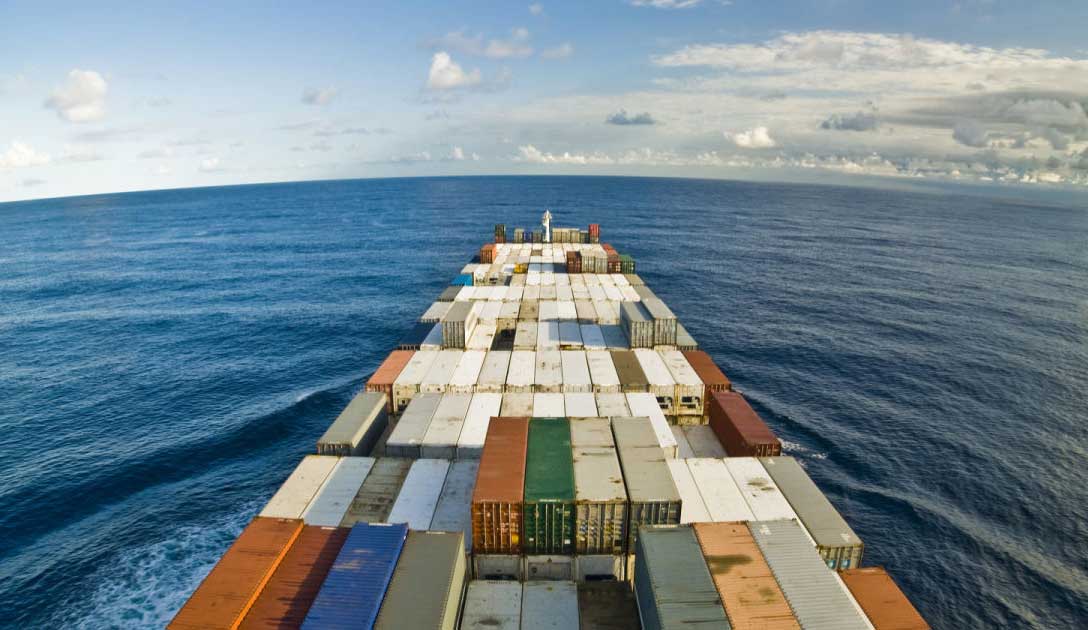
The US-Israel war on Iran has created multiple challenges for Bangladesh's trade balance. Oil price volatility has directly impacted Bangladesh's energy import bill, as the country relies heavily on imported LNG and petroleum products to meet domestic energy demand. The conflict has also disrupted shipping routes through the Strait of Hormuz, increasing freight costs and transit times for both imports and exports.
Bangladesh's export-oriented RMG sector has been particularly affected by the shipping disruptions, as container freight rates to European and US markets have increased significantly. Some shipments have been delayed by weeks, leading to cancelled orders and financial penalties from buyers. The combination of higher import costs and lower export earnings creates a compounding effect on the trade deficit that could persist if the Middle East situation remains unresolved.
The central bank has been using its reserves to manage the exchange rate and prevent excessive depreciation of the taka, but this strategy has limits. If the trade deficit continues to widen, Bangladesh may need to seek external financing or implement import compression measures to stabilize the balance of payments. The government is also exploring alternative shipping routes and energy sources to mitigate the impact of the Middle East conflict on trade flows.
This news was originally published by The Daily Star. For the full original report, please visit: https://www.thedailystar.net/business/economy/news/trade-deficit-widens-174-july-january-4127556
📬 Get Bangladesh Trade News in your inbox
Weekly digest of export industry news, policy updates, and market analysis.
📰 Related Stories