Over 20% of Bangladesh Garment Factories Declare Three-Day Break Amid Gas Crisis
Workers rush home for extended holiday around August 5 public holiday; BGMEA senior VP Inamul Haq Khan says bridge holidays common; gas shortage also a factor for some closures
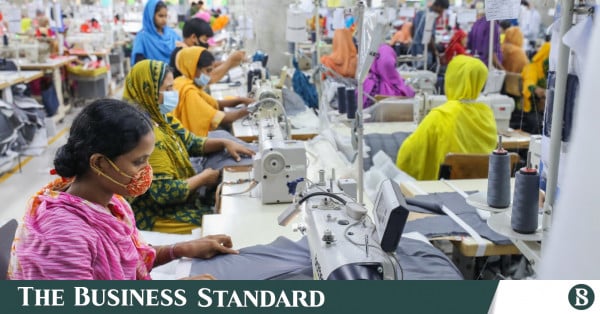
Dhaka, August 5, 2026 — More than 20 percent of Bangladesh's garment factories have declared a three-day break, sparking a rush of workers heading home to their villages — a phenomenon driven by both the August 5 public holiday and the ongoing gas crisis that has made production increasingly difficult for many factories.
With 5 August a public holiday and Friday the weekly holiday, many factories declared Thursday an additional day off. Workers will make up the lost hours before or after the break, a practice that has become common in the garment sector. The highest number of factories granting extended leave are located in and around Dhaka, Gazipur, Mymensingh, Savar, Narayanganj, and Manikganj — the industrial belts that house the majority of Bangladesh's garment manufacturing capacity.
📊 Factory Breakdown
According to the Bangladesh Garment Manufacturers and Exporters Association (BGMEA) and the Bangladesh Knitwear Manufacturers and Exporters Association (BKMEA), the country has around 3,000 export-oriented garment factories. With more than 20 percent declaring the three-day break, that translates to approximately 600+ factories extending the holiday.
- 👥 Total export-oriented factories: ~3,000
- 📊 Factories on three-day break: 20%+ (~600+)
- 📍 Affected areas: Dhaka, Gazipur, Mymensingh, Savar, Narayanganj, Manikganj
- 📅 Holiday structure: Thursday (bridge) + Friday (weekly) + August 5 (public holiday)
💬 BGMEA Senior VP: Bridge Holidays Common
Inamul Haq Khan, managing director of Ananta Garments and senior vice-president of BGMEA, told The Business Standard that his factory declared a three-day holiday by adding a bridge holiday to the two official holidays. "We use alternative energy, so the gas shortage does not affect our operations. The extra day off allows workers to visit their villages, and they have already made up the lost working hours," he said.
Inamul said bridge holidays have become common in recent years and are beneficial for industrial relations. He added that some factories also opted for extended closures because of gas shortages and reduced work orders — acknowledging that while the official reason for the break is the public holiday, the gas crisis is a contributing factor for some factories that would struggle to maintain production anyway.
📋 Strategic Context
The mass factory closures — even if temporary — highlight the dual pressures facing Bangladesh's garment sector: the gas crisis that makes production difficult, and the need to maintain worker welfare through reasonable holiday arrangements. The fact that more than 20 percent of factories chose to extend the holiday suggests that many factories see little point in operating at reduced capacity when gas supply is unreliable. For the workers, the three-day break provides a rare opportunity to visit family in rural areas — but the extended absence also means lost wages for daily-wage workers, and the promise of "making up lost hours" may be difficult to fulfill if gas supply remains constrained after the holiday.
The BGMEA senior VP's comment that his factory uses "alternative energy" and is therefore unaffected by the gas shortage is notable — it suggests that factories that have invested in alternative energy sources (such as captive power plants or rooftop solar) are better positioned to maintain production during the gas crisis. This dynamic may accelerate investment in energy self-sufficiency within the garment sector, as factories that can operate independently of the gas grid gain a competitive advantage over those that cannot. The three-day break, while primarily a holiday arrangement, also serves as an informal indicator of the sector's operational health — and the 20 percent participation rate suggests that a significant portion of the industry is operating under conditions where a temporary shutdown is more economically rational than continued operation at reduced capacity.
This news was originally published by The Business Standard. For the full original report, please visit: https://www.tbsnews.net/economy/rmg/more-20-garment-factories-declare-three-day-break-sparking-workers-rush-home-1507581
Related on BangladeshExport
📬 Get Bangladesh Trade News in your inbox
Weekly digest of export industry news, policy updates, and market analysis.
📰 Related Stories