2.1 Million More Bangladeshis Fell Below Poverty Line In FY26 As Poverty Rate Rises To 22.5 Percent: World Bank
World Bank October 2026 Bangladesh Development Update shows national poverty rate rose from 18.7% in 2022 to 22.5% in FY26; nearly 62 million Bangladeshis remain vulnerable to falling into poverty.
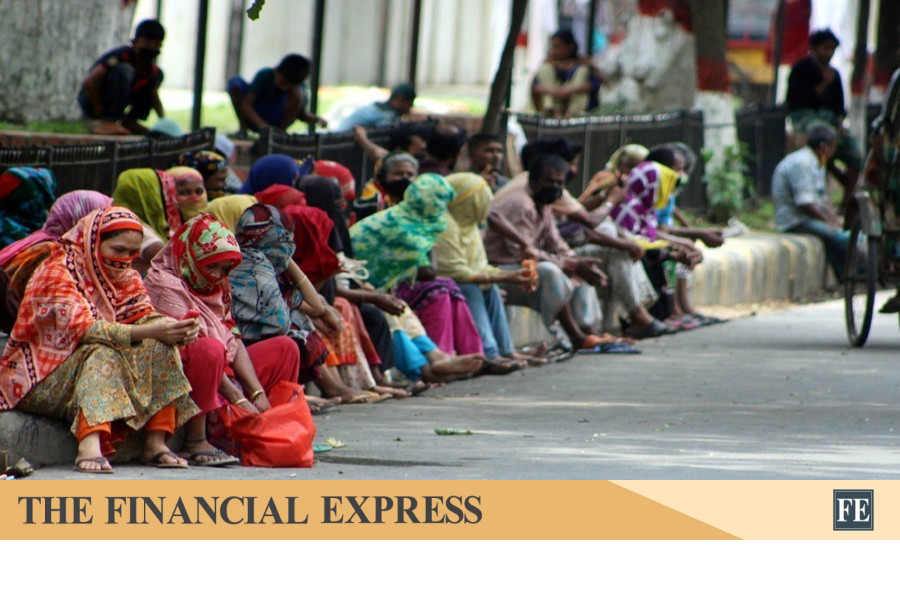
📊 Bangladesh is going to observe the International Day for Eradication of Poverty today (Saturday) with a worsening poverty situation, as prolonged economic slowdown, persistent inflation and shrinking employment opportunities push more people below the poverty line. The World Bank (WB) estimates that the country''s national poverty rate rose to 22.5 per cent in fiscal year (FY) 2025-26, up from 18.7 per cent in 2022, reversing part of the progress Bangladesh made in reducing poverty over the past decade.
👥 According to the WB''s October 2026 Bangladesh Development Update report, around 2.1 million additional people fell below the international poverty line during last FY2026. The report also warns that nearly 62 million Bangladeshis remain vulnerable to falling into poverty following an economic or personal shock. The findings came ahead of 17 October observed globally as the International Day for the Eradication of Poverty, highlighting the growing challenge facing policymakers as the country struggles to restore economic growth, protect household purchasing power and generate adequate employment.
🏛 The reversal of progress
The rise in the poverty rate from 18.7% in 2022 to 22.5% in FY26 represents a reversal of Bangladesh''s long-running success in poverty reduction. Over the past two decades, Bangladesh had been one of the world''s most successful countries in reducing poverty — the poverty rate fell from over 40% in the 1990s to under 20% by 2020. This progress was driven by a combination of factors: sustained economic growth, strong export performance from the readymade garment sector, robust remittance inflows, and significant investments in social safety nets and human development.
The reversal of this progress in recent years reflects the cumulative impact of multiple macroeconomic shocks. The COVID-19 pandemic disrupted economic activity and pushed many households into poverty. The Russia-Ukraine war elevated global commodity prices, particularly for food and fuel. The Middle East crisis has further elevated energy prices and disrupted trade. And domestic macroeconomic challenges — including elevated inflation, weak private sector credit growth, and banking sector stress — have constrained economic growth and employment creation.
💰 Macroeconomic drivers of poverty increase
Several macroeconomic factors have driven the increase in poverty:
- 📊 Elevated inflation: Inflation has been running above 8% for several months, eroding the purchasing power of households — particularly low-income households that spend a large share of their income on food.
- 📊 Weak economic growth: GDP growth has slowed to 3-4%, well below the 6-7% rates that Bangladesh achieved in the previous decade. Slower growth means fewer employment opportunities and lower income growth.
- 📊 High food prices: Food inflation has been particularly elevated, affecting the nutritional intake of low-income households and pushing some into food insecurity.
- 📊 Reduced remittance growth: Remittance inflows — a critical source of income for many Bangladeshi households — have grown more slowly in recent years, reducing household incomes.
- 📊 Employment challenges: The World Bank report notes that 2 million people enter Bangladesh''s labour market each year but only 900,000 find jobs — leaving a significant employment gap that contributes to poverty.
🌏 The 62 million vulnerable
The World Bank''s warning that nearly 62 million Bangladeshis remain vulnerable to falling into poverty following an economic or personal shock is particularly concerning. This represents a large share of the country''s population that is living just above the poverty line — and that could be pushed below it by a relatively modest economic shock, such as a job loss, a health emergency, or a further increase in food prices.
The high number of vulnerable Bangladeshis reflects the structural weaknesses in the country''s social protection system. While Bangladesh has made progress in expanding social safety nets in recent years — including through programmes like the Vulnerable Group Feeding (VGF) programme, the Old Age Allowance, and the Widow''s Allowance — the coverage and adequacy of these programmes remain limited relative to the scale of vulnerability. Many households that are vulnerable to poverty are not covered by existing social protection programmes, leaving them exposed to economic shocks.
🤝 What needs to happen
Reversing the poverty increase will require sustained action on multiple fronts:
- ✅ Macroeconomic stabilisation: Bringing inflation under control and restoring economic growth are the most important steps. The proposed IMF programme and associated reforms should support this agenda.
- ✅ Social protection expansion: Strengthening social safety nets to protect the most vulnerable, with particular focus on children, the elderly, and female-headed households.
- ✅ Employment generation: Implementing policies that support job creation, particularly in labour-intensive sectors like readymade garments, agriculture, and construction.
- ✅ Food security: Addressing food inflation through supply-side measures, including improved agricultural productivity, better food distribution, and targeted food assistance for vulnerable households.
- ✅ Skills development: Investing in education and skills development to improve the employability and productivity of the labour force.
💰 Looking ahead
For Bangladesh, the World Bank''s poverty findings are a stark reminder of the human cost of macroeconomic underperformance. The 2.1 million additional people pushed below the poverty line in FY26 are not just statistics — they are real people who have lost their livelihoods, their food security, and their hopes for a better future. Reversing this trend requires urgent and sustained action to restore economic growth, control inflation, and protect the most vulnerable.
The coming years will be critical for Bangladesh''s poverty reduction agenda. If the government can successfully implement the reforms needed to restore macroeconomic stability and growth, the poverty rate could begin to decline again. If the macroeconomic challenges persist or worsen, the poverty rate could continue to rise — putting further pressure on the country''s social fabric and development trajectory. The stakes are high, both for the millions of Bangladeshis who are struggling to make ends meet and for the country''s broader development ambitions.
This news was originally published by The Financial Express. For the full original report, please visit: https://thefinancialexpress.com.bd/economy/21m-more-fell-below-poverty-line-in-fy26
📬 Get Bangladesh Trade News in your inbox
Weekly digest of export industry news, policy updates, and market analysis.
📰 Related Stories