Alarming Rise of Non-Tariff Measures Hits Bangladesh Exports
UNCTAD report shows NTMs impose higher trade costs than tariffs for 88% of countries, disproportionately affecting LDCs
Dhaka, August 2, 2026 — Following US President Donald Trump's tariff blitz last year, countries worldwide have been shaken by the rise in tariff barriers. Trump's move provoked many countries to impose higher tariffs on imports, increasing trade costs for their partners. Besides the surge in tariffs, the rise in non-tariff barriers (NTBs) has become a serious problem for developing nations. Though non-tariff measures (NTMs) are not new in global trade, recently a new wave of NTMs has evolved into NTBs, according to a new UNCTAD report.
📊 UNCTAD Findings: The Hidden Trade Barrier
The UN Conference on Trade and Development (UNCTAD), in its latest global trade update, highlighted the issue. The report showed tariffs increased sharply in 2025 — rising by 10 percent for developed countries, 16 percent for developing countries, and 18 percent for least developed countries (LDCs). Even so, tariffs are not the main cost for most countries because NTMs impose higher export costs than tariffs for 88 percent of nations.
"They include technical regulations, health and safety requirements, and administrative procedures," said the UNCTAD report. "They often involve compliance, information and procedural costs." NTMs such as regulations, mandatory standards, or product requirements now drive most trade costs, shaping who trades, what is traded, and to which markets. "For developing countries, this creates a double burden. They face higher tariffs while also trying to meet increasingly complex rules," the report added.
🔍 Types of NTMs Affecting Trade
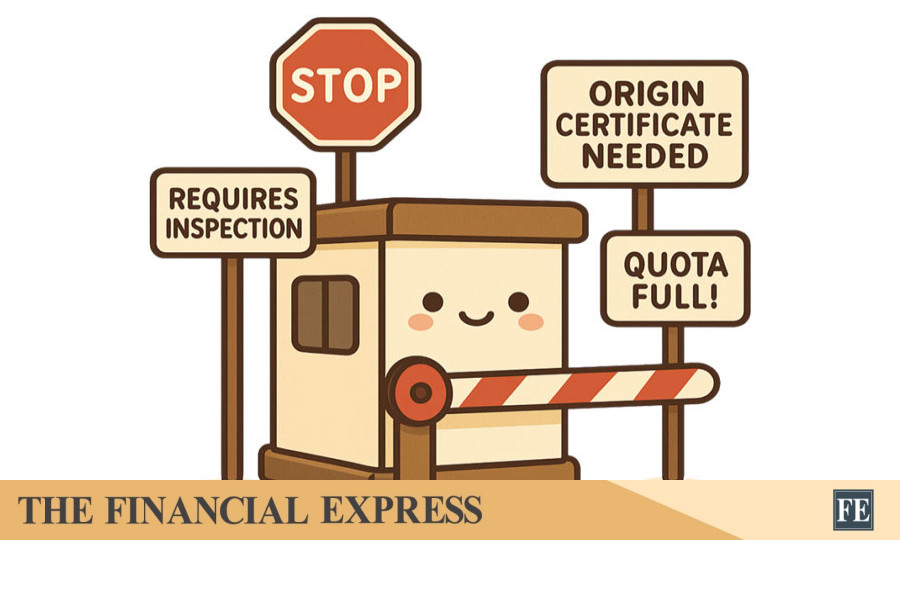
NTMs are broadly defined as policy measures other than tariffs that affect international trade in goods. Most NTMs are technical measures aimed at protecting public health and the environment and are essential public policy instruments. Nevertheless, they may have substantial trade effects by generating information, compliance, and procedural costs. Some NTMs are NTBs, such as import licensing requirements, quotas, import prohibitions, and export bans.
The international classification of NTMs includes:
- ✅ Sanitary and Phytosanitary (SPS) measures — food safety, animal/plant health
- ✅ Technical Barriers to Trade (TBT) — technical regulations, standards, labeling
- ✅ Pre-shipment Inspection and other formalities
- ✅ Contingent trade-protective measures — anti-dumping, countervailing duties
- ✅ Non-automatic licensing, quotas, prohibitions, and quantity control
- ✅ Price-control measures
- ✅ Export-related Measures
Other NTMs include finance measures, measures affecting competition, trade-related investment measures, distribution restrictions, restrictions on post-sales services, subsidies, government procurement restrictions, intellectual property, and rules of origin. The scope of NTMs is very wide, with overlaps among various measures. Different countries use different measures in different ways for different purposes.
🏛️ WTO Framework and NTMs
There are three relevant World Trade Organization (WTO) agreements: the General Agreement on Tariffs and Trade 1994 (GATT), the Agreement on Technical Barriers to Trade (TBT Agreement), and the Agreement on the Application of Sanitary and Phytosanitary Measures (SPS Agreement). GATT provisions seek to ensure that WTO members abide by trade liberalisation commitments and do not re-impose protective or restrictive measures through domestic policies that discriminate against imports.
The TBT agreement aims to standardise technical regulations and their application. The SPS agreement asks WTO members to base measures for the protection of human, animal, or plant life or health on international standards. Both agreements restrain members from setting and applying standards that are more trade-restrictive than necessary to achieve a legitimate objective.
👕 Impact on Bangladesh Exports
Due to the diversity and complexity of NTMs, it is difficult for developing countries like Bangladesh to understand the measures and take adequate steps to address them. Resource constraints and a lack of skilled manpower make NTMs more challenging. While developed and some advanced developing nations deploy significant resources to deal with NTMs effectively, others struggle to develop the necessary human resources, technical knowledge, and logistics.
Over the decades, Bangladesh's exports have faced various NTMs in different potential markets. Despite market access thanks to lower tariffs, NTMs often act as NTBs, blocking the potential penetration of Bangladesh-made goods. For the RMG sector, compliance with labour standards, fire safety certifications, and environmental regulations adds 3-5 percent to production costs. For jute products, EU biodegradability standards create additional testing costs. For pharmaceuticals, regulatory approval in each destination market can take 2-5 years.
📋 Strategic Implications for LDC Graduation
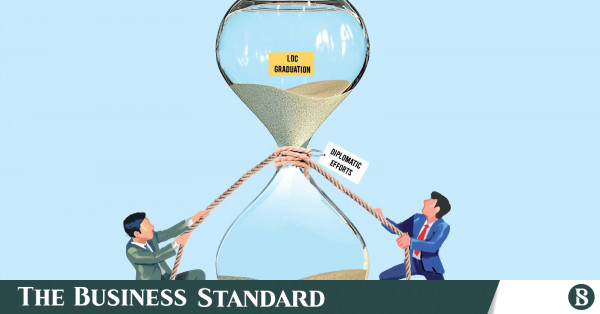
The rise of NTMs has particular significance for Bangladesh as it prepares for LDC graduation. While tariff preferences will be lost, NTMs will persist regardless of LDC status. This means Bangladesh must invest in compliance infrastructure — testing laboratories, certification bodies, and regulatory alignment — to maintain market access. The government's planned National Single Window for trade documentation and the Bangladesh Accreditation Board's expansion of testing capabilities are steps in the right direction.
For Bangladeshi exporters, the message is clear: compliance is no longer optional. The cost of meeting NTM requirements must be built into business models, and government support for compliance infrastructure is essential for maintaining export competitiveness in an increasingly regulated global trading environment.
This news was originally published by The Financial Express. For the full original report, please visit: https://thefinancialexpress.com.bd/columns/alarming-rise-of-ntms
📬 Get Bangladesh Trade News in your inbox
Weekly digest of export industry news, policy updates, and market analysis.
📰 Related Stories