Bangladesh Demands Overdue Climate Finance From Rich Nations Ahead of COP31
State Minister Shama Obaid Islam calls for predictable funding, gender focus and stronger diplomacy before the UN climate conference
🌍 Bangladesh has called on developed nations to honour their long-overdue climate finance commitments, stressing that predictable and adequate funding is essential for climate-vulnerable countries to tackle global warming. The government has also urged greater attention to the needs of women and children and stronger diplomatic engagement ahead of the upcoming UN climate change conference, COP31 — a negotiation Bangladesh enters with both moral authority and hard economic self-interest.
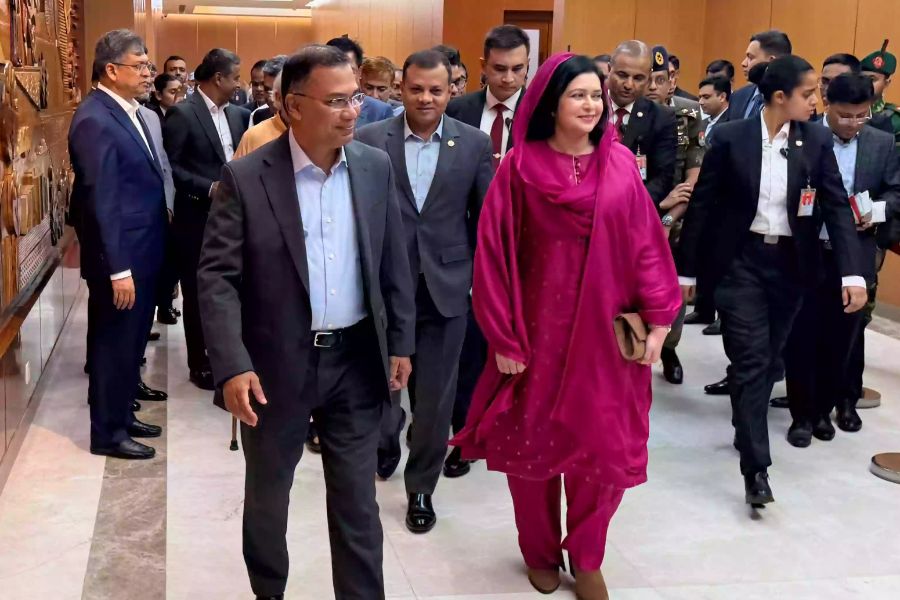
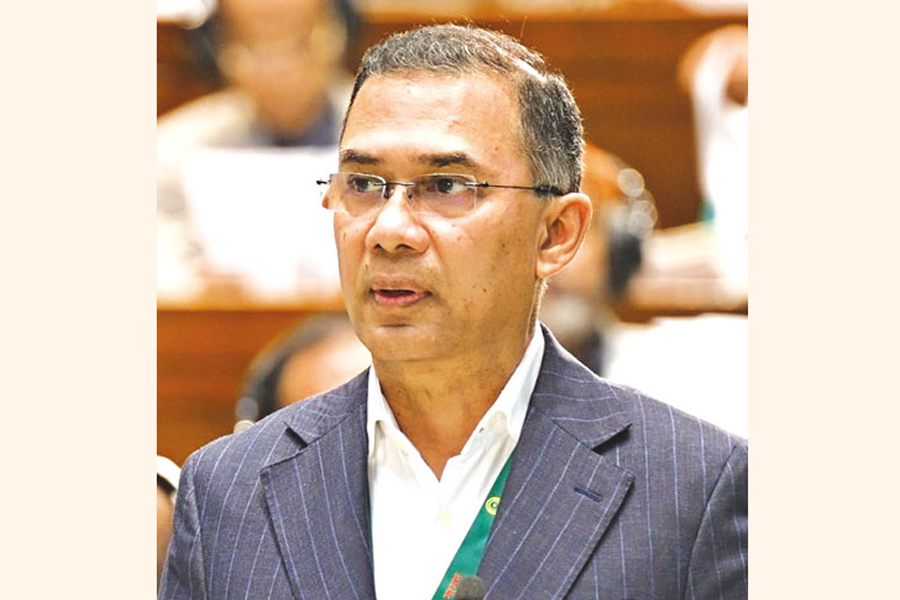
🎛 State Minister for Foreign Affairs Shama Obaid Islam made the call at a national dialogue held at the CIRDAP auditorium in the capital on Saturday, jointly organised by a platform of 33 national and international civil society organisations in the lead-up to COP31. Addressing the dialogue, the state minister highlighted the disproportionate burden borne by developing countries such as Bangladesh as a result of climate change, emphasising that predictable and adequate financial assistance from major carbon-emitting developed nations is essential for mitigation, adaptation and addressing loss and damage.
👩👦 The gender dimension received particular emphasis. Special importance must be given to addressing the specific challenges faced by women and children, Shama Obaid noted, adding that climate resilience efforts cannot succeed without addressing gender-based and social vulnerabilities. Participants at the dialogue also underscored the need for a unified national position and stronger diplomatic engagement ahead of COP31, with representatives of non-governmental organisations, climate experts and civil society leaders attending the session.
💰 Why the finance fight is existential for Bangladesh
📊 The numbers explain the urgency behind the diplomacy. Bangladesh sits among the countries most vulnerable to climate change worldwide — exposed to cyclones, sea-level rise along its coast, salinity intrusion into farmland, and riverbank erosion that displaces hundreds of thousands of people each year — while contributing only a fraction of one percent of global emissions. Adaptation infrastructure — embankments, cyclone shelters, saline-tolerant agriculture, drainage for cities — carries price tags in the tens of billions of dollars, money the country must otherwise divert from schools, health and export-boosting investment.
🤔 The history of climate finance is a history of unfulfilled promises. Developed countries pledged over a decade ago to mobilise $100 billion a year in climate funding for developing nations — a target reached late and largely through loans rather than grants, according to successive assessments. Newer commitments, including the loss-and-damage fund agreed for countries already suffering irreversible climate damage, remain a fraction of the estimated need. For delta countries like Bangladesh, every year of shortfall translates directly into unprotected coastlines and uncompensated disaster losses — which is why the language of predictability and adequacy, rather than mere availability, has become the negotiating frontline.
🏢 The economic case is not abstract. The World Bank and other institutions have projected substantial losses to Bangladesh's GDP from climate impacts without strong adaptation, with the garment industrial belt — concentrated in flood-exposed districts — among the exposed assets. Export infrastructure, from Chattogram's port corridors to the EPZs that anchor foreign investment, sits in the path of storm surge and heat extremes. Climate finance, in this reading, is not charity: it is the capital budget that keeps a low-emitting country's growth path — and the factories that employ millions — insurable and intact.
🤝 The dialogue's call for a unified national position reflects hard-won experience: climate negotiations reward coordinated blocs, and Bangladesh's leverage multiplies when government negotiators, civil society observers and technical experts carry consistent messages into the halls of COP31. The state minister's insistence on gender and child-centred priorities also aligns Bangladesh with the growing global consensus that adaptation finance works best when it reaches the households that experience climate impacts first — women managing water scarcity, children whose schooling collapses with each displaced community.
🔭 The test now moves from Dhaka's auditoriums to the COP31 negotiating rooms: whether Bangladesh and its allies can convert documented vulnerability and repeated promises into binding delivery mechanisms — grant-based, predictable, and scaled to actual loss. Every previous COP has widened the gap between pledge and disbursement; the national dialogue's message, delivered on behalf of 170 million people on a delta, is that the era of aspirational climate numbers must end where the monsoon begins.
📦 The mechanics of delivery matter as much as the totals. Climate finance that arrives as loans adds to the debt stress of countries already navigating sovereign-bond markets, and finance that requires years of proposal cycles cannot protect a coastline that erodes every monsoon. Bangladeshi negotiators have consequently pushed for direct-access modalities — where national institutions receive and deploy funds without routing through layers of international intermediaries — and for loss-and-damage disbursements that respond to disasters rather than project pipelines. These procedural demands rarely make headlines, but they determine how many taka of every promised dollar actually arrive in an embankment budget.
🚀 There is also a domestic agenda implicit in the dialogue: the stronger Bangladesh's own record of transparency, project execution and community-level targeting, the harder it is for donor capitals to cite absorption problems as a reason for delay. Hosting 33 civil society organisations in one coalition ahead of COP31 is itself part of that record — demonstrating the institutional depth that climate-vulnerable countries need if their demands are to be treated as programmes rather than appeals.
This news was originally published by The Financial Express. For the full original report, please visit: https://thefinancialexpress.com.bd/bangladesh/bd-urges-rich-nations-to-deliver-overdue-climate-finance
📬 Get Bangladesh Trade News in your inbox
Weekly digest of export industry news, policy updates, and market analysis.
📰 Related Stories