BGMEA vs BKMEA: What Every Garment Buyer Needs to Know
Understanding the difference between BGMEA (woven) and BKMEA (knit) is essential for sourcing garments from Bangladesh.
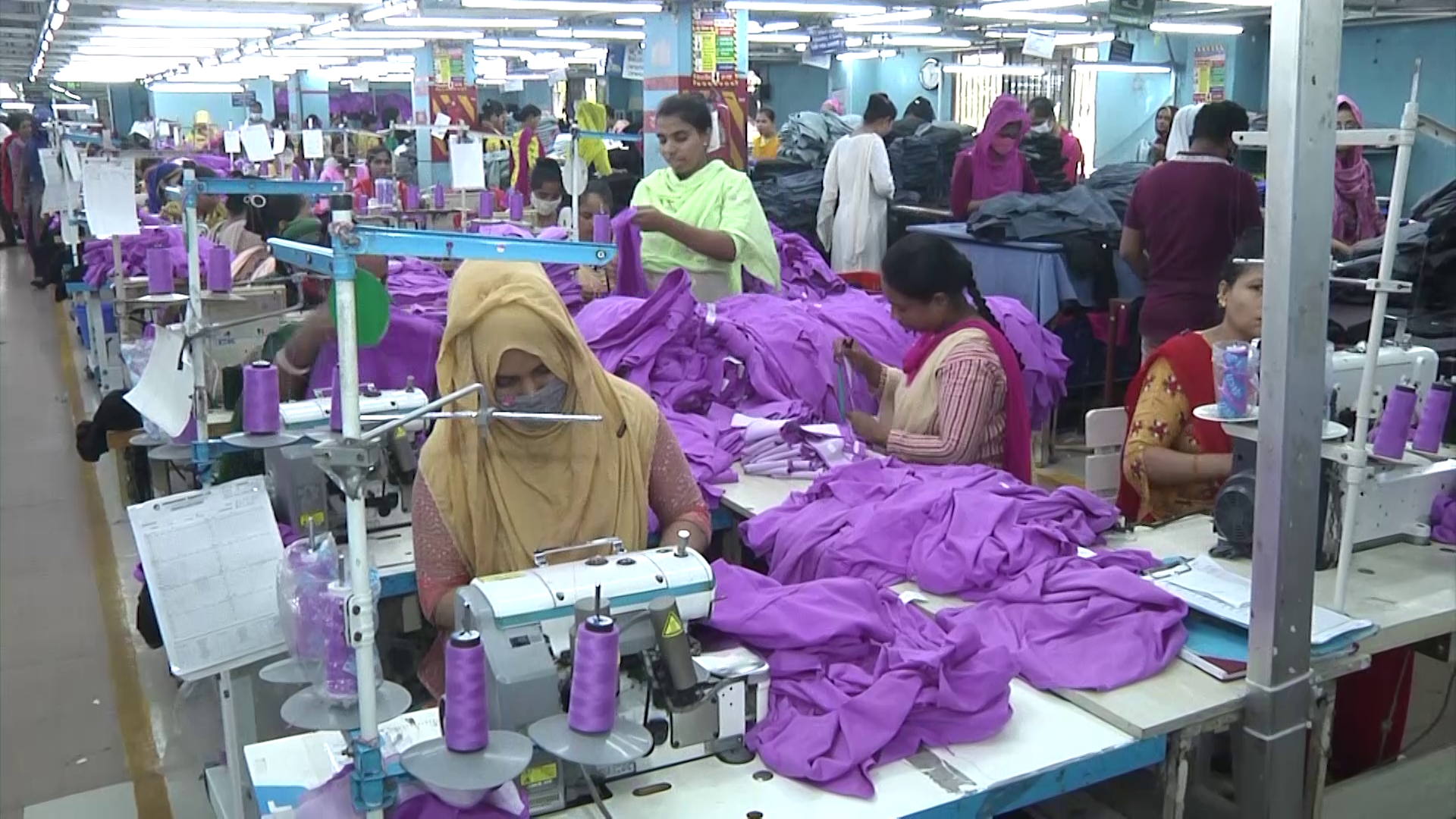
BGMEA vs BKMEA: What Every Garment Buyer Needs to Know
When sourcing garments from Bangladesh, international buyers frequently encounter two industry associations: BGMEA (Bangladesh Garment Manufacturers and Exporters Association) and BKMEA (Bangladesh Knitwear Manufacturers and Exporters Association). Understanding the difference between these organizations is essential for supplier verification, compliance assurance, and navigating the Bangladesh RMG landscape effectively.
What is BGMEA?
BGMEA is the apex trade body for the woven garment sector in Bangladesh. Founded in 1977, it represents over 4,275 member factories that produce woven garments — shirts, trousers, jackets, dresses, suits, and other tailored clothing made from woven fabrics (HS Chapter 62). BGMEA members account for approximately 37.7% of Bangladesh's total exports ($16.53 billion annually). The organization provides member services including trade information, compliance monitoring, arbitration, and advocacy with the government. BGMEA operates from its headquarters in Dhaka with regional offices in Chittagong and Gazipur.
What is BKMEA?
BKMEA represents the knitwear sector — garments produced by knitting or crocheting (HS Chapter 61). Established in 1996, BKMEA has over 2,000 member factories producing T-shirts, sweaters, polo shirts, hoodies, and other knitted garments. BKMEA members account for approximately 42.9% of Bangladesh's total exports ($18.78 billion annually). BKMEA is headquartered in Dhaka with a strong presence in Narayanganj, the traditional center of Bangladesh's knitwear industry. The organization provides similar services to BGMEA but focuses on the unique needs of knitwear manufacturers.
Key Differences for Buyers
For international buyers, the key distinction is the product type: if you're sourcing T-shirts, sweaters, or other knitted garments, your supplier should be a BKMEA member. If you're sourcing shirts, trousers, or other woven garments, your supplier should be a BGMEA member. Some large factories are members of both associations, as they produce both knitted and woven garments. Both associations maintain online member directories where buyers can verify membership status, factory address, and compliance certifications.
Compliance and Safety Standards
Both BGMEA and BKMEA enforce compliance standards covering structural integrity, fire safety, electrical safety, and labor rights. Following the Rana Plaza tragedy in 2013, both associations partnered with international initiatives — the Accord on Fire and Building Safety (EU brands) and the Alliance for Bangladesh Worker Safety (US brands) — to inspect and remediate all member factories. Today, the Remediation Standard Compliance Cell (RSCC) continues independent third-party audits. Buyers should request their supplier's latest compliance certificate and verify it through the respective association's website.
How to Verify Membership
BGMEA membership can be verified at bgmea.com.bd/page/member-list — the directory is searchable by company name, BGMEA registration number, or product category. BKMEA membership can be verified at bkmea.com. Both directories show: company name, registration number, factory address, contact information, and compliance status. A valid membership in either association is a strong indicator that the factory is legitimate and meets minimum safety and labor standards.
Membership Benefits for Suppliers
BGMEA and BKMEA membership provides suppliers with: access to the bonded warehouse facility (duty-free import of raw materials); eligibility for cash assistance (government export subsidy); participation in trade fairs and buyer-seller meetings; access to market intelligence and trade data; dispute resolution services; and representation in government policy discussions. These benefits directly translate to competitive pricing for international buyers.
Why Membership Matters for Buyers
For international buyers, sourcing from BGMEA or BKMEA member factories provides several assurances: (1) the factory is legally registered and licensed to export; (2) the factory has been inspected for structural, fire, and electrical safety; (3) the factory complies with Bangladesh labor laws including minimum wage; (4) the factory can provide a Certificate of Origin for preferential duty claims; (5) the factory has access to bonded warehouse facilities, reducing input costs. Non-member factories may offer lower prices but carry significantly higher risk.
The Future of BGMEA and BKMEA
Both associations are actively working to improve the industry's sustainability profile. BGMEA has launched the "BGMEA Sustainability Compact" focusing on environmental compliance, circular economy, and worker welfare. BKMEA is investing in skills development and technology upgrade programs. With Bangladesh's graduation from LDC status expected in 2026, both associations are preparing for the transition from EU EBA to GSP+ preferential access, which will require compliance with 27 international conventions on human rights, labor standards, and environmental protection.
Always verify your supplier's BGMEA or BKMEA membership before placing an order. Visit BangladeshExport.com's Verify-a-Supplier hub for step-by-step verification instructions.
Frequently Asked Questions
What is the difference between BGMEA and BKMEA?
BGMEA represents woven garment manufacturers (shirts, trousers, jackets) while BKMEA represents knitwear manufacturers (T-shirts, sweaters, hoodies). BGMEA was founded in 1977 with 4,275 member factories accounting for 37.7% of Bangladesh's exports. BKMEA was established in 1996 with 2,000 member factories representing 42.9 of exports. The key distinction for buyers is the product type their suppliers produce.
How can I verify if a factory is a member of BGMEA or BKMEA?
Both associations maintain online member directories for verification. BGMEA membership can be verified at bgmea.com.bd/page/me. Buyers should check these directories to confirm a supplier's membership status, factory address, and compliance certifications. Some large factories are members of both associations if they produce both knitted and woven garments.
What compliance standards do BGMEA and BKMEA enforce?
Both associations enforce compliance standards covering structural integrity, fire safety, electrical safety, and labor rights. Following the 2013 Rana Plaza tragedy, they partnered with international initiatives like the Accord on Fire and Building Safety and the Alliance for Bangladesh Worker Safety. Today, the Remediation Standard Compliance Cell (RSCC) conducts independent third-party audits of member factories.
Which association should I contact if I'm sourcing T-shirts and sweaters?
If you're sourcing T-shirts, sweaters, polo shirts, hoodies, or other knitted garments, you should work with BKMEA member factories. BKMEA specifically represents the knitwear sector (HS Chapter 61) and has over 2,000 member factories producing these types of garments. You can verify BKMEA membership through their official directory to ensure your supplier is legitimate.
What percentage of Bangladesh's total exports do BGMEA and BKMEA members account for?
BGMEA members account for approximately 37.7% of Bangladesh's total exports, valued at $16.53 billion annually. BKMEA members represent about 42.9% of total exports, valued at $18.78 billion annually. Together, these two associations cover a significant portion of Bangladesh's ready-made garment export industry.
Do BGMEA and BKMEA provide services to their member factories?
Yes, both associations provide various services to their member factories. BGMEA offers trade information, compliance monitoring, arbitration, and government advocacy. BKMEA provides similar services but focuses on the unique needs of knitwear manufacturers. Both organizations operate from headquarters in Dhaka with regional offices in key industrial areas of Bangladesh.