Bangladesh RMG Compliance Standards: ACCORD, Alliance, NIRAPON
After Rana Plaza (2013), Bangladesh RMG sector underwent major safety reforms. Learn about ACCORD, Alliance, NIRAPON, and current compliance requirements.
Bangladesh RMG Compliance Standards: ACCORD, Alliance, NIRAPON
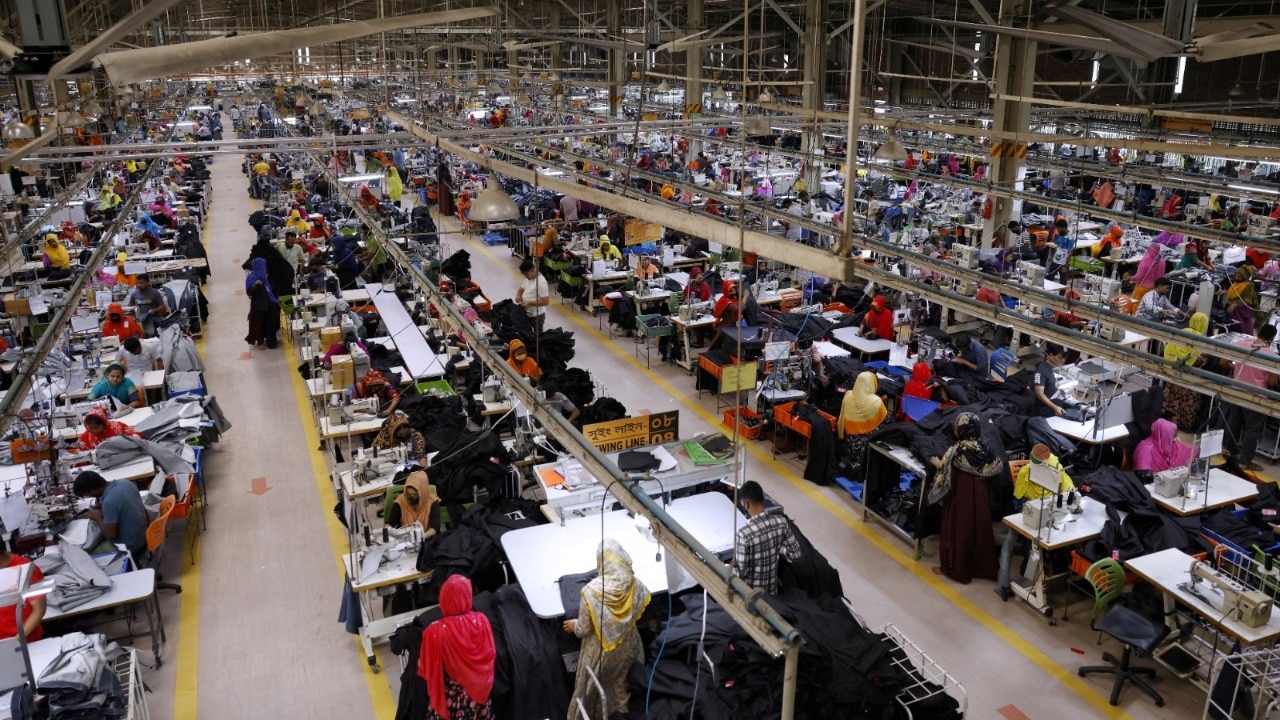
Following the Rana Plaza tragedy in 2013, Bangladesh's RMG sector underwent the most comprehensive safety remediation program in the history of the global garment industry. This guide explains the three major compliance initiatives and what they mean for international buyers sourcing from Bangladesh.
The Rana Plaza Turning Point
On April 24, 2013, the Rana Plaza factory complex collapsed, killing 1,134 people and injuring 2,500 more. This disaster triggered unprecedented action from the global apparel industry. Over 200 brands committed to safety initiatives that fundamentally transformed Bangladesh's garment sector.
The Accord on Fire and Building Safety in Bangladesh
Launched in May 2013, the Accord was a legally binding agreement between 220+ brands (primarily European) and global unions. It conducted inspections of 1,600+ factories covering structural, fire, and electrical safety. Key achievements: 84,000+ safety issues identified, 90%+ remediated, 2 million+ workers trained on safety. The Accord transitioned to the RSCC (Remediation Standard Compliance Cell) in 2020, now managed locally with continued brand oversight.
The Alliance for Bangladesh Worker Safety
The Alliance was the US-brand counterpart to the Accord, launched in July 2013 by 26 North American brands. It inspected 700+ factories, identified 100,000+ safety issues, and achieved 95%+ remediation. The Alliance completed its mandate in 2018 and transitioned operations to local institutions.
NIRAPON
NIRAPON is the local successor organization that maintains safety monitoring after the Accord and Alliance transitions. It operates a safety complaints mechanism, monitors remediation status, and provides ongoing training. NIRAPON covers 800+ factories and processes 1,000+ worker complaints annually.
Current Compliance Landscape
Today, Bangladesh's RMG sector is significantly safer than in 2013. All 4,275 BGMEA member factories must comply with: building safety certificates (from BUET or RajUK), fire licenses, electrical certificates, minimum wage compliance, and labor law adherence. Bangladesh has 215 LEED-certified factories — the highest in any single country.
What Buyers Should Verify
International buyers should: (1) verify BGMEA membership at bgmea.com.bd; (2) request the factory's latest compliance certificate; (3) check for RSCC/NIRAPON registration; (4) request third-party audit reports (BSCI, WRAP, SA8000); (5) conduct periodic factory visits or video tours; (6) maintain a supplier code of conduct.
Frequently Asked Questions
What are the main compliance standards for Bangladesh RMG factories?
The main compliance standards for Bangladesh RMG factories include the Accord on Fire and Building Safety, the Alliance for Bangladesh Worker Safety, and NIRAPON. These initiatives were established after the 2013 Rana Plaza tragedy to improve factory safety. All factories must comply with building safety certificates, fire licenses, electrical certificates, minimum wage compliance, and labor law adherence.
What is the difference between Accord and Alliance in Bangladesh RMG?
The Accord was a legally binding agreement between 220+ primarily European brands and global unions, while the Alliance was the US-brand counterpart with 26 North American brands. The Accord inspected 1,600+ factories and identified 84,000+ safety issues, while the Alliance inspected 700+ factories and identified 100,000+ safety issues. The Accord transitioned to RSCC in 2020, while the Alliance completed its mandate in 2018.
What is NIRAPON in Bangladesh garment industry?
NIRAPON is the local successor organization that maintains safety monitoring after the Accord and Alliance transitions. It operates a safety complaints mechanism, monitors remediation status, and provides ongoing training. NIRAPON covers 800+ factories and processes 1,000+ worker complaints annually, ensuring continued safety improvements in Bangladesh's garment sector.
How has Bangladesh RMG compliance improved since Rana Plaza?
Since the Rana Plaza tragedy in 2013, Bangladesh's RMG sector has undergone comprehensive safety remediation. The Accord and Alliance initiatives identified over 180,000 safety issues across 2,300+ factories, with 90-95% remediated. Bangladesh now has 215 LEED-certified factories, the highest in any single country. All 4,275 BGMEA member factories must comply with strict safety standards including building safety certificates, fire licenses, and electrical certificates.
What should international buyers verify when sourcing from Bangladesh?
International buyers should verify: (1) BGMEA membership at bgmea.com.bd; (2) the factory's latest compliance certificate; (3) RSCC/NIRAPON registration; (4) third-party audit reports (BSCI, WRAP, SA8000); (5) conduct periodic factory visits or video tours; and (6) maintain a supplier code of conduct. These steps ensure factories meet safety and compliance standards.
What safety certifications are required for Bangladesh RMG factories?
Bangladesh RMG factories must obtain building safety certificates from BUET or RajUK, fire licenses, and electrical certificates. Additionally, factories should have third-party certifications like BSCI, WRAP, or SA8000. Bangladesh has 215 LEED-certified factories, the highest in any single country, demonstrating the sector's commitment to environmental and safety standards beyond basic requirements.