Shipping Through Strait of Hormuz Slows to Near Standstill After Tanker Attacks
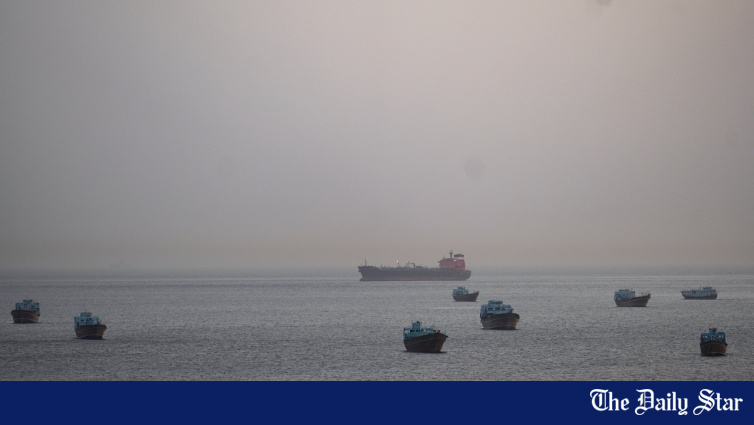
Singapore, August 17, 2026 — Shipping through the Strait of Hormuz slowed dramatically over the weekend following attacks on tankers, while US-Iran talks to resolve the Middle East conflict stalled. Only five commodity vessels transited the strait on Saturday, with none registered for Sunday — versus 31 in the prior weekend, according to shiptracking data from Kpler. The near-standstill represents a dramatic reduction from the more than 130 ships per day that traversed the strait before the US-Israel war on Iran launched in February.
🚢 The Shipping Slowdown Numbers
The Kpler data reveals the dramatic collapse of traffic through one of the world's most critical maritime chokepoints:
- 📉 5 vessels — transited on Saturday (vs 31 prior weekend)
- 🚧 0 vessels — registered for Sunday transit
- 📈 130+ ships/day — normal pre-war traffic level
- 📉 ~96% reduction — from pre-war baseline
- 🚢 1/5 of world oil — normally transits through Hormuz
🚧 The Attack Context
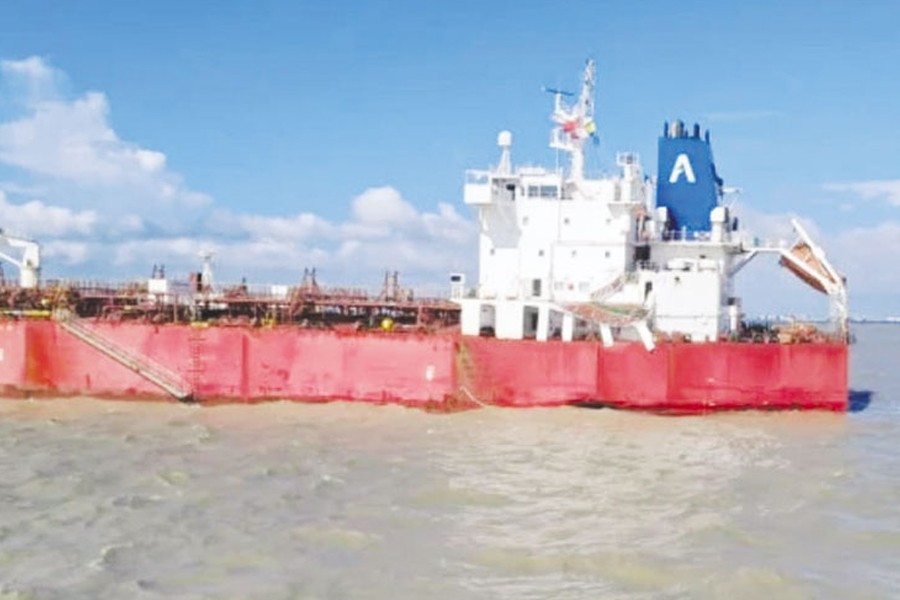
Shipping appeared to grind to a near standstill after the United Arab Emirates said three vessels operated by the Abu Dhabi National Oil Company (ADNOC) were attacked in transit last week. The United States said it could maintain a naval blockade of Iran indefinitely. Key details:
- 🚢 3 ADNOC vessels attacked — UAE national oil company ships targeted
- 🏳️🚧 US naval blockade threat — indefinite blockade of Iran
- 🚧 Transponders off — some ships may pass undetected
- 🌐 Iranian route used — Indian-flagged gas carrier took Iranian route
- 💰 Iran fuel oil tanker — small tanker exited laden
🌐 Iran's Conditions for Resumption
Iranian Foreign Minister Abbas Araqchi said in an interview with local media on Saturday that Washington must meet Iran's conditions regarding the strait in order for shipping to resume. The statement signals that the shipping disruption is not merely a security issue but a deliberate geopolitical leverage tool:
- 🏛️ Iran's conditions — must be met for shipping resumption
- 🤝 Geopolitical leverage — strait used as bargaining chip
- 🚧 US-Iran talks stalled — no resolution in sight
- 🌐 Global oil supply at risk — 20% of world crude normally transits
📊 Impact on Bangladesh's Energy and Trade
The Strait of Hormuz slowdown has direct implications for Bangladesh — which imports LNG, crude oil, and refined petroleum through Middle East shipping routes:
- ⚡ LNG imports — Bangladesh's FSRUs receive LNG cargoes from Middle East
- ⛽ Crude oil — Eastern Refinery processes imported crude
- 💰 Refined petroleum — Bangladesh imports diesel, octane, jet fuel
- 🚢 Shipping costs — insurance premiums rise for Hormuz transit
- 💵 Oil prices — global crude prices affected by disruption
Bangladesh has already been grappling with an energy crisis — with the Finance Minister warning that it will take at least two years to resolve. The Hormuz shipping disruption adds another layer of risk to the country's energy supply chain, potentially delaying LNG cargo deliveries and raising fuel import costs. The Summit LNG FSRU, which recently resumed operations after a disruption, could face further cargo delivery challenges if Hormuz shipping remains disrupted.
🌐 Strategic Context: Global Maritime Security
The Strait of Hormuz is one of the world's most critical maritime chokepoints — handling approximately 20 percent of global crude oil shipments and a significant share of LNG trade. The near-standstill in shipping through the strait has implications far beyond Bangladesh:
- 🌏 Global oil supply — 20% of world crude at risk
- 💰 Energy prices — crude and LNG prices likely to rise
- 🚢 Shipping insurance — war risk premiums escalating
- 🌐 Trade disruption — cargo rerouting adds time and cost
- 🏛️ Geopolitical escalation — US-Iran conflict showing no signs of resolution
For Bangladesh's export economy, the Hormuz disruption underscores the country's vulnerability to global energy supply chain disruptions. With the energy crisis already constraining factory production (over 100 factories halted), any further disruption to LNG or fuel oil imports could deepen the industrial output decline. The government's push for domestic gas exploration resumption, solar power expansion, and energy efficiency measures takes on additional urgency in light of the Hormuz shipping risk — reinforcing the strategic imperative of reducing Bangladesh's dependence on imported energy from the Middle East.
The disruption also affects Bangladesh's broader trade logistics — as container ships and bulk carriers that serve Bangladesh's Chattogram port may need to reroute around the Hormuz disruption, adding transit time and freight costs. For an export economy that depends on just-in-time delivery to Western buyers, any shipping delay in the Middle East corridor can cascade into missed delivery windows and buyer dissatisfaction — particularly for RMG orders during peak seasonal demand periods.
The near-standstill in Hormuz shipping also has implications for global oil and LNG prices — which directly affect Bangladesh's import bill. With the country spending approximately $2.5 billion annually on edible oil imports and significant sums on LNG, crude oil, and refined petroleum, any price spike driven by Hormuz disruption translates into higher import costs, forex pressure, and ultimately consumer price inflation — compounding the economic challenges that Bangladesh's middle class is already facing from energy and food price inflation.
This news was originally published by The Daily Star. For the full original report, please visit: https://www.thedailystar.net/business/economy/news/shipping-slows-through-strait-hormuz-4250206
📬 Get Bangladesh Trade News in your inbox
Weekly digest of export industry news, policy updates, and market analysis.
📰 Related Stories