Bangladesh Bank Sets 54% Higher Agricultural Credit Target at Tk 60,000cr for FY27
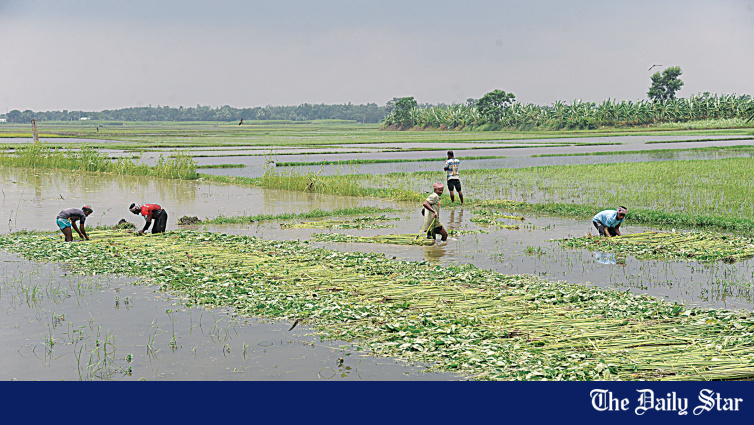
Dhaka, August 17, 2026 — Bangladesh Bank has set a 54 percent higher target for agricultural and rural credit disbursement for fiscal year 2026-27 to boost farm production, contain inflation, and support the rural economy. The central bank has set the target at Tk 60,000 crore — up from Tk 39,000 crore in FY26 — representing one of the most significant agricultural credit expansions in Bangladesh's history.
📊 The Credit Target Numbers
The agricultural and rural credit target has been raised dramatically:
- 💰 Tk 60,000 crore — FY2026-27 target (new)
- 💰 Tk 39,000 crore — FY2025-26 target (previous)
- 📈 54% increase — year-on-year target growth
- 📈 Tk 42,834 crore disbursed — actual FY26 disbursement (exceeded target)
- 📈 Tk 21,000 crore additional — new credit flowing to agriculture
Banks disbursed Tk 42,834 crore in agricultural and rural credit in FY26, exceeding the target for the year, according to BB data. This oversubscription likely influenced the central bank's decision to set a significantly higher target for the new fiscal year.
🏛️ BB Governor Unveils New Target
BB Governor Md Mostaqur Rahman unveiled the new target at a press conference at the central bank's headquarters. The BB said increasing credit to the agricultural sector would help stimulate the rural economy, create jobs, and increase national output by helping rural people become self-reliant.
“Considering the importance of adequate credit flow to the agricultural sector, the target has been set high to support economic growth and control inflation by increasing agricultural production,” the BB said in its statement.
🌾 New Agricultural Credit Categories
The central bank has also relaxed rules on group-based agricultural credit, introducing several new credit categories:
- 🐟 Fish fingerling production — loans for hatcheries
- 🐔 Duck and poultry chick production — expanded livestock credit
- 🐪 Camel farming — new category for emerging livestock sector
- 🧰 Organic fertiliser production — guidelines for eco-friendly fertiliser producers
These new categories reflect BB's recognition that agricultural diversification is essential for rural economic growth — and that traditional crop-focused credit limits the sector's potential.
📅 Crop Production Calendars and Repayment Schedules
The BB has introduced new crop production calendars and repayment schedules for year-round cultivation:
- 🍌 Banana — year-round cultivation credit
- 🍑 Papaya — credit disbursement and harvesting periods specified
- 🥭 Mango — seasonal credit aligned with harvest
- 🍋 Lemon — year-round cultivation support
- 🍉 Guava — crop-specific credit calendar
- 🍊 Litchi — seasonal repayment after harvest
Farmers will start repaying their loans after harvesting their crops — a practical approach that aligns credit repayment with actual income generation cycles, reducing default risk.
👥 Farmer Identification: How Banks Will Find Borrowers
The BB said banks can identify genuine farmers through:
- 📜 Certificates from local agricultural extension officers — verified by government field staff
- 🎣 Certificates from fisheries officers — for aquaculture borrowers
- 🐑 Certificates from livestock officers — for animal husbandry borrowers
- 🆔 Government-issued farmer cards — official identification system
This multi-channel farmer identification approach reduces fraud risk and ensures credit reaches genuine agricultural producers rather than being diverted to non-agricultural uses.
📊 Why This Matters: Agriculture and the Economy
Agriculture remains a critical sector for Bangladesh's economy — employing approximately 45 percent of the workforce and contributing roughly 12 percent of GDP. The Tk 60,000 crore credit target has several strategic objectives:
- 📈 Boost farm production — increase agricultural output to meet domestic demand
- 🚧 Contain food inflation — higher production reduces price pressure
- 👥 Support rural economy — create jobs and rural self-reliance
- 💰 Reduce import dependence — domestic production replaces food imports
- 🌐 Export diversification — support agro-processing for export markets
💼 Banking Sector's Role in Agricultural Credit
The Tk 60,000 crore target will be disbursed through commercial banks, state-owned banks, and specialised agricultural banks. The credit flows through multiple channels:
- 🏢 State-owned banks — Sonali, Agrani, Janata, Rupali (largest agricultural lenders)
- 🏢 Specialised banks — Bangladesh Krishi Bank (BKB), Rajshahi Krishi Unnayan Bank (RAKUB)
- 🏢 Private commercial banks — mandated agricultural credit quotas
- 🏢 NBFIs — non-bank financial institutions with agricultural portfolios
- 👥 Microfinance institutions — PKSF-supported MFIs reaching smallholder farmers
🌐 Strategic Context: Agricultural Credit and Export Economy
For Bangladesh's export economy, agricultural credit expansion has indirect but significant benefits. Strong agricultural production supports the agro-processing export sector — one of the government's priority diversification areas. Additionally, higher rural incomes increase domestic demand for manufactured goods, supporting industrial growth across sectors.
The 54% target increase also signals BB's commitment to using credit policy as an inflation management tool — by boosting agricultural supply to ease food price pressure. With food inflation at 8.7% in June 2026 and headline inflation at 9.21%, the agricultural credit expansion is a targeted supply-side response to the inflation challenge that continues to squeeze Bangladesh's middle class and erode export competitiveness through wage pressure.
This news was originally published by The Daily Star. For the full original report, please visit: https://www.thedailystar.net/business/economy/news/bb-sets-54-higher-agri-rural-credit-target-4250126
Related on BangladeshExport
📬 Get Bangladesh Trade News in your inbox
Weekly digest of export industry news, policy updates, and market analysis.
📰 Related Stories