Washington Slaps 10% Tariff on Dhaka as Reciprocal Trade Deal Signed
Bangladesh signed a reciprocal trade agreement to limit exposure after the US imposed a 10% tariff on its exports.
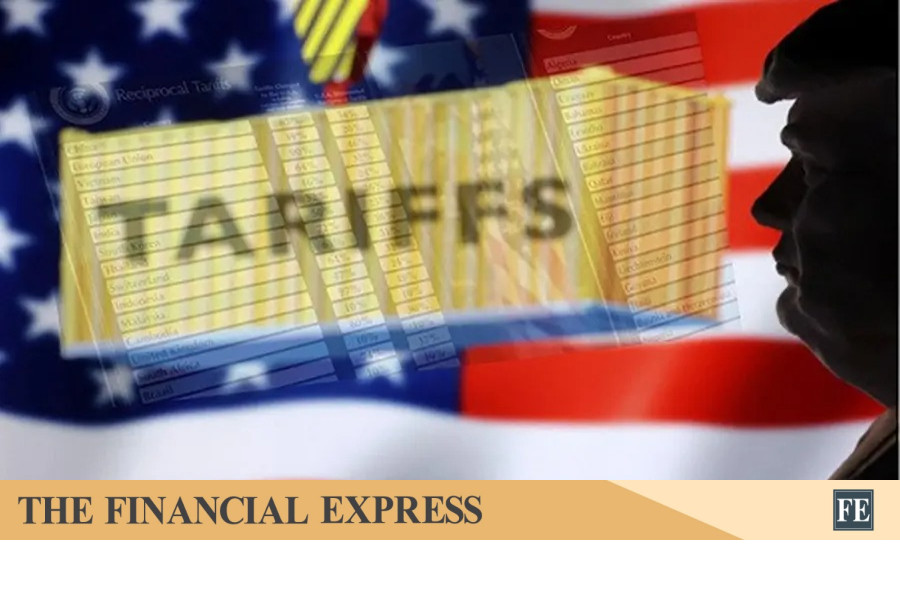
🇺🇸 The United States has imposed a 10% tariff on Bangladeshi exports, a move that reshapes one of Dhaka's most important trade relationships. In response, Bangladesh signed a reciprocal trade agreement aimed at containing the damage and avoiding an even sharper escalation.
What the Tariff Means 📉
A 10% tariff on exports to the United States is significant for Bangladesh because the US is one of the two largest destinations for its readymade garments. The levy effectively raises the landed cost of Bangladeshi apparel in the US market, compressing exporter margins and forcing buyers to reconsider sourcing mixes.
The sectors most exposed include:
- 👕 Knitwear and woven garments, which dominate the US-bound export basket.
- 🧶 Textile made-ups and home furnishings.
- 👟 Leather footwear and accessories.
- 🦐 A smaller but growing share of agro-processed foods.
Why Dhaka Signed a Reciprocal Deal 🤝
faced with the prospect of an even harsher tariff schedule, Bangladesh moved quickly to negotiate a reciprocal trade agreement with Washington. The logic was straightforward: a managed, bilateral arrangement is preferable to a one-sided tariff wall that could have escalated further.
The deal is being framed in Dhaka as damage control rather than a windfall. It does not restore the preferential access Bangladesh previously enjoyed, but it is designed to:
- 🔒 Cap the tariff exposure at the agreed level.
- 🛡️ Protect the bulk of apparel volumes from steeper levies.
- 📖 Establish a framework for future bilateral trade dialogue.
The LDC Graduation Context 🌏
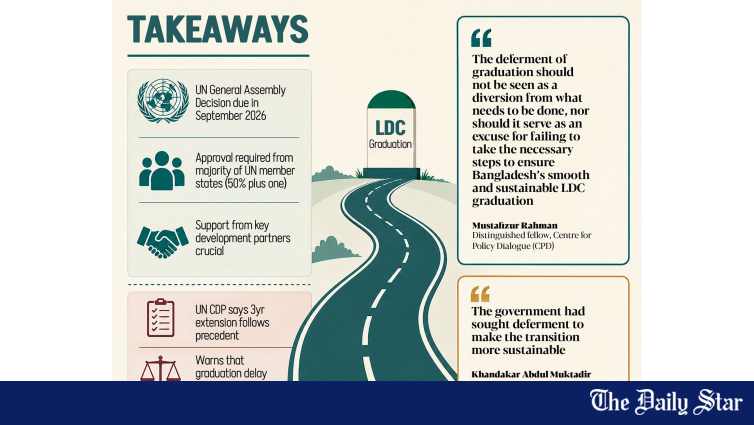
The tariff lands as Bangladesh is preparing to graduate from least-developed-country status. Post-graduation, Dhaka will lose duty-free access to the EU under the Everything But Arms scheme. Losing meaningful US access at the same time would have been a double blow — which is why the reciprocal deal was treated as essential rather than optional.
The episode also underscores a broader truth: Bangladesh can no longer rely on unilateral preference schemes and must invest in a web of bilateral and regional trade agreements to defend market access.
How Exporters Are Reacting 🗣️
The mood among apparel exporters is mixed. There is relief that a worse outcome was avoided, but also clear concern about margin compression. A 10% tariff cannot be fully absorbed by exporters without eroding competitiveness, and passing it through to US buyers risks order leakage to Vietnam, Cambodia and India.
"We will have to share the pain," one Dhaka-based garment exporter told BangladeshExport. "The question is how the burden splits between us, the buyers and the consumers — and whether we can move up the value chain fast enough to justify the price tag."
What Comes Next ⏭️
- 📊 Exporters will be watching order books closely for the next two quarters to gauge volume impact.
- 🧭 The government is expected to accelerate FTA negotiations with other partners to reduce US concentration.
- 💼 BGMEA and BKMEA are likely to push for enhanced export incentives to offset the tariff drag.
The 10% tariff is a reminder that the rules of global trade are shifting fast, and that Bangladesh's next phase of export growth will be won through negotiation, diversification and value addition — not through preference schemes alone. 🌐
This news was originally published by The Financial Express. For the full original report, please visit: https://thefinancialexpress.com.bd/economy/bangladesh/us-imposes-10pc-tariffs-on-bangladesh
📬 Get Bangladesh Trade News in your inbox
Weekly digest of export industry news, policy updates, and market analysis.
📰 Related Stories