Syria's Textile Industry Eyes Comeback at Nas Tex 2026 as Factories Reopen and Investors Return
300+ companies from 20 countries gather at Nas Tex 2026; Syrian-Chinese Business Council signs deal with Suzhou Land Group for Sheikh Najjar Industrial City; 24,000 textile establishments but only 56.8% operating
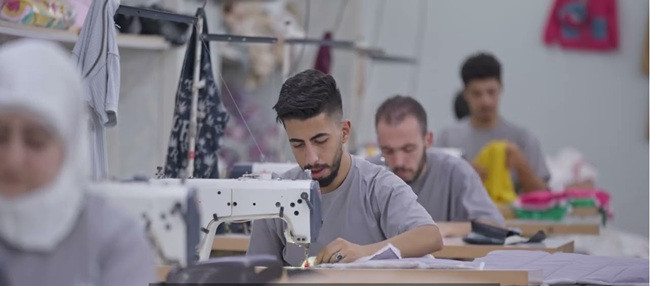
Aleppo, Syria, July 25, 2026 — After more than a decade of war and disruption, Syria is making a fresh push to rebuild its textile and apparel industry. At the center of that effort is Nas Tex 2026, where more than 300 companies from around 20 countries gathered to explore investment, machinery, and business opportunities. The exhibition signals the country's ambition to restore one of its most important manufacturing sectors. 🌍
🏭 For Bangladesh exporters and global textile buyers, Syria's re-emergence represents both an opportunity (a new sourcing destination) and a potential competitive consideration (a Middle East textile producer with geographic advantages for European and Gulf markets).
📜 Pre-War Syria — A Major Textile Producer
Before the war began in 2011, Syria was a major textile producer in the Middle East. The country supplied garments and fabrics to Arab and European markets, supported by:
- 🌾 High-quality cotton — Syrian cotton was renowned for its fibre quality
- 👥 Skilled workers — Generations of textile craftsmanship
- 💰 Competitive production costs — Lower labour costs than regional rivals
- 🌍 Strategic location — Faster shipping to Gulf and European markets than many Asian suppliers
📉 However, years of conflict damaged factories, reduced cotton production, and forced many manufacturers and textile professionals to relocate to countries such as Turkey and Egypt. The textile sector — once a cornerstone of Syria's economy — was devastated.
🏭 Nas Tex 2026 — A Turning Point
Nas Tex 2026, held in July 2026, brought together more than 300 companies from approximately 20 countries. The exhibition showcased:
- 🔧 Machinery and equipment — Latest textile manufacturing technology
- 🤝 Investment opportunities — Joint ventures and greenfield projects
- 📦 Business matchmaking — Connecting Syrian manufacturers with international buyers
- 📚 Technology transfer — Modernising Syria's aging production base
🎯 Industry leaders believe the sector has an opportunity to recover, driven by Syria's strategic location which allows faster and less expensive shipping to Gulf and European markets than many Asian suppliers.
🇨🇳 Chinese Investment Returns — Suzhou Land Group Deal
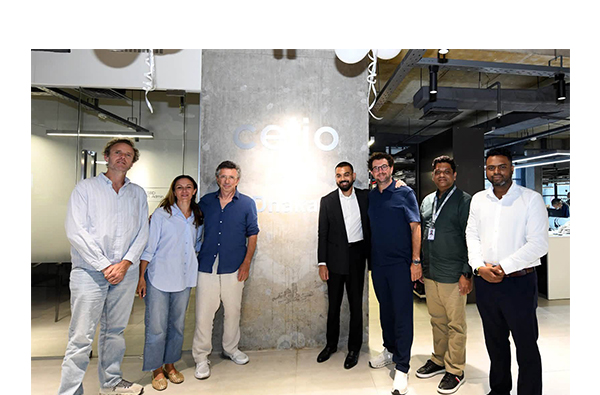
Investment is beginning to return to Syria's textile sector. According to Euronews, the Syrian-Chinese Business Council has signed an agreement with China's Suzhou Land Group to support the development of Sheikh Najjar Industrial City in Aleppo. 🤝
📋 The partnership includes:
- 🏭 Industrial zone development — New manufacturing facilities
- 🎓 Worker training center — Building local skills and capacity
- 💰 Chinese capital investment — Helping finance the rebuild
- 🔧 Technology transfer — Modern Chinese textile machinery and processes
👥 Industry representatives say Syrian investors who previously moved production to Egypt and Turkey have already started returning, bringing capital, expertise, and market connections back home.
📊 Syria's Textile Sector by the Numbers
Official data paint a picture of a sector with massive potential but significant underutilisation:
- 🏭 24,000+ textile establishments in 2024
- 📊 19% of Syria's industrial facilities are textile-related
- ⚙️ Only 56.8% currently operating — More than 10,000 factories still inactive
- 🌾 Cotton production target: 300,000-400,000 tonnes annually (with investment)
🏛️ Government Priority — Three Industrial Zones
The Syrian government is prioritising industrial development in three key zones:
- 🏭 Sheikh Najjar (Aleppo) — Historical textile hub, now being rebuilt with Chinese investment
- 🏭 Adra (Damascus countryside) — Strategic location near the capital
- 🏭 Hassia (Homs) — Central location for nationwide distribution
💬 Nidal al-Shaar, Syria's Minister of Economy and Industry, said annual cotton output could recover to 300,000-400,000 tonnes if investment increases and idle factories return to operation.
⚠️ Challenges Ahead
Despite growing optimism, several challenges remain for Syria's textile recovery:
- 🧶 Reliance on imported yarn — Limited domestic supply forces manufacturers to import
- ⛽ High fuel costs — Energy infrastructure still damaged from the conflict
- 🔧 Outdated equipment — Many factories need full modernisation
- 📦 Relatively small local market — Limited domestic demand constrains production scale
- 🌍 Need for export expansion — Essential for sustainable recovery
- 📜 International sanctions easing — Slowly improving but still a constraint
🌐 Geopolitical Context — Sanctions Easing
The industry's recovery has been supported by the easing of international economic restrictions. While Syria still faces significant infrastructure and production challenges, the gradual normalisation of trade relations is opening doors for:
- 💰 Foreign investment — Capital flowing back into the sector
- 🌍 Export market access — Syrian textiles can again reach global buyers
- 🔧 Technology imports — Modern machinery available for factory upgrades
- 🤝 International partnerships — Joint ventures with foreign companies
🔍 What This Means for Global Textile Trade
Syria's textile comeback, while still in early stages, could have significant implications for global textile trade patterns:
🌍 For European Buyers
- 📦 New sourcing destination — Closer to Europe than Asian suppliers
- 💰 Potentially lower logistics costs — Faster shipping, lower freight
- 🌱 Cotton quality — Syrian cotton historically commanded premium prices
🏭 For Bangladeshi Exporters
- 🤝 Partnership opportunities — Syrian mills may need Bangladeshi technical expertise
- 📦 Competitive consideration — Syria could compete in European markets where Bangladesh has share
- 🔧 Machinery export opportunity — Bangladesh's growing textile engineering sector could supply Syria
🌐 For Regional Competitors
- 🇹🇷 Turkey — May face competition in European markets
- 🇪🇬 Egypt — Could see some investment redirect to Syria
- 🇨🇳 China — Already positioning as a key investor in Syria's rebuild
🎯 Outlook — Cautious Optimism
Nas Tex 2026 has highlighted growing confidence that Syria's textile industry could gradually return to regional and international markets if investment, exports, and manufacturing capacity continue to recover. 📈
The road ahead is long — rebuilding 10,000+ inactive factories will take years, not months. But with Chinese investment returning, Syrian diaspora capital flowing back, and international sanctions easing, the foundations for a textile revival are finally being laid.
For Bangladesh's textile industry, Syria's recovery is a reminder that the global textile map is not static. New competitors can emerge from unexpected places — and the competitive landscape that Bangladesh faces today may look very different in five years. Continuous investment in efficiency, sustainability, and innovation remains the only sustainable strategy. 🚀
This news was originally published by Textile Today. For the full original report, please visit: https://textiletoday.com.bd/syrias-textile-industry-eyes-a-comeback-as-factories-reopen-and-investors-return
📬 Get Bangladesh Trade News in your inbox
Weekly digest of export industry news, policy updates, and market analysis.
📰 Related Stories