PM Tarique Rahman Orders Reopening and Privatisation of Closed State-Run Factories by 2026
Prime Minister directs authorities to complete process of reopening long-closed state-owned industrial units, accelerate privatisation, and attract private investment by end of current calendar year
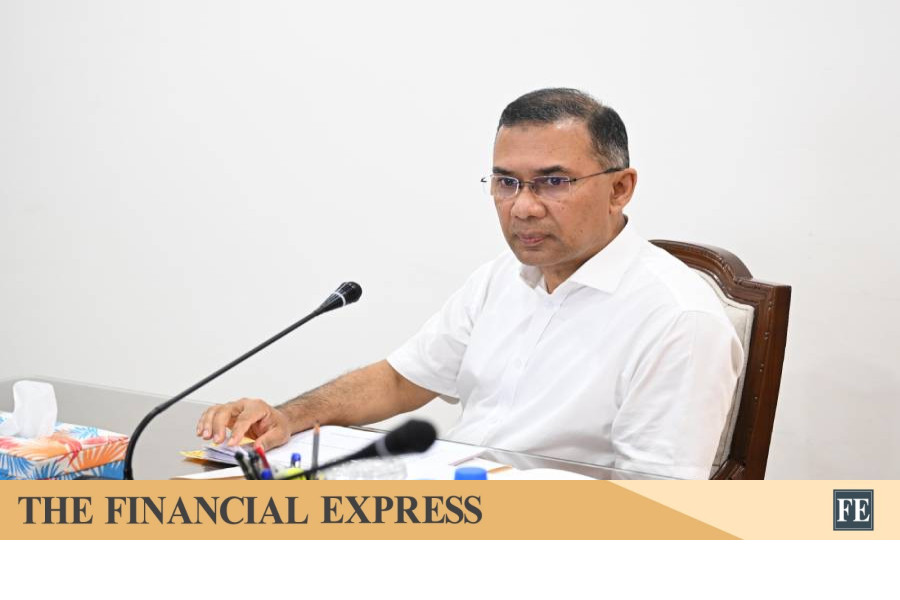
Dhaka, July 30, 2026 — Prime Minister Tarique Rahman has directed the authorities concerned to complete the process of reopening long-closed state-owned industrial units, accelerating their privatisation, and attracting private investment by the current calendar year. 🏭 The directive came at a high-level meeting chaired by the Prime Minister at the Cabinet Division conference room in the Bangladesh Secretariat on Thursday afternoon, according to the Prime Minister's Press Wing. 📋
🏛️ The meeting reviewed measures to revive long-closed state-owned industrial establishments by removing bureaucratic hurdles, speeding up administrative processes, and attracting domestic and foreign private investment to resume production. The Prime Minister directed the authorities to complete the process by the current calendar year — an ambitious timeline that signals the government's urgency. ⏱️
👥 High-Level Attendees
📋 The meeting was attended by senior government officials, reflecting the importance of the directive:
- 💰 Rashed Al Mahmud Titumir — Prime Minister's Finance and Planning Adviser
- 🤝 Khandakar Abdul Muktadir — Commerce, Industries, and Textiles and Jute Minister
- 🧵 Md Shariful Alam — State Minister for Textiles and Jute
- 📊 Ashik Chowdhury — Executive Chairman, Bangladesh Investment Development Authority (BIDA)
- 🏛️ Senior officials — from relevant ministries and agencies
🤝 The presence of both the Finance Adviser and the Commerce/Industries Minister underscores the cross-ministerial nature of the state-owned enterprise reform effort. The BIDA Chairman's attendance signals the government's intent to attract private investment — both domestic and foreign — to revive the closed factories. 📊
🏭 Context: Bangladesh's State-Owned Industrial Units
📋 Bangladesh has a significant number of state-owned industrial units that have been closed or operating below capacity for years. These include factories across multiple sectors:
- 🧵 Textile mills — several state-owned textile factories have been non-operational
- 🪢 Jute mills — historically important sector with many closed state units
- 🧪 Chemical industries — state-owned chemical factories needing revival
- 🔧 Engineering industries — state manufacturing units
- 🏭 Other industrial units — across various sectors
📊 The closure of these state-owned factories has had significant economic impacts:
- 👥 Job losses — thousands of workers lost employment when factories closed
- 💰 Economic loss — idle industrial assets represent wasted economic potential
- 📦 Production gap — domestic production capacity reduced
- 📈 Import dependence — some products previously made domestically now imported
🔧 Government Strategy: Three-Pronged Approach
📋 The Prime Minister's directive outlines a three-pronged strategy for reviving state-owned industrial units:
1️⃣ Reopening Closed Factories
- 🔧 Remove bureaucratic hurdles — streamline administrative processes
- ⚡ Speed up processes — accelerate reopening approvals
- 🏭 Resume production — restart manufacturing at viable units
2️⃣ Accelerating Privatisation
- 💰 Private sector participation — transfer ownership to private investors
- 📊 Investment attraction — bring in capital for modernization
- 🔧 Operational efficiency — private management for better performance
3️⃣ Attracting Private Investment
- 💸 Domestic investment — encourage local entrepreneurs
- 🌍 Foreign investment — attract FDI for industrial revival
- 🤝 Investment-friendly environment — create conducive conditions
📊 The agencies concerned were also directed to take effective steps to create a more investment-friendly environment. This aligns with the government's broader economic reform agenda and the BUILD recommendations for regulatory streamlining. 📋
📈 Strategic Significance for Bangladesh's Economy
🌐 The revival of state-owned industrial units has several strategic benefits:
- 👥 Employment generation — thousands of new jobs in revived factories
- 💰 Economic growth — productive use of idle industrial assets
- 📦 Production capacity — increased domestic manufacturing
- 📉 Import substitution — reduce dependence on imports
- 📈 Export potential — some revived units could contribute to exports
- 🏭 Industrial diversification — broaden the industrial base beyond RMG
🔗 Connection to Broader Reform Agenda
📋 The PM's directive aligns with several ongoing government initiatives:
- 🏗️ BanglaBiz portal — single digital platform for investor services (Tk 661 crore project)
- 📋 Regulatory streamlining — BUILD's recommendations to reduce 31 licences and 650 days
- 💰 BIDA investment facilitation — under Executive Chairman Ashik Chowdhury
- 🏭 BEZA economic zones — 100 economic zones being developed
- 📊 State-owned enterprise reform — broader SOE governance improvements
⏱️ Timeline Challenge: Completion by 2026
📅 The Prime Minister's directive to complete the process by the current calendar year (2026) is ambitious:
- ⏱️ 6 months remaining — limited time for complex privatisation processes
- 📋 Multiple stakeholders — coordination across ministries and agencies
- 💰 Investor due diligence — private investors need time for assessment
- ⚖️ Legal processes — privatisation involves legal and regulatory procedures
- 👥 Worker arrangements — addressing employment concerns of existing workers
⚠️ While the timeline is challenging, the directive signals the government's strong political will to accelerate reform. The involvement of senior officials and the clear deadline suggest this is a priority initiative that will receive high-level attention. 📊
🔮 Looking Ahead: Implementation and Impact
📈 If successfully implemented, the revival of state-owned industrial units could have a transformative impact on Bangladesh's industrial landscape:
- 🏭 Industrial capacity — significant addition to manufacturing capacity
- 👥 Job creation — employment for thousands of workers
- 💰 Investment inflow — private capital for industrial modernization
- 📊 Economic efficiency — productive use of idle state assets
- 🌍 FDI attraction — signal to foreign investors about reform commitment
🌐 The coming months will be critical for implementation. The government's ability to meet the 2026 deadline will depend on inter-agency coordination, investor interest, and administrative efficiency. For Bangladesh's export economy, successful revival of these industrial units could contribute to export diversification and economic resilience as the country prepares for LDC graduation. 🚀
This news was originally published by The Financial Express. For the full original report, please visit: https://thefinancialexpress.com.bd/national/pm-orders-completion-of-reopening-privatisation-of-closed-state-run-factories-by-2026
Related on BangladeshExport
📬 Get Bangladesh Trade News in your inbox
Weekly digest of export industry news, policy updates, and market analysis.
📰 Related Stories