Bangladesh Gas Supply Improves to 2,445 mmcfd as Both FSRUs Resume Operations
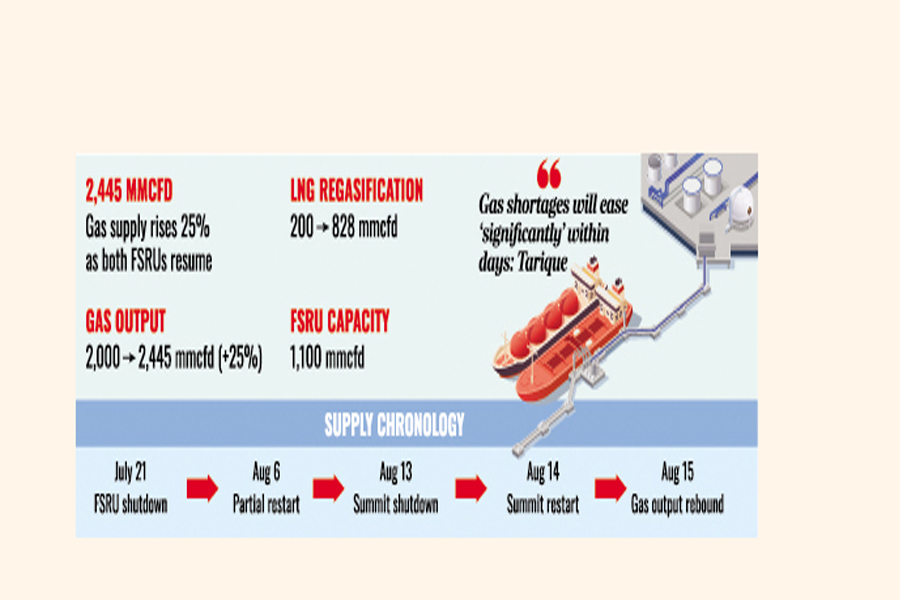
Dhaka, August 17, 2026 — Overall natural gas output increased from the early hours of Saturday with the resumption of operation of both floating storage and regasification units (FSRUs) — in a major boost to industries, power plants, households, and other gas-guzzling consumers across Bangladesh. According to state-run Petrobangla, total gas output on Saturday rose to around 2,445 million cubic feet per day (mmcfd), approximately 25 percent higher than the previous day's output of around 2,000 mmcfd.
📊 The Gas Supply Recovery Numbers
The gas supply improvement is significant in both absolute and percentage terms:
- 📈 2,445 mmcfd — total gas output on Saturday (up from ~2,000 mmcfd)
- 📈 25% increase — day-on-day improvement
- 📈 828 mmcfd — LNG re-gasification (up from ~200 mmcfd on Thursday)
- 📉 1,615 mmcfd — local gas field production
- 📉 190 mmcfd — LNG re-gasification low point on August 14
- 📊 1,100 mmcfd — total FSRU capacity from two units
LNG re-gasification ramped up to around 828 mmcfd — from Thursday's approximately 200 mmcfd — to replenish the flow in the national gas grid. Natural gas production from local gas fields stood at around 1,615 mmcfd, according to Petrobangla spokesperson Tariqul Islam Khan.
🚢 Both FSRUs Operational
The recovery was driven by the resumption of both FSRUs:
- 🚢 Summit LNG FSRU — resumed operation Friday evening after 25-hour disruption
- 🚢 US company FSRU — resumed partial operations on August 6
- 📅 July 21 — initial FSRU closure that triggered the energy crisis
- 📅 August 13-14 — Summit FSRU disruption due to cargo berthing failure
🚧 The Summit FSRU Disruption: What Happened
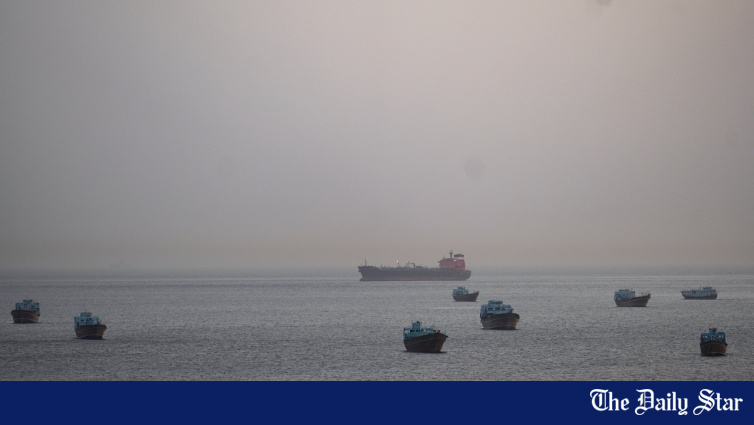
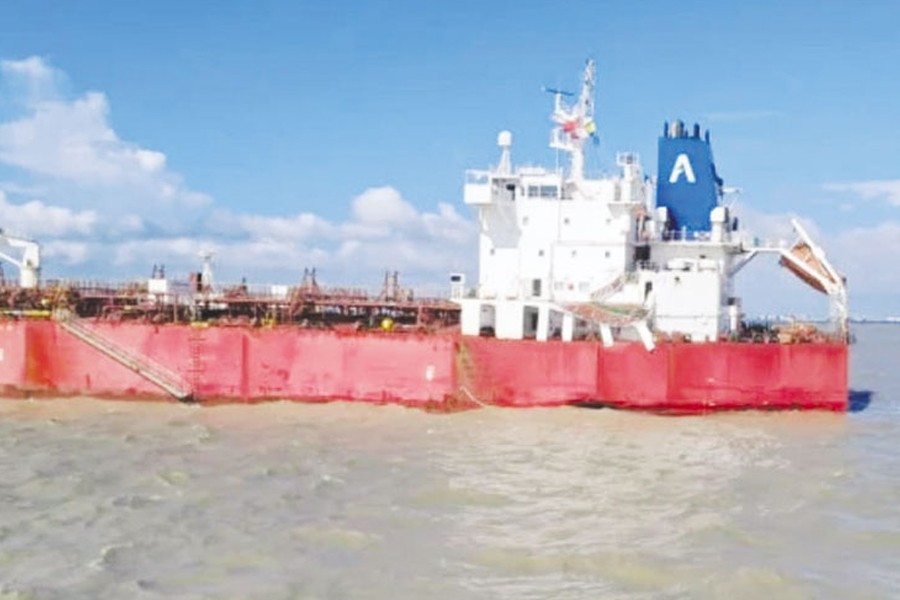
Summit's FSRU came to a grinding halt around 5:00pm on August 13 as the scheduled LNG cargo from Aramco Trading Singapore Pte Ltd could not berth and deliver LNG to the terminal for conversion. Key details:
- 🚢 Al Hamra — MOSS-type LNG vessel, built in 1997
- 💰 72,990 mt deadweight — vessel capacity
- 📊 3.36 million MMBTu — LNG cargo volume
- 🌊 Rough seas — prevented berthing due to safety concerns
- 🚧 FSRU operator objection — on safety grounds
- 📅 August 12 — vessel entered Bay of Bengal
- 📅 August 14, 6:10pm — Summit resumed supply at ~110 mmcfd
🏛️ PM Tarique Rahman: Crisis Will Ease Within Days
Prime Minister Tarique Rahman has promised that Bangladesh's gas crisis will “significantly ease within a few days.” Speaking at a discussion in Dhaka on Saturday, the premier apologised for the hardship caused by the fuel shortage:
“People across Bangladesh, especially in metropolitan areas, cities and district towns, have been suffering from power shortages. I know people in different areas are facing gas shortages too — CNG, LPG and different other forms of gas.”
The PM blamed the ousted Awami League government for the structural energy deficit: “We have to import a large portion of our valuable gas. The 15-year 'fascist' government built only two storage facilities for gas brought in by ships. Even those were built in a way that benefited their people.”
He said one of the two floating vessels had suffered a sudden accident, triggering the crisis: “The technical problems have already been fixed. I hope the situation will improve significantly within the next few days.”
🌐 Strategic Context: Energy Crisis Timeline
The gas supply recovery follows a prolonged energy crisis that has affected Bangladesh's industrial and export sectors:
- 📅 July 21 — US company FSRU abrupt closure, triggering energy shortages
- 📅 August 6 — US FSRU resumed partial operations
- 📅 August 13-14 — Summit FSRU disrupted (25+ hours) due to cargo berthing failure
- 📅 August 14 evening — Summit resumed supply at 110 mmcfd
- 📅 August 15-16 — Summit ramped up to 550 mmcfd, then both FSRUs operational
- 📅 August 16 (Saturday) — total gas output reached 2,445 mmcfd
📊 What This Means for Industry and Exports
The gas supply recovery to 2,445 mmcfd provides significant relief for Bangladesh's industrial and export sectors:
- 🏭 Factory production resumption — factories that halted can restart operations
- 💰 Cost reduction — less reliance on costly diesel alternative
- ⚡ Power generation — gas-fired power plants can increase output
- 🌾 Agriculture — fertiliser production and irrigation support
- 👥 Households — cooking gas pressure improvement for urban kitchens
- 👕 RMG sector — captive power and machinery gas supply restored
However, with total demand exceeding 3,000 mmcfd against current supply of 2,445 mmcfd, a supply gap of approximately 550+ mmcfd remains — meaning the crisis is eased but not fully resolved. Finance Minister Amir Khosru has warned that full resolution will take at least two years, requiring new floating LNG terminal construction and domestic gas exploration resumption. The current recovery — while welcome — represents a return to the pre-July 21 baseline, not an expansion beyond existing capacity constraints.
This news was originally published by The Financial Express. For the full original report, please visit: https://thefinancialexpress.com.bd/economy/some-relief-for-businesses-as-total-gas-supply-improves
Related on BangladeshExport
📬 Get Bangladesh Trade News in your inbox
Weekly digest of export industry news, policy updates, and market analysis.
📰 Related Stories